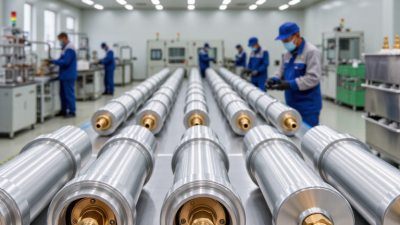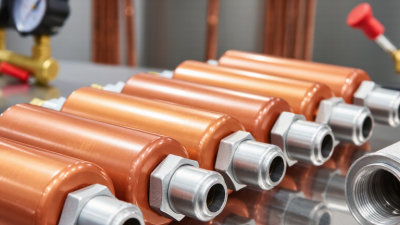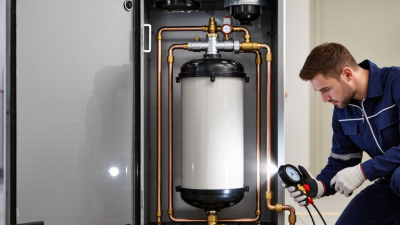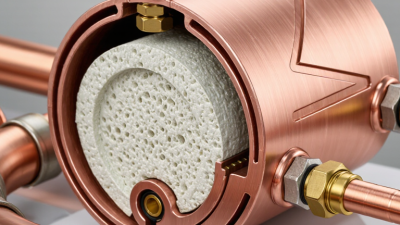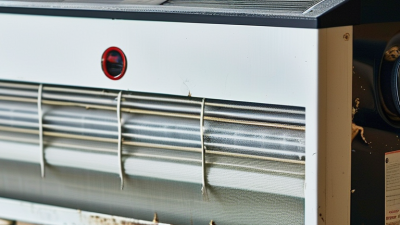


A Heat Pump Filter Drier is a small component with an important job: helping protect the refrigerant circuit from moisture, acid, and solid contaminants. Inside its sealed shell, desiccant captures moisture while filtering material that could obstruct narrow passages or damage components. In a heat pump, refrigerant changes direction between heating and cooling. That makes correct drier selection and installation especially important.
Refrigeration educator John Tomczyk has taught widely on refrigeration systems. A practical summary of the principle in his field is: “Clean, dry refrigerant helps protect the entire system.” This is a paraphrase, not a verbatim quotation. The point is simple. Even a small amount of moisture can contribute to ice at a restriction, while debris may interfere with valves and metering devices.
Small part. Real consequences.
Many heat pumps use a bi-flow filter drier designed to accommodate refrigerant moving in either direction. The exact configuration depends on the equipment design, refrigerant, and manufacturer’s specifications; not every system uses the same arrangement. Technicians typically consider the drier’s capacity, connections, and compatibility before replacing it. They also address the cause of contamination, rather than treating the drier as a cure-all. That distinction matters. A new component cannot undo every effect of a poorly sealed or previously contaminated system. This guide explains what a Heat Pump Filter Drier does, how its internal materials work, and what to consider when diagnosing or replacing one. Some details can seem less tidy in practice than they do in diagrams, so system-specific service information remains essential.
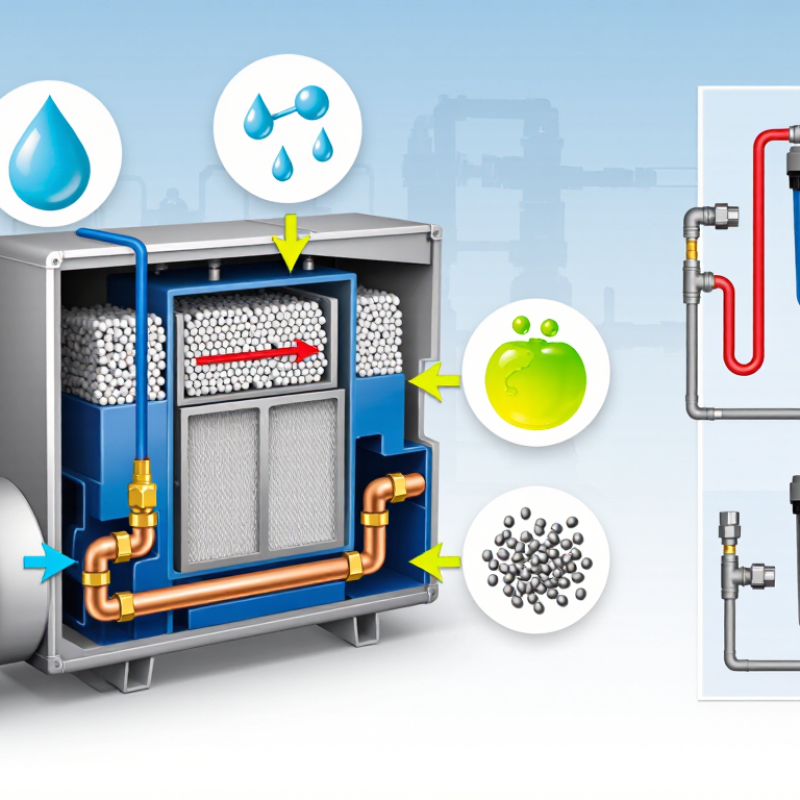
A heat-pump filter drier is a sealed component that traps particles and uses desiccant to capture moisture in the refrigerant circuit. It commonly sits in the liquid line, downstream of a heat exchanger acting as the condenser and upstream of the metering device. Its exact position depends on the system’s piping design. The component is small, but contamination or moisture can interfere with reliable operation.
Unlike a cooling-only system, a heat pump reverses refrigerant flow between heating and cooling modes. Some designs therefore use a bidirectional filter drier; others use a different arrangement, such as separate driers and check valves. Follow the equipment’s piping diagram rather than assuming every unit is arranged the same way. The U.S. Department of Energy says heat pumps can reduce heating electricity use by about 50% compared with electric resistance heating. That figure describes heat-pump performance, not filter-drier performance, but it shows why keeping the refrigerant circuit in sound condition matters.
Tips: Check the unit schematic before identifying the drier or replacing it. Keep replacement parts sealed until installation; a drier exposed to air can absorb moisture before it enters the circuit. Small detail. Easy to overlook. Even experienced technicians can misread a reversing circuit, so confirm flow paths in both operating modes.
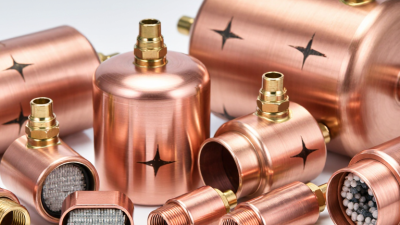
A heat pump filter drier protects the refrigerant circuit by trapping moisture, acids, and solid particles. Moisture is especially troublesome: it can freeze at a narrow expansion device, restricting refrigerant flow, and may contribute to corrosion or chemical breakdown. The desiccant inside the sealed shell adsorbs water as refrigerant passes through. AHRI Standard 700 sets a moisture limit of 10 parts per million by mass for several refrigerants, including R-410A. That is a very small allowance. A filter drier helps control moisture, but it cannot compensate for poor evacuation or a leak that keeps introducing damp air.
Acids can form when refrigerant and lubricating oil degrade under heat or contamination. A compatible drier may capture some acids, reducing the chance they circulate toward the compressor windings and metal surfaces. Its inlet screen also catches particles such as copper flakes, brazing residue, and oxide scale. The outlet screen helps keep drier material from moving downstream. In service, a technician may check pressure drop, temperature, and contamination indicators; a plugged drier can become a restriction. It is not a cure-all. Even careful work can leave residue behind, so inspection and proper cleanup matter. AHRI’s purity limits describe refrigerant quality, not a guarantee that every installed system is clean.
| Contaminant | How It Enters or Forms | How the Filter Drier Helps | Why It Matters | Important Limitation |
|---|---|---|---|---|
| Moisture | Can remain in a system after service if evacuation is incomplete, or enter through leaks, open tubing, or moisture-contaminated components. | Desiccant inside the drier adsorbs water molecules from circulating refrigerant. Molecular sieve is commonly used for this purpose. | Water can freeze at a restriction, interfere with expansion-device operation, and contribute to corrosion or chemical reactions in the system. | A filter drier is not a substitute for leak repair, proper evacuation, or correct installation practices. Its moisture capacity is finite. |
| Acids | May form when moisture and contaminants contribute to refrigerant or lubricant breakdown, particularly under abnormal high-temperature conditions. | Some desiccant materials can adsorb certain acids, depending on the drier’s construction and the refrigerant and lubricant involved. | Acidic contamination can contribute to corrosion and damage to motor windings, metals, and other internal components. | Acid-removal performance varies. A drier cannot reverse existing damage or correct the cause of contamination; severe burnout may require a specified cleanup procedure. |
| Particles and debris | Can come from installation debris, corrosion, wear, degraded materials, or residue left after component failure. | A screen or porous filter element retains particles as refrigerant flows through the drier, helping limit debris migration. | Particles can obstruct narrow passages, including expansion devices, and may interfere with reliable refrigerant flow. | Particle retention depends on the drier’s design and condition. A loaded or damaged drier can restrict flow and should be addressed according to service guidance. |
| How it works in a heat pump | A heat pump changes refrigerant-flow direction between heating and cooling modes. | A bi-flow filter drier is designed to provide filtration and drying with flow in either direction. Some systems instead use separate or differently arranged components. | Suitable drier design helps protect the refrigerant circuit and metering components in both operating modes. | Use only a drier specified for the system’s refrigerant, lubricant, pressure, and flow arrangement. Not every filter drier is bi-flow. |
| Service and replacement | Desiccant can become saturated, and the filter element can collect debris over time or after a system failure. | Replacing the drier when required restores available drying and filtration capacity; installation should follow the equipment and component instructions. | Correct service helps reduce the risk of recurring contamination and restrictions. | A filter drier does not remove air or other non-condensable gases. Diagnose the underlying issue and follow proper recovery, evacuation, and charging procedures. |
Note: Filter-drier construction and contaminant-removal capability vary by application. Always follow the heat pump manufacturer’s service instructions and use a compatible component.
A heat-pump filter drier protects the refrigerant circuit by trapping particles and removing moisture. Its molecular sieve contains tiny openings, about 3 Å wide. Water molecules, with an approximate kinetic diameter of 2.8 Å, can enter these pores and cling to their internal surfaces. Larger refrigerant molecules are generally excluded. This is adsorption: water collects on a solid surface rather than soaking into it. Small pores, precise work.
The selectivity matters because moisture can contribute to ice formation at restrictions and support damaging reactions inside a system. The ASHRAE Handbook—Refrigeration discusses moisture control as a key role of refrigerant-system driers. AHRI Standard 700-2023 sets refrigerant-specific water limits, including 10 parts per million by mass for several refrigerants. A fresh drier helps maintain very low moisture levels, but it cannot correct a leak or careless installation. That distinction is easy to overlook.
In practice, technicians select a drier for the refrigerant, system capacity, and expected moisture load, then replace it after the sealed circuit has been opened. The sieve’s useful capacity is finite. Heat, contamination, and prolonged exposure to humid air can reduce its remaining capacity before installation. A filter drier is not a magic cartridge. It is a small safeguard, and correct evacuation and dry handling still matter.
Approximate molecular diameters compared with a nominal 3 Å pore opening
Water molecules are small enough to enter the sieve’s pores, where the polar surface attracts and adsorbs them. Refrigerant molecules such as R-134a are generally larger than the nominal pore opening, so they are largely excluded. Values are approximate; molecular-size estimates vary with the measurement model.
AHRI 710 gives technicians a consistent way to compare filter-driers under defined test conditions. Two measurements matter: moisture capacity and pressure drop. Moisture capacity indicates how much water a drier can retain before its outlet moisture reaches the specified limit. It is not simply the amount of water a component can hold in any operating system.
Pressure drop measures the resistance refrigerant encounters as it flows through the drier. A restricted path can reduce system performance, especially when flow is high. The rating helps compare candidates at stated test conditions, but it does not predict every installation. Refrigerant type, mass flow, temperature, and system cleanliness all affect real-world behavior. That distinction matters.
For a heat pump, a technician should check that the selected drier suits the equipment’s refrigerant and operating requirements. In systems with changing flow direction, confirm that the component is designed for that arrangement. Small details count. AHRI 710 ratings support an informed comparison, not a substitute for installation guidance or service measurements. I would not treat a higher moisture-capacity figure as automatically better; pressure drop and the application matter too.
A heat pump filter drier should be replaced when service work exposes the refrigerant circuit to air or contamination. For example, a technician may replace it after repairing a leaking coil, changing a compressor, or opening sealed tubing. Moisture can react with refrigerant and oil, while debris may restrict flow. The drier helps capture both. It is not a seasonal air filter.
Other warning signs deserve investigation. A persistent pressure drop across the drier, unusual temperature differences at its inlet and outlet, or evidence of acid after a compressor failure may point to a problem. Symptoms alone do not prove the drier is clogged; incorrect airflow or another restriction can look similar. Measurements matter. So does the repair history.
Replacement is generally appropriate when the sealed circuit has been opened, especially if the old drier has been exposed for an extended period. A qualified technician should use the correct component, protect tubing during brazing, and flow dry nitrogen to limit internal oxidation. The system then needs proper evacuation and leak checks before charging. Small details count. I have seen repairs rushed at this stage, and the new part cannot compensate for moisture left elsewhere in the circuit.