

Air conditioning demand is rising, and the small components inside each system matter. The International Energy Agency’s 2018 Future of Cooling report projects that global energy demand for space cooling could more than triple by 2050, reaching about 6,200 terawatt-hours annually. That outlook makes dependable components—and careful supplier selection—more important for manufacturers, installers, and maintenance teams.
An Air Conditioner Filter Drier removes moisture, particles, and other contaminants from the refrigerant circuit. A poorly made unit can restrict flow or allow contamination to threaten the compressor. Small part. Real consequences. Buyers comparing China-based suppliers should examine technical specifications, production controls, material traceability, and test documentation, rather than relying on price or polished catalog images alone. Ask how the supplier verifies sealing, drying capacity, and consistency between batches. Details matter.
The IEA report provides useful context, but it does not assess filter-drier suppliers. No source material was provided to verify a direct quotation from an industry expert, so assigning one here would risk misleading readers. That limitation deserves attention. A credible comparison should rely on traceable evidence, including supplier records and independent product testing, before naming any company a top choice.
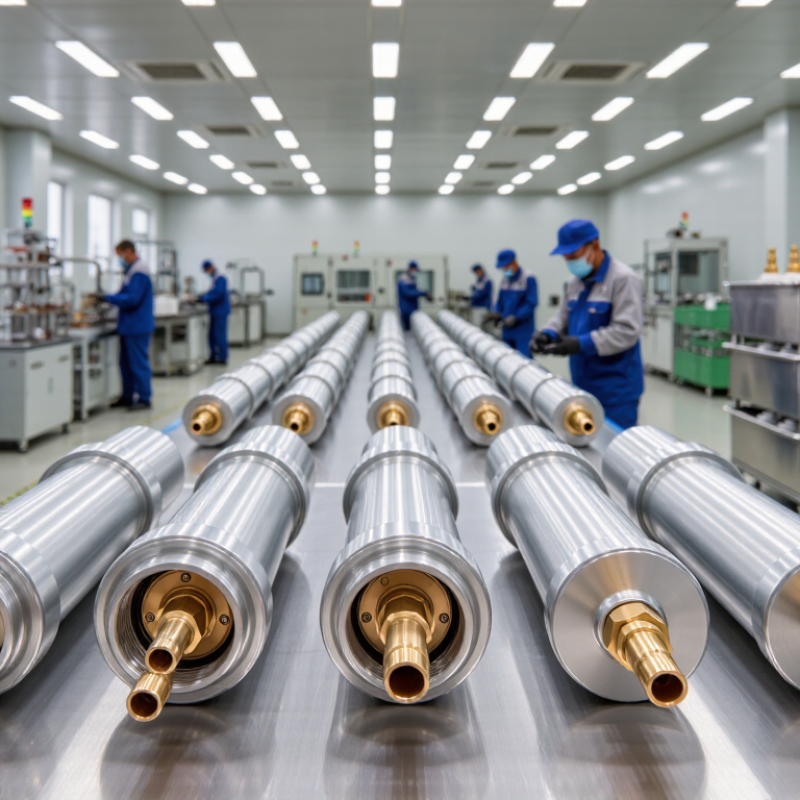
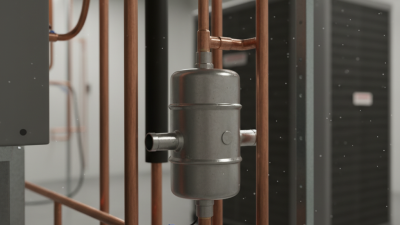
An air conditioner filter drier is a sealed component in the refrigerant line. Inside, a drying material captures moisture, while a filter screen traps particles such as metal debris. In many systems, it sits in the liquid line between the condenser and expansion device. Its job is quiet but important: moisture can freeze at a narrow restriction, while acids and contaminants may damage internal parts. It is not a substitute for clean installation or proper evacuation. Small component, serious duty.
The International Energy Agency’s 2018 report, The Future of Cooling, projects that global energy demand for space cooling could more than triple by 2050. That projection makes dependable air-conditioning operation increasingly relevant, though a filter drier alone cannot deliver efficiency gains. Technicians select one for the refrigerant, system capacity, and required moisture-removal performance. A drier that is too small may restrict flow; one left in service after a system burnout may fail to capture remaining contaminants. Even experienced installers can overlook replacement needs during hurried repairs.

Choosing a Chinese filter drier supplier requires more than comparing unit prices. The IEA’s The Future of Cooling report projects global space-cooling energy demand could more than triple by 2050. Reliable components will face stricter performance expectations. Ask for desiccant type, moisture capacity, pressure rating, refrigerant compatibility, and operating-temperature data. Request test records for every production batch, not only a polished sample.
AHRI Standard 700 defines refrigerant purity requirements, while ISO 9001 supports process control rather than product performance. This distinction matters. A certificate alone proves little. Review laboratory methods, calibration dates, leak-test results, and material traceability. Check whether copper shells, brazed joints, and connection sizes match your assembly drawings. Small dimensional errors can create installation delays.
In practical sourcing, I would inspect three samples from separate batches. Test pressure resistance, flow restriction, and moisture adsorption through an independent laboratory when the application is critical. Also examine production capacity, complaint response time, packaging, and replacement policy. A factory visit can reveal dusty storage areas or poorly labeled cartons. That evidence is uncomfortable, but useful. My checklist is not flawless. A supplier may pass a sample test and still miss delivery consistency. Ask for recent shipment records and customer references from comparable refrigeration applications. Price should remain a factor, but not the first filter.
China Top Air Conditioner Filter Drier Supplier?
A reliable filter drier starts with measurable specifications, not attractive packaging. Key data should include refrigerant compatibility, connection size, maximum working pressure, flow capacity, and pressure drop. AHRI Standard 710 provides recognized methods for rating liquid-line filter driers, including water and acid removal performance. Ask for test reports, not only catalog values.
A quality core should remove moisture without restricting refrigerant flow. Many suppliers publish water capacity in milligrams or grams of moisture, but test conditions can differ. Compare values at the same temperature and refrigerant condition. ISO 9001 certification may support process control, yet it does not prove every batch performs equally. Incoming inspection should check dimensions, brazed joints, shell integrity, and desiccant weight.
The need is growing. The International Energy Agency reports that space cooling demand could more than triple by 2050 without stronger efficiency measures. Small pressure losses can affect system efficiency over long operating periods. Request pressure-drop curves, burst-pressure evidence, corrosion checks, and lot traceability. A practical sample test should include vacuum holding and leak detection. One overlooked detail is packaging: moisture-proof sealing protects the desiccant before installation. Specifications can look perfect on paper. Field feedback may still reveal restrictions, damaged fittings, or inconsistent cores.
China Top Air Conditioner Filter Drier Supplier?
Manufacturing, Testing, and Certification Processes
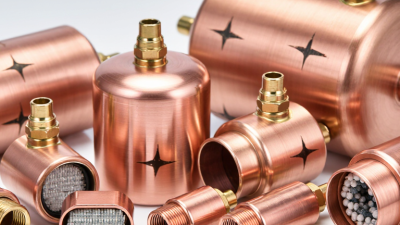
Air conditioner filter driers protect compressors by removing moisture, acids, and solid particles. Their quality begins with controlled copper tube forming, clean assembly, and carefully measured desiccant filling. Moisture exposure during production can reduce performance before installation. It is a quiet failure.
The International Energy Agency reported that space cooling used about 10% of global electricity in 2018. Its The Future of Cooling report also projected cooling electricity demand could more than triple by 2050 without stronger efficiency measures. Reliable filter driers therefore support longer system life and stable energy performance. Yet suppliers should not claim efficiency gains without test evidence.
A credible manufacturing process includes helium or nitrogen leak testing, pressure resistance checks, flow testing, and moisture-capacity verification. Test records should identify batch numbers, refrigerant compatibility, pressure ratings, and desiccant type. Samples can be tested under temperature cycles to expose weak joints and seal movement. Realistic testing matters.
Certification should match the target market and product design. Quality systems may follow ISO 9001, while pressure and refrigeration safety requirements can involve applicable ISO, EN, or national standards. Independent laboratory reports add reliability, but certificates alone are not enough. Some suppliers still provide incomplete test conditions, making comparisons difficult. Buyers should request calibration records, inspection plans, and traceable material documents before approval.
Typical ISO 9001 certification cycle intervals
A typical accredited ISO 9001 certification cycle spans three years, with surveillance audits at least annually and recertification at the end of the cycle. Certification applies to the supplier’s quality management system; it does not by itself certify a filter-drier product. Exact audit scheduling depends on the certification body.
Choosing a top air conditioner filter drier supplier in China requires more than comparing prices. The supplier must understand refrigerant circuits, pressure ratings, desiccant capacity, and connection standards. Ask for technical data before discussing large orders. Check the shell material, internal filter structure, and maximum working pressure. These details affect system protection and service life.
Request samples from the same production line used for regular orders. Test them under realistic conditions, including vibration, temperature changes, and pressure cycling. Reliable suppliers should provide inspection records, material certificates, and traceable batch information. Factory experience matters, but clear communication matters just as much. A delayed answer may signal future service problems. I have learned that attractive specifications are not enough. One overlooked thread tolerance can cause installation trouble.
Tips: Confirm compatible refrigerants and fittings. Review delivery times in writing. Ask how rejected units are handled. Visit the facility when possible, or request a live production inspection. Do not accept vague quality promises. A practical supplier will explain limitations openly, even when the answer is inconvenient. Also, compare warranty terms carefully. The lowest quotation may hide weaker testing, inconsistent dimensions, or limited technical support. Good selection is not perfect on paper; it is dependable in the field.
| Selection Dimension | What to Verify | Practical Guidance | Useful Supplier Evidence |
|---|---|---|---|
| Refrigerant and oil compatibility | Confirm that the drier materials and desiccant are suitable for the refrigerant and lubricant in the system. | Specify the exact refrigerant and oil type when requesting a quotation. Do not assume a product is suitable for every refrigerant, especially when changing refrigerants. | Technical datasheet listing compatible refrigerants, oils, materials, and operating limits. |
| Capacity and system size | Check the rated moisture-removal capacity and refrigerant-flow capacity for the intended application. | Select using the supplier’s rating data for the system refrigerant and specified test conditions, along with the system design load. Do not choose by connection size alone. | Published capacity tables, stated rating conditions, and application-selection support. |
| Pressure and temperature ratings | Compare the maximum allowable working pressure and temperature range with the system design conditions. | The product rating must meet the applicable system requirements and local regulations. Consider the system’s maximum pressure, not just its normal operating pressure. | Datasheet values, product markings, and relevant pressure-test or conformity documentation. |
| Construction and connection type | Check shell material, connection material, connection size, and whether the design is solder, flare, or another connection style. | Match the connection to the system piping and installation method. Confirm dimensions and installation orientation from the product drawing. | Dimensioned drawings, material specifications, and clearly identified connection options. |
| Desiccant and filtration design | Ask about desiccant type, moisture-removal performance, particle filtration, and intended application. | A filter drier should be selected for the system’s contamination and moisture-control needs. Confirm suitability for liquid-line or suction-line service as applicable. | Product construction details, application notes, and performance data where available. |
| Quality control and traceability | Review incoming-material checks, production inspection, leak testing, and lot identification practices. | Ask how finished products are inspected and how a delivered batch can be traced to production records. Agree on acceptance criteria before ordering. | Quality-management documentation, inspection records, sample reports, and batch-label examples. |
| Regulatory and market requirements | Determine which pressure-equipment, safety, or other product requirements apply in the destination market. | Requirements vary by product design and destination. Confirm the exact model and intended market are covered by any certificates or declarations provided. | Applicable certificates, declarations, test reports, and model-specific supporting documents. |
| Supply reliability and packaging | Confirm production lead time, order quantity, export packaging, and protection of connection ends from moisture and contamination. | Request written lead-time and packaging details. Verify that products remain sealed and clean during storage and transport. | Packaging specifications, sample labels, order terms, and a documented process for handling shipping damage or defects. |
| Technical support and communication | Assess response quality on sizing, compatibility, drawings, and product changes. | Provide system details early and assess whether answers are specific, consistent with published data, and documented in writing. | Named technical contact, clear quotation, current datasheets, and a documented change-notification process. |
Final selection should be based on the system design requirements, verified product documentation, and the regulations applicable in the destination market.