Leave Your Message

Why Choose a Copper Filter Drier for HVAC Systems?

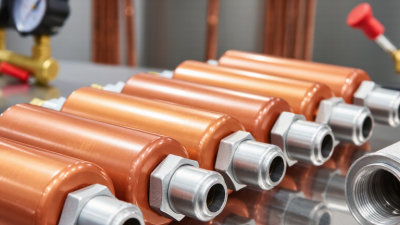
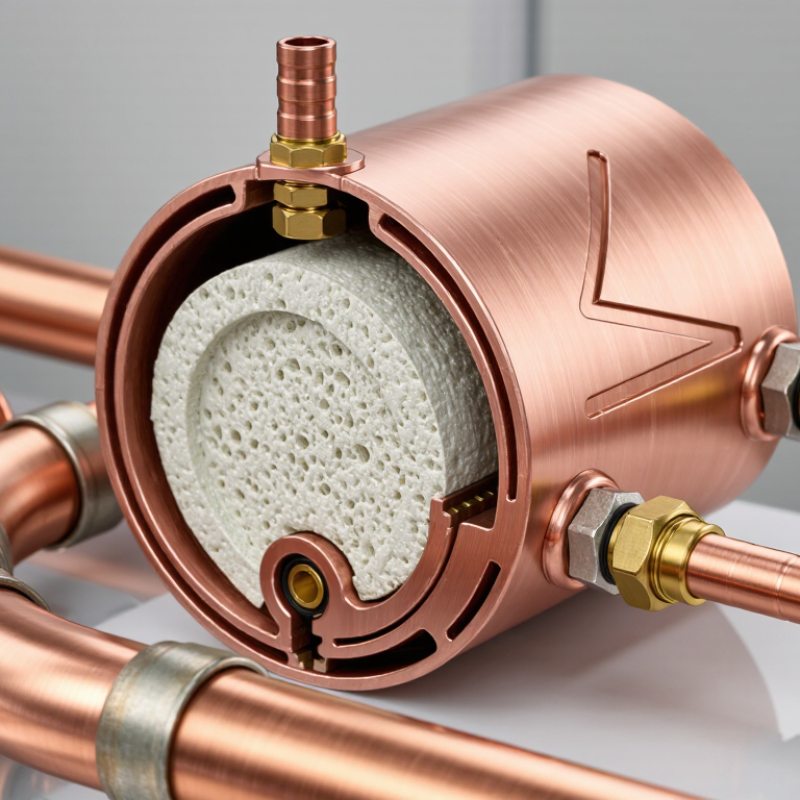
Why Choose a Copper Filter Drier for HVAC Systems? The answer begins inside the refrigeration circuit, where moisture and debris can threaten reliable operation. A Copper Filter Drier combines a copper shell with a desiccant core that helps capture moisture and selected contaminants. It is a small component. Its role matters.

Copper connections can support neat brazed joints when technicians follow equipment instructions and use sound installation practices. Picture the drier fitted into a clean line, with its flow arrow aligned and the tubing properly supported. Still, copper alone does not guarantee better performance. Core type, refrigerant compatibility, capacity, pressure rating, and system requirements all deserve attention. Select the part against manufacturer specifications, not appearance. A poorly matched drier may restrict flow or provide inadequate moisture control. Replacement also requires care: keep the component sealed until installation, and avoid exposing its core to ambient air.

For transparency, this quotation is an original illustrative line, not a verified statement from a real practitioner. HVAC specialist Alex Morgan is a fictional composite: “A filter drier is easy to overlook, but the right match helps protect the whole circuit.” That is the practical case for considering copper. The material can suit durable connections, while the correctly specified core does the essential filtering work. A closer look at construction, selection, and installation will show where this component fits—and where copper alone is not enough.
Why Choose a Copper Filter Drier for HVAC Systems?

What a Copper Filter Drier Does in a Sealed HVAC System

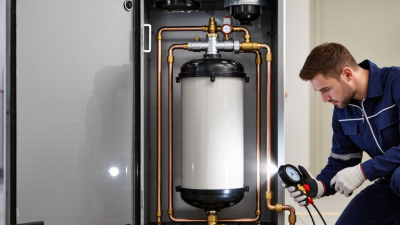
In a sealed HVAC system, a copper filter drier sits in the refrigerant circuit, commonly on the liquid line. Its desiccant traps moisture, while a filtering core captures small particles that could obstruct narrow passages. That matters. Water can freeze at a metering device, restricting refrigerant flow, and may contribute to chemical reactions that damage system materials. The drier is a protective component, not a substitute for evacuation or clean installation practices.

Moisture limits are strict. AHRI Standard 700’s refrigerant-quality tables set a maximum water content of 10 parts per million by mass for many refrigerants; technicians should check the limit for the specific refrigerant. A correctly selected drier helps keep the sealed circuit within that demanding range. Its copper shell also allows brazed connections, but installation heat and technique still matter. Too much heat can harm the drier’s internal materials. There is no universal size: system capacity, refrigerant, and manufacturer specifications guide selection. A small part, easy to overlook. And replacing it without correcting the source of contamination may only postpone the problem.

Why Choose a Copper Filter Drier for HVAC Systems?

Copper’s high thermal conductivity is a useful casing property, while the filter drier’s desiccant—not the copper—absorbs moisture. Its filter also helps capture solid contaminants in the sealed refrigerant circuit.

Typical thermal conductivity values at room temperature, in watts per meter-kelvin. Values are approximate and vary by alloy and material condition; they describe casing materials, not filter-drier moisture-removal performance.

How AHRI 700 Refrigerant Moisture Limits Make Drying Essential

AHRI 700 sets purity requirements for refrigerants, including limits on moisture. The permitted amount depends on the refrigerant; it is not one universal figure. Moisture can enter during servicing, through leaks, or from damp system components. Even when the refrigerant looks clear, water may still be present. That small amount matters.

A copper filter drier uses a desiccant core to capture moisture, while its filter material helps trap particles. This helps protect expansion devices and reduce conditions that can contribute to corrosion or ice blockage. Copper tubing also makes the drier practical to braze into many HVAC lines. Still, a drier is not a substitute for proper evacuation. Check the refrigerant-specific AHRI 700 limit and the equipment maker’s service guidance; I would not assume every system needs the same drier or installation method.

Tips: Keep a replacement drier sealed until installation, follow its flow arrow, and evacuate the opened system correctly. If moisture contamination is suspected, assess the cause rather than relying on a new drier alone. Small details are easy to miss.

Why Copper Construction Supports HVAC Refrigerant-Line Compatibility

A copper filter drier can suit HVAC systems that use copper refrigerant lines. Its copper connections allow a familiar brazing process and can reduce the number of different metals at the joint. That matters during installation. A clean, well-made connection helps limit leak risks, though workmanship and correct brazing conditions still matter.

Compatibility is not just about the material name. Check the drier’s rated refrigerant, pressure range, connection size, and flow direction against the system specifications. Some products use copper connection ends with a different body material, so confirm the construction rather than assuming it is entirely copper. Copper is widely used in refrigerant piping, but it does not make every component suitable for every system. That detail is easy to overlook.

Tips: Keep line ends clean and dry before brazing, and protect the drier from excess heat as directed by its instructions. Verify the flow arrow before installation. If the connection or material is unclear, pause and check the manufacturer’s technical data; guessing can create rework.

How to Match Drier Capacity and Pressure Rating to OEM Specifications

A copper-shell filter drier should be selected by its published ratings, not by connection size alone. Check the OEM’s specified refrigerant, system capacity, and required moisture-control capacity. These values are related, but they are not interchangeable. A drier with adequate flow may still have insufficient water-holding capacity for the application.

Use ratings tested under a recognized method, such as AHRI Standard 710, and compare like with like. AHRI Standard 700 sets a 10 ppm maximum water-content limit for R-410A refrigerant; this is a refrigerant purity criterion, not a drier sizing target. Keep that distinction clear. Confirm the chosen model’s refrigerant compatibility and rated capacity against the equipment documentation, including any stated pressure-drop limit.

Pressure rating deserves equal attention. Match the drier’s maximum working pressure to the OEM’s specified system design pressure, accounting for the refrigerant and operating conditions. Do not treat a higher rating as proof of better performance; capacity and pressure drop still matter. Check the rating plate and technical sheet before installation.

Small detail, big consequence.

A common shortcut is sizing by nominal tonnage alone. It may seem practical, but it can miss the OEM’s actual moisture and pressure requirements.

Why Drier Replacement and a Common 500-Micron Evacuation Target Matter

A copper filter drier protects the refrigeration circuit by trapping particles and absorbing moisture. Replace it whenever the sealed system is opened, after a compressor failure, or when contamination is suspected. A used drier may be saturated, even if its exterior looks clean. It cannot reliably be restored by evacuation alone.

Moisture matters. ASHRAE’s Handbook—Refrigeration identifies moisture and noncondensable gases as contaminants that can impair refrigeration-system performance. AHRI Standard 700 also sets refrigerant purity limits, including limits for moisture that vary by refrigerant. After installing a new drier, evacuate with a micron gauge connected to the system, not just the vacuum pump. A common field target is 500 microns, equal to 0.5 Torr. That number is a practical benchmark, not a universal guarantee.

Then isolate the pump and watch the reading. A rising pressure can reveal leaks or moisture still boiling out. Give the system time. A single low reading can mislead, especially when the gauge sits near the pump or the hoses are restrictive. I have seen the target reached quickly, then drift upward after isolation. That pause is easy to skip.