Leave Your Message

China Top Aircon Filter Drier Suppliers for Global Buyers

Choosing reliable Aircon Filter Drier suppliers in China requires more than comparing online prices. Global buyers must examine product quality, technical experience, communication, and after-sales support. A suitable supplier should understand refrigeration systems, air-conditioning maintenance, and the demands of international distribution.

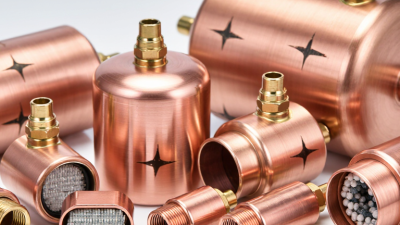
Quality begins with materials and production control. Ask whether the filter drier uses compatible desiccant, corrosion-resistant steel, and secure brazing connections. Product dimensions, refrigerant compatibility, pressure ratings, and flow capacity should be clearly documented. Factory photographs can help, but independent samples provide stronger evidence. A clean package, readable labeling, and consistent connection size often reveal practical manufacturing discipline.

Experience matters.

Established Chinese suppliers may support OEM packaging, multiple models, and stable export schedules. However, a long company history does not automatically guarantee dependable performance. Buyers should request test reports, inspection records, certifications, and customer references where appropriate. Clear answers are important. Vague promises are warning signs.

This guide reviews key factors for selecting China-based Aircon Filter Drier suppliers for global buyers. It considers manufacturing capability, product range, customization, quality assurance, logistics, and communication. It also recognizes an uncomfortable reality: even a promising supplier can make mistakes during a large order. Sample approval, written specifications, and pre-shipment inspection can reduce that risk. No sourcing process is perfect. Careful verification remains the most practical protection.
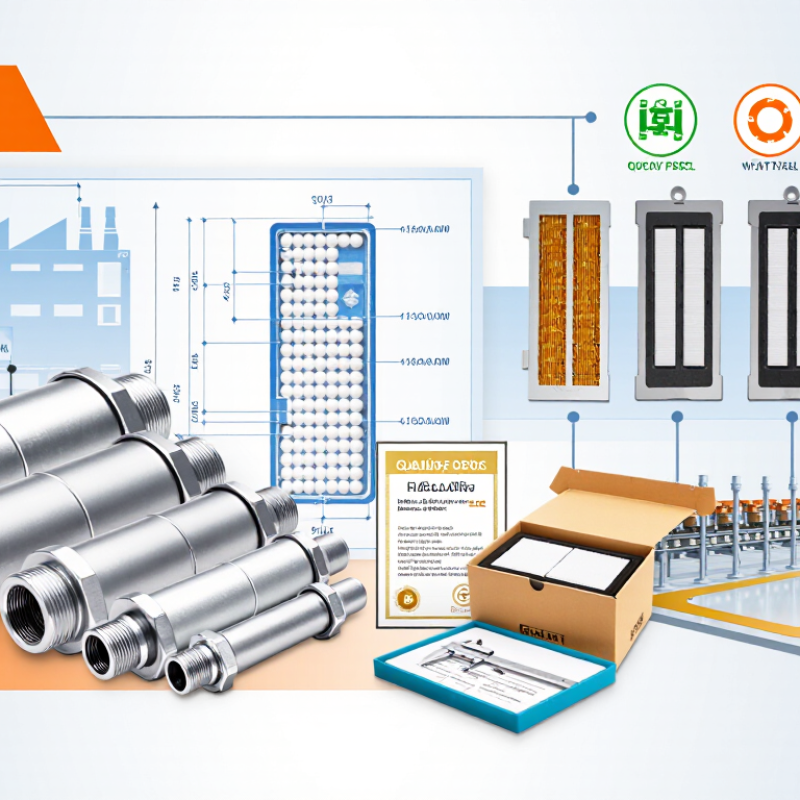
China Top Aircon Filter Drier Suppliers for Global Buyers

What Is an Air Conditioner Filter Drier and Why Does It Matter?

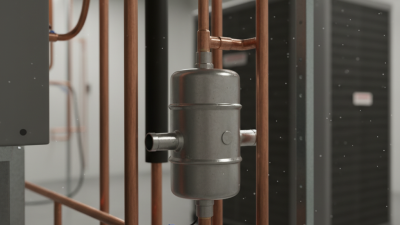
An air conditioner filter drier is a sealed component installed in the liquid line. It removes moisture, acids, and solid particles from circulating refrigerant. Its desiccant core protects the expansion device and compressor from blockage and chemical damage. Small part. Serious responsibility.

The IEA’s The Future of Cooling report estimates global space-cooling electricity use could reach 6,200 TWh annually by 2050, compared with 2,020 TWh in 2016. More cooling equipment means greater demand for reliable contamination control. ASHRAE guidance also emphasizes moisture removal, clean piping, and correct refrigerant circuit protection. A properly selected drier supports stable cooling and may reduce costly compressor failures.

For buyers evaluating Chinese suppliers, request capacity ratings, refrigerant compatibility, pressure-drop data, and batch traceability. Check the desiccant type, shell material, connection size, and maximum working pressure. Supplier certificates matter, but they are not enough. Installation direction matters too. The arrow must follow refrigerant flow. A drier exposed to air for too long can absorb moisture before installation. That mistake is easy to miss. Field service reports often show another weakness: replacing a failed compressor without replacing the contaminated drier. The new compressor then inherits the old system’s debris and acid. Ask for inspection records, leak-testing procedures, and evidence of consistent production control. A low purchase price can become expensive after one avoidable callback.
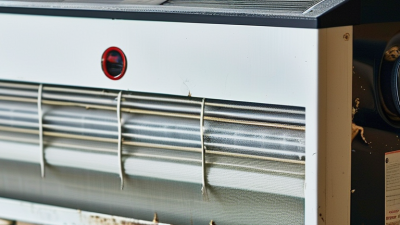
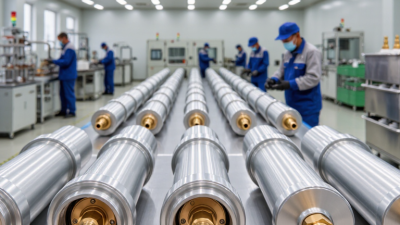
Key Features of Reliable Chinese Filter Drier Suppliers

China Top Aircon Filter Drier Suppliers for Global Buyers

Reliable Chinese filter drier suppliers combine material control, testing discipline, and clear technical communication. The International Energy Agency reports that space-cooling energy use has more than tripled since 1990. Demand will keep rising, but poor moisture control can shorten compressor life. Suppliers should state desiccant type, moisture capacity, filtration rating, pressure drop, and compatible refrigerants and oils. Details matter.

Quality evidence should go beyond a certificate on a wall. Look for batch traceability, shell pressure testing, leak testing, and documented performance data. AHRI Standard 710 provides recognized methods for evaluating refrigerant filter driers. A dependable factory can share inspection records before shipment. It should also explain how copper connections, internal screens, and corrosion protection are controlled.

UNEP’s technical assessments identify energy efficiency and refrigerant management as major priorities for the cooling sector. That makes supplier engineering support increasingly important. Ask for drawings, operating limits, packaging details, and sample approval procedures. Small details prevent expensive field failures.

Not every supplier communicates equally well. Some datasheets remain incomplete. That is a warning, not a minor inconvenience. Buyers should compare test conditions, not only prices. A lower-cost drier may create higher service costs when moisture capacity or pressure-loss data is unclear. I would still request independent verification for critical projects. Supplier claims deserve checking.

How to Evaluate Filter Drier Quality, Compatibility, and Performance

China’s filter drier suppliers serve many refrigeration and air-conditioning markets. Quality evaluation should begin with materials, construction, and test evidence. A reliable filter drier should have a clean copper or steel shell, even brazed joints, and clear flow-direction markings. Inspect the connections closely. Rough edges or uneven brazing may indicate weak process control.

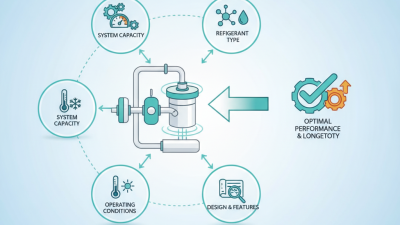
Compatibility requires more than matching pipe size. Confirm refrigerant type, oil compatibility, working pressure, temperature range, and installation direction. The desiccant must absorb moisture without breaking apart during operation. Ask for filtration ratings, moisture-capacity data, pressure-drop results, and batch traceability. A certificate helps, but it is not the whole answer. I once treated a clean-looking shell as proof of quality. That was a mistake.

Tips: Request a sample before bulk purchasing. Compare its weight, dimensions, connection size, and internal structure with the technical sheet. Test pressure drop under realistic flow conditions, not only at low laboratory flow. Check whether the supplier explains failed tests clearly. That response can reveal more than a polished sales document. Performance also depends on installation, evacuation, and system cleanliness, so supplier guidance should be practical and specific. Even experienced buyers can overlook storage humidity, which may reduce desiccant effectiveness before installation.

China’s Manufacturing, Certification, and Export Capabilities

China Top Aircon Filter Drier Suppliers for Global Buyers

China’s aircon filter drier manufacturing combines high-volume production with increasingly controlled process management. Many factories use copper shells, molecular sieve cores, and automated brazing lines. Operators check joint temperature, filter orientation, and surface cleanliness during assembly. It matters.

Reliable suppliers usually maintain batch records from incoming copper tubes to final pressure testing. Common controls include helium or nitrogen leak testing, flow-direction checks, and moisture-absorption verification. Some facilities operate under ISO 9001 quality systems. However, certification alone does not prove consistent product performance. Buyers should review the certificate scope, testing frequency, and recent inspection reports.

Export capability depends on more than factory capacity. Experienced suppliers prepare technical drawings, packing lists, commercial invoices, certificates of origin, and destination-specific conformity documents. Requirements can differ between markets, especially for pressure-related components and refrigerant systems. Export teams should also understand pallet protection, carton labeling, HS classification, and agreed Incoterms. Small packaging failures can damage copper connections before installation.

No factory is flawless. A supplier may pass routine tests yet reveal weaker control during seasonal demand peaks. This is where independent inspections, pre-shipment sampling, and clear acceptance criteria provide practical protection. Buyers can request sample traceability, burst-pressure data, desiccant specifications, and photographs of sealed cartons. Transparent communication is often more valuable than impressive claims.

China Top Aircon Filter Drier Suppliers for Global Buyers - China’s Manufacturing, Certification, and Export Capabilities

Data Dimension Reference Data for Chinese Suppliers What Global Buyers Should Verify Relevant Standard or Document
Product Category Liquid-line and suction-line refrigerant filter driers for air-conditioning and refrigeration systems Confirm the product type, installation direction, connection configuration, and intended system application Product specification sheet and installation instructions
Common Housing Materials Copper, copper-plated steel, steel, or stainless-steel components may be used depending on the design and pressure rating Check material certificates, corrosion resistance, wall thickness, and compatibility with the refrigerant and oil Material test report; technical drawing; quality-control record
Desiccant Technology Molecular sieve, activated alumina, silica gel, and mixed desiccant formulations are used for moisture and contaminant control Request desiccant composition, water-capacity test results, particle-retention data, and compatibility information Technical data sheet; laboratory test report
Refrigerant Compatibility Models may be designed for commonly used HFC, HFO, and hydrocarbon refrigerant systems, subject to the manufacturer’s stated limits Match the drier with the exact refrigerant, lubricant, operating temperature, and maximum working pressure Refrigerant compatibility statement; safety data sheet; pressure rating document
Connection Options Common connection types include copper sweat, flare, and threaded configurations, with sizes selected according to system capacity Verify nominal connection size, tube outside diameter, connection standard, and dimensional tolerances Dimension drawing; approved sample; inspection report
Pressure and Leak Testing Professional production lines generally include pressure testing, vacuum testing, and leak inspection before shipment Obtain the design pressure, test pressure, allowable leakage level, test medium, and batch traceability method Pressure-test record; helium or nitrogen leak-test record; batch report
Quality Management Manufacturers serving international markets commonly use documented incoming-material, in-process, and final-inspection procedures Verify the validity and scope of the quality-management certificate and confirm that it covers the relevant manufacturing site ISO 9001 certificate; inspection and calibration records
Environmental Management Export-oriented factories may operate environmental-management systems covering waste, energy, chemical handling, and process controls Check certification scope, certificate validity, and compliance with the buyer’s restricted-substance requirements ISO 14001 certificate; RoHS declaration where applicable
Applicable Testing Reference Refrigerant drier performance can be evaluated using recognized methods for moisture-removal and capacity testing Ask whether testing follows a recognized method and whether results are available for the specific model ASHRAE Standard 63.2, Methods of Testing Liquid-Line Refrigerant Driers
Production Capability Typical capabilities may include tube forming, brazing, desiccant filling, assembly, pressure testing, labeling, and export packing Review monthly capacity, equipment list, process flow, workforce stability, and the supplier’s ability to maintain consistent batch quality Factory audit report; process flow chart; capacity declaration
Customization Options Possible customization areas include connection size, shell dimensions, desiccant charge, labeling, packaging, and private-label documentation Confirm tooling charges, minimum order quantity, sample approval procedure, lead time, and ownership of customized drawings Approved drawing; sample approval record; purchase specification
Packaging for Export Moisture-resistant inner packaging, protective separators, carton packing, palletization, and shipping marks are commonly used for export orders Specify carton strength, humidity protection, pallet requirements, labeling language, and damage-prevention measures Packing specification; carton marking artwork; packing-list format
Export Documentation Standard export files may include commercial invoice, packing list, bill of lading, certificate of origin, and product compliance documents when required Confirm document responsibility, issuing authority, data consistency, and destination-country requirements before shipment Commercial invoice; packing list; certificate of origin; bill of lading
Trade Terms Commonly negotiated Incoterms include EXW, FOB, CFR, and CIF, depending on the buyer’s logistics arrangement State the named place or port, insurance responsibility, customs responsibility, and risk-transfer point in the quotation Incoterms® 2020 rules; commercial quotation
Buyer Qualification Priority Technical compatibility, documented testing, factory traceability, certification validity, packaging control, and reliable export communication Use samples, third-party inspection, production audits, and pre-shipment inspection before approving regular orders Supplier questionnaire; quality agreement; inspection plan

Note: Technical ratings, certifications, refrigerant compatibility, dimensions, and export documents vary by model and manufacturing site. Buyers should verify current, model-specific evidence before placing an order.

How Global Buyers Can Select and Purchase the Right Supplier

China’s aircon filter drier market offers broad capacity, but supplier quality varies sharply. Global buyers should assess manufacturing evidence, not polished catalog images. Ask for factory photos, production flow, inspection records, and recent batch data. Check whether the supplier controls copper tube dimensions, desiccant filling, brazing, and leak testing. Small details matter. An uneven weld can cause leakage after installation, even when the package looks perfect.

Request samples from the same production line used for regular orders. Measure pressure resistance, connection size, flow direction, and drying performance with an independent laboratory when possible. Review material certificates and test methods carefully. Some reports use unclear units. That is a warning. Confirm minimum order quantity, lead time, packaging, warranty terms, and replacement procedures in writing. Ask how serial numbers or batch codes support traceability. These questions reveal operational maturity better than sales promises.

Before purchasing, compare at least three qualified suppliers using the same technical specification. Include refrigerant compatibility, temperature range, pressure rating, and installation environment. Use a pre-shipment inspection for the first order. Not every supplier will welcome it. That response is useful. Pricing should include freight, rejected-unit risk, customs documents, and after-sales communication. An attractive unit price may become expensive after delays or inconsistent dimensions. A pilot order is safer than a large commitment, although it may not reveal every long-term issue.

For global buyers sourcing air-conditioning filter driers from China, technical compatibility and product quality should be assessed before price. The chart presents an indicative procurement-priority model covering refrigeration-system fit, filtration performance, pressure resistance, documentation, production capability, delivery reliability, and total cost.