Leave Your Message

China Top HVAC Blower Motor Manufacturers for Buyers

China has become an important sourcing base for HVAC components, including motors used in residential, commercial, and industrial air-handling equipment. Buyers, however, need more than a competitive quotation. A motor must match the blower, operating conditions, and control system. Small differences in shaft size, mounting holes, or electrical ratings can delay installation.

The International Energy Agency’s 2023 Global Status Report for Buildings and Construction estimates that buildings accounted for about 30% of global final energy consumption in 2022. They also produced roughly 26% of energy-related emissions. These figures describe the building sector, not the blower-motor market. Still, they show why efficiency and dependable operation matter to HVAC equipment buyers. A few watts saved across many operating hours can become meaningful, though actual results depend on the full system.

This guide examines China Top HVAC Blower Motor Manufacturers for Buyers, with practical factors to compare: motor type, rated voltage, speed range, noise, efficiency data, and sample testing. Ask suppliers for clearly documented specifications and performance curves. Check whether test conditions match your intended application. Factory capacity matters, but so do quality controls, traceability, and responsive technical support. Still, numbers can mislead. A polished datasheet does not prove a motor will fit your unit. Use it as a starting point, then verify samples against your design and operating needs.
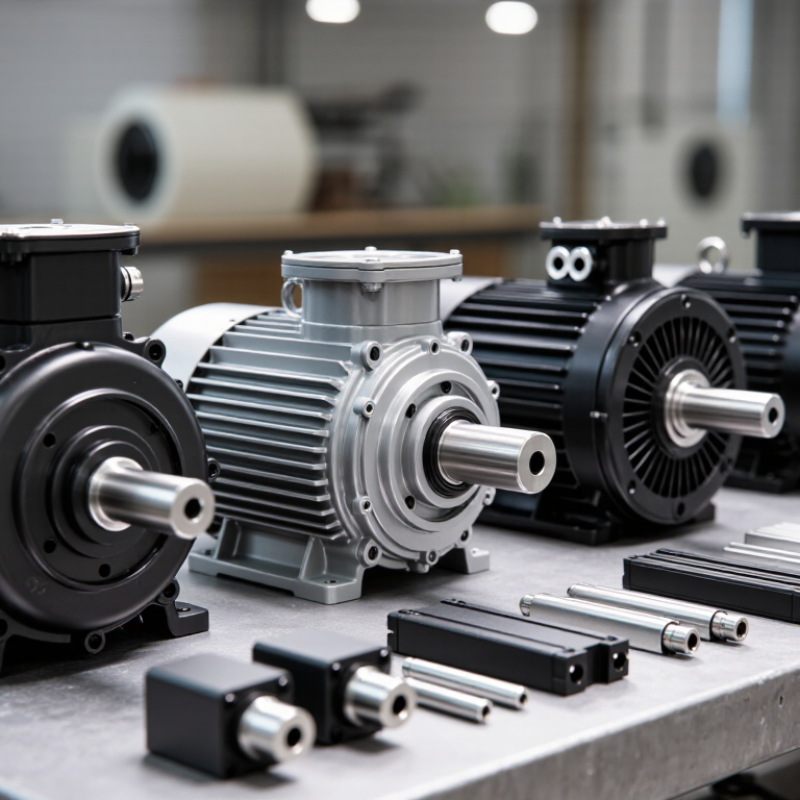
China Top HVAC Blower Motor Manufacturers for Buyers

Understanding HVAC Blower Motors and Their Applications

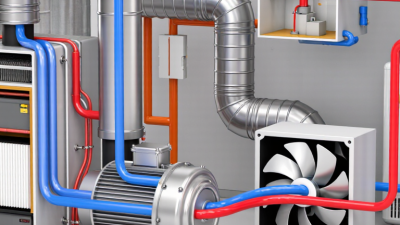
An HVAC blower motor drives air across heating or cooling coils and through filters and ducts. In a furnace, it pushes warmed air into rooms; in a split air-conditioning system, it circulates indoor air across the evaporator coil. The motor must work against resistance from filters, grilles, and duct bends. A clogged filter or undersized duct can therefore affect airflow, noise, and comfort.

Motor choice depends on the equipment and how it is controlled. Permanent split capacitor motors often run at fixed speeds, while electronically commutated motors can adjust speed to meet airflow demands. Variable speed is not automatically more efficient: poor controls or high duct pressure can undermine its benefits. That detail is easy to miss. Technicians should check airflow and static pressure, not just the motor label.

The International Energy Agency’s 2018 report, The Future of Cooling, estimates that global electricity use for space cooling could rise from about 2,020 TWh in 2016 to 6,200 TWh by 2050. This projection makes efficient air movement increasingly important, though it does not predict savings from any single motor. Blower motors serve homes, offices, hospitals, and factories, where operating hours and ventilation needs vary. In real installations, the “right” motor can be less obvious than a catalog suggests.
Types, Performance Ratings, and Features Buyers Should Compare

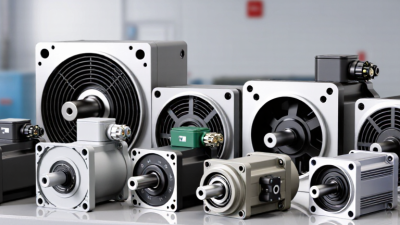
HVAC blower motors are not interchangeable just because their housings look similar. Buyers may compare shaded-pole, permanent-split-capacitor (PSC), and brushless DC (BLDC) designs. Each suits different control needs, operating costs, and service expectations. Check the equipment’s voltage, shaft dimensions, mounting holes, rotation, and connector before comparing price. A small mismatch can turn installation into a field workaround.

Performance ratings need context. Check airflow at the system’s expected static pressure, not only as a free-air figure. Compare rated voltage, input power, speed range, current draw, and duty cycle. A motor that moves air well on an open bench may struggle behind a restrictive filter and coil. Noise matters too. Ask whether sound data was measured under comparable conditions, since room setup can affect results.

Review insulation class, allowable ambient temperature, bearing type, and protection rating for the intended location. BLDC models can support speed control and lower energy use, but savings depend on controls and load profile. PSC motors may be simpler to match in some existing systems. When comparing Chinese manufacturers, request test reports, dimensional drawings, and clear quality-control details. A datasheet can still omit details buyers need. I would not rank motors by efficiency alone; maintenance access and replacement lead time matter, though they are easy to overlook.

How to Assess Chinese HVAC Blower Motor Manufacturers

China Top HVAC Blower Motor Manufacturers for Buyers
How to Assess Chinese HVAC Blower Motor Manufacturers

Assess a supplier by measured performance, not polished brochures. The International Energy Agency’s 2018 report, The Future of Cooling, says air conditioners and fans use about 20% of building electricity worldwide. It projects space-cooling electricity demand could rise from 2,020 TWh in 2016 to 6,200 TWh by 2050. These figures make efficiency claims worth checking carefully.

Ask for motor efficiency curves, airflow and static-pressure results, noise readings, and winding-temperature data. Match the test conditions to your own unit; a motor tested at a different voltage or load may behave differently in service. Request sample units and compare current draw, vibration, and heat after several hours of operation. Small details matter. Paperwork matters too: check whether reports identify the tested model, date, and laboratory.

Review production controls, component traceability, and how the factory handles failed samples. A site visit can help, but a tidy production line does not prove consistent output. I would treat that as a limitation, not a verdict. Ask for records from multiple production batches, then verify a sample independently when the order is significant. Clear answers are useful. Vague guarantees are not.

How to Assess Chinese HVAC Blower Motor Manufacturers

Suggested evaluation weighting—not market statistics. Use these priorities to compare suppliers consistently. Verify performance and reliability claims with test reports, review quality-system documentation, confirm compliance for your destination market, and assess delivery and after-sales terms.

Leading Manufacturers and Their Product Specialties

China’s HVAC blower motor suppliers typically specialize in distinct product groups. Some focus on compact AC motors for residential fan coils, where cost and straightforward replacement matter. Others develop electronically commutated motors for variable-speed operation and tighter energy control. Centrifugal blower specialists serve air handlers and commercial equipment, matching wheel geometry to airflow and static pressure. Integrated component makers may supply the motor, housing, and impeller as one tested assembly. That can simplify installation.

The International Energy Agency’s 2018 report, The Future of Cooling, projects global air-conditioner electricity demand could reach 6,200 TWh annually by 2050. This outlook makes efficiency and part-load performance important buying criteria, though it does not rank manufacturers. Buyers should request motor curves, noise data, temperature-rise results, and sample-test records for the exact blower configuration. A clean catalog is not proof of a stable production run. Not always. Check whether stated airflow holds at the required static pressure, and ask how suppliers control vibration across production batches. Small differences in wheel balance or bearing fit can become audible in a quiet room.

Sourcing, Quality Assurance, and After-Sales Support

China Top HVAC Blower Motor Manufacturers for Buyers

For buyers comparing China’s HVAC blower motor manufacturers, sourcing should start with operating conditions, not a catalog photo. Provide the required voltage, airflow, static pressure, temperature range, and installation dimensions. Ask suppliers to explain how they verify these details before production. A sample should match the intended housing and control system. A mismatch may only appear after installation. That is costly.

Quality assurance needs clear, repeatable checks. Request inspection records for noise, vibration, current draw, and balance. Confirm how production samples are compared with approved specifications. Ask about material traceability and how defects are handled. No checklist catches everything. A polished sample can still differ from a full production run, so agree on a pre-shipment inspection plan. After-sales support matters too. Confirm response times, spare-part availability, warranty terms, and what evidence is needed for a claim. Keep written records; vague promises are hard to resolve.

Tips: Send drawings and test conditions together. Ask for a dated test report. Check whether replacement parts fit the original assembly. Save one approved sample for comparison. Be realistic about lead times, and leave room for a second review.

China Top HVAC Blower Motor Manufacturers for Buyers - Sourcing, Quality Assurance, and After-Sales Support
Evaluation Area Buyer-Side Data or Requirement Evidence to Request Verification Point
Motor technology Common HVAC blower motor options include permanent split capacitor (PSC), shaded-pole, and brushless DC (BLDC) designs. The appropriate type depends on the appliance, control system, efficiency target, and operating conditions. Motor datasheet, winding or controller details, and a description of the intended application. Confirm that the proposed motor matches the equipment’s electrical interface, control method, mounting, and duty cycle.
Electrical rating Specify rated voltage, frequency where applicable, input power or current, speed, and operating limits from the target equipment design. Do not select a motor using voltage alone. Nameplate or datasheet values and a test report for the offered configuration. Check that the rating corresponds to the exact motor and regional electrical supply; request confirmation for any revised specification.
Airflow and pressure requirements Define the required airflow and static-pressure operating point for the complete blower assembly. Performance depends on the motor, impeller, housing, and system resistance together. Fan or blower performance curve, test conditions, and the proposed impeller and housing configuration. Compare performance at the required operating point rather than relying on a free-air airflow figure alone.
Mechanical fit Document shaft diameter and length, mounting-hole pattern, rotation direction, connector position, and available installation space. Dimensioned drawings, connector pinout, and a physical sample when fit is critical. Check drawing revisions against the buyer’s interface drawing before approving a sample or production order.
Operating environment Specify ambient temperature, humidity exposure, dust or condensation risk, vibration conditions, and expected operating hours for the application. Declared operating limits and any applicable environmental or endurance test records. Ensure test conditions and limits are relevant to the intended product; do not assume one motor rating suits every HVAC application.
Quality-management system ISO 9001 is an international quality-management-system standard. Certification can support process controls but does not by itself establish that a specific motor meets its performance requirements. Current certificate, issuing body, scope, and certificate validity details. Verify that the certificate applies to the manufacturing site and activities relevant to the supplied product.
Electrical and safety testing IEC 60034-1 covers rating and performance for rotating electrical machines. Applicable requirements depend on motor design, end product, and destination market. Test reports identifying the model, test conditions, standard edition, and laboratory or responsible test facility. Confirm the cited standard and test scope are applicable to the motor and the finished equipment; request market-specific compliance documentation as needed.
Production inspection Agree acceptance criteria for key characteristics such as electrical continuity, insulation-related checks where applicable, dimensions, appearance, and functional operation. Inspection plan, sample records, defect classification, and batch traceability information. Define sampling method and acceptance limits in the purchase specification before production begins.
Sample approval and change control Approve a representative sample before mass production. Changes to materials, components, tooling, firmware, or manufacturing site may affect fit or performance. Approved sample record, revision-controlled drawings, and a written process for notifying buyers of changes. Require written approval for changes that affect form, fit, function, reliability, or regulatory status.
Packaging and shipment Specify packaging protection, labeling, carton quantity, shipping marks, and any moisture or handling precautions required for the route and storage conditions. Packaging specification, carton dimensions and gross weight, and pre-shipment inspection records if agreed. Confirm packaging protects shafts, connectors, and other vulnerable features during transport and handling.
After-sales support Agree how technical questions, quality claims, replacement parts, and corrective actions will be handled. Response times and warranty terms should be stated in the contract. Written warranty terms, claim procedure, contact channel, and corrective-action process. Clarify coverage period, exclusions, evidence required for a claim, and responsibility for logistics or replacement costs.
RFQ information checklist Send the application, target performance point, electrical supply, drawings, annual demand estimate, destination market, required documents, and requested delivery schedule. Itemized quotation with model configuration, unit price basis, tooling or sample charges, lead-time assumptions, and quotation validity. Compare quotations using the same technical specification, order quantity, Incoterm, packaging scope, and documentation requirements.