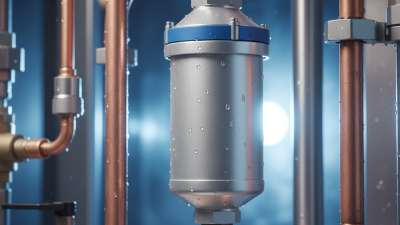
What Is an HVAC Blower Motor and How Does It Work?
A Hvac Blower Motor moves heated or cooled air through an HVAC system’s ducts and into rooms. It usually sits inside an air handler or furnace, where a fan wheel draws air across the heating or cooling components. The motor supplies the rotation; the wheel creates the airflow. Small part. Big effect.
When the thermostat signals a need for heating or cooling, the system’s controls tell the blower when to run. Depending on the design, the motor may operate at selected speeds or adjust its speed gradually. That change can help maintain steady airflow and comfort, though actual performance depends on the equipment and its setup. You may hear the fan start before warm air reaches a vent, or continue briefly after the heating cycle ends. Those timings can be normal.
A blower motor does not work alone. Its operation depends on electrical connections, control settings, a clean filter, and a fan wheel that can turn freely. A clogged filter can restrict airflow, while unusual humming, rattling, or weak air from several vents may point to a problem. These clues are useful, but they do not identify the cause by themselves. A dirty wheel, a control fault, or another component can produce similar symptoms. That uncertainty is worth remembering before replacing parts. Understanding how the motor works makes it easier to describe what you notice and decide when a qualified HVAC technician should inspect the system.
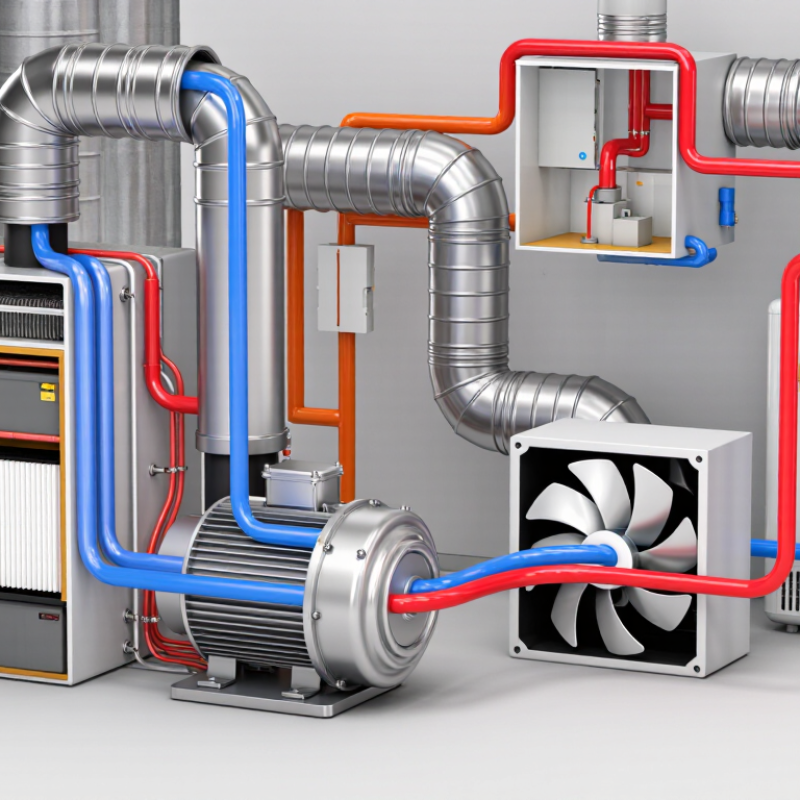
HVAC Blower Motor Basics: Common Residential Ratings from 1/4 to 1 HP
An HVAC blower motor spins the fan wheel that moves heated or cooled air through a home’s ducts. Residential motor nameplates commonly show ratings from 1/4 to 1 horsepower. The rating describes the motor’s power capacity, not the airflow a home will receive. Airflow also depends on the fan wheel, duct resistance, filter condition, and the system’s static pressure.
A 1/4- or 1/3-horsepower motor may suit a smaller system with modest airflow needs; larger homes or higher-resistance ductwork may call for more capacity. Common options include permanent split-capacitor motors and electronically commutated motors. The latter can adjust speed to match operating demand, while fixed-speed motors typically run at selected speeds. Horsepower alone can mislead. I would check the equipment specifications and measured airflow before treating a larger rating as an upgrade.
Efficiency matters over years of daily operation. The U.S. Department of Energy’s 2014 furnace-fan standards analysis projected about 3.99 quadrillion Btu in cumulative energy savings over 30 years across covered products. That estimate is not a promise for any single household, but it shows why fan power deserves attention. Listen for a strained hum, weak airflow at distant registers, or a filter that loads quickly; each can point to a system issue, not necessarily a motor failure.
Motor and Blower Wheel: How They Deliver Roughly 400 CFM per Cooling Ton
An HVAC blower motor turns the blower wheel, which pulls return air through the filter and pushes it across the indoor coil. For cooling, a common residential design benchmark is about 400 cubic feet per minute (CFM) per ton. A three-ton system would therefore target roughly 1,200 CFM. One cooling ton equals 12,000 Btu per hour, as reflected in AHRI Standard 210/240, which defines performance-rating conditions for unitary air conditioners and heat pumps.
The 400-CFM figure is a starting point, not a universal setting. The ASHRAE Handbook—HVAC Systems and Equipment describes how fan performance interacts with system resistance; a dirty filter, restrictive duct, or loaded coil can reduce delivered airflow. You can sometimes hear the result: a strained rush at a grille, or a weak stream from a distant room. Too little airflow may affect coil temperature and moisture removal, while excessive airflow can compromise comfort. The rule is useful, and imperfect. A technician should compare measured airflow and external static pressure with the equipment’s specifications, rather than judge performance by motor sound alone.
PSC and ECM Motors: Comparing Fixed-Speed and Variable-Speed Operation
An HVAC blower motor pushes heated or cooled air through the ductwork. Two common types are PSC and ECM motors. A PSC motor typically runs at a fixed speed, then switches off when the thermostat is satisfied. Its airflow is straightforward, but it may use more electricity while operating. An ECM uses electronic controls to adjust speed and airflow. It can ramp up gradually, maintain steadier circulation, and reduce electrical use in suitable systems. The real-world result depends on equipment setup, duct resistance, and how the controls are configured.
The U.S. Department of Energy’s 2014 furnace-fan efficiency rule estimated that compliant fans would use about 46% less electricity than the baseline designs. This is a projected average across regulated furnace fans, not a promise that every ECM will save that amount in every home. PSC motors can be simpler to replace, while ECMs may offer quieter starts and more precise airflow. That is the trade-off. A variable-speed motor is not automatically the better choice if it is poorly matched to the furnace or ducts.
Tips: Check the motor label and equipment manual before replacing a blower. Ask a qualified HVAC technician to measure airflow and inspect the filter and ducts; a dirty filter can make even a capable ECM work harder. And listen at startup: a smooth ramp can be normal, but persistent humming or weak airflow deserves inspection.
Airflow and Duct Resistance: Understanding the 0.5 in. w.c. Rating Reference
An HVAC blower motor spins a fan that moves air through the filter, coil, ducts, and supply grilles. The 0.5 in. w.c. rating means the blower’s airflow is assessed at a specified external static pressure of half an inch of water column. It is a reference point, not a promise that every installed system will deliver its listed airflow. The fan curve matters.
Duct resistance comes from friction and restrictions. A dirty filter, undersized return, sharp duct turns, or closed dampers can raise pressure and reduce airflow. ACCA’s Manual D, Residential Duct Systems, treats duct sizing as a pressure-loss problem; ASHRAE Handbook—Fundamentals discusses how a fan’s operating point depends on system resistance. For illustration, a filter drop of 0.15 in. w.c., coil drop of 0.20, and duct-and-grille drop of 0.15 add up to 0.50. Those are example values, not universal allowances. Small details matter.
A technician checks external static pressure with a manometer, taking readings across the equipment and comparing them with manufacturer performance data. If the measured pressure is 0.70 in. w.c., the blower may move less air than its 0.5-in. rating suggests. That assumption can be wrong: the fan speed setting and component condition also affect results. A measurement at one test port alone may miss the cause.
Motor Troubleshooting: Checking Power, Capacitors, and Airflow Safely
An HVAC blower motor drives the fan that moves air through your ductwork. When airflow weakens or the system makes a new humming sound, the motor may be involved. But a dirty filter, blocked return grille, or closed vent can cause similar symptoms. Check the simple things first. They are easy to miss.
Turn off the system at its thermostat and disconnect power at the service switch or breaker before opening an access panel. Never assume the equipment is off; a qualified person should verify power is absent before testing wiring. Capacitors can retain a dangerous charge after shutdown. Do not touch their terminals or attempt to discharge one yourself. If the motor hums but does not start, a failing capacitor is one possibility, not a diagnosis. Electrical testing belongs to a trained technician.
Look for a packed filter, dust around the blower wheel, or an object blocking the return. Keep hands and tools away from the fan. Restore power only after panels are securely back in place. If the airflow remains weak, note whether the sound changes, and when it occurs. That detail can help a technician distinguish a motor fault from a control, capacitor, or duct problem. I once assumed a low airflow complaint meant a tired motor; the clogged filter was the less dramatic answer. I could have checked it sooner.



 Email
 Whatsapp

 WeChat