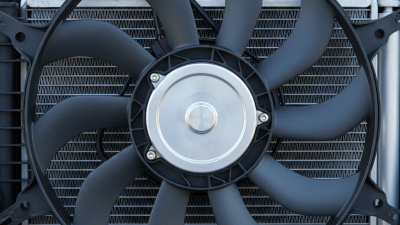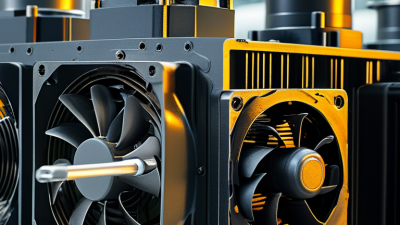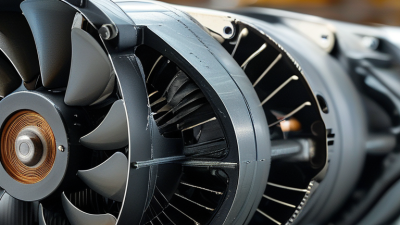


Selecting a Motor Cooling Fan Blade is not a cosmetic detail. It affects airflow, cooling reliability, noise, and the load placed on a motor. The International Energy Agency reported that electric motor systems account for about 45% of global electricity consumption (Energy-Efficiency Policy Opportunities for Electric Motor-Driven Systems, 2011). That figure covers many applications, not fan blades alone. Still, it shows why efficient motor-driven equipment deserves careful attention.
Blade diameter, pitch, profile, material, and rotational speed all shape performance. A blade that moves enough air in an open test may behave differently behind a grille or inside a tight housing. Dust, heat, vibration, and limited clearance matter too. Small details count. A few millimeters can change fit or airflow. The best choice balances cooling needs with available space, operating conditions, and acceptable noise—not just maximum airflow on a product sheet.
For credible comparisons, check how airflow ratings were measured. ANSI/AMCA 210 and ASHRAE 51 provide laboratory methods for determining fan aerodynamic performance. These tests help standardize comparisons, but they cannot reproduce every installation. That is an important limitation. A suitable Motor Cooling Fan Blade should match the motor’s actual duty, mounting arrangement, and environment, with performance verified under realistic conditions where possible. Even careful selection may not fix poor ventilation or a restrictive enclosure. That part is easy to overlook.
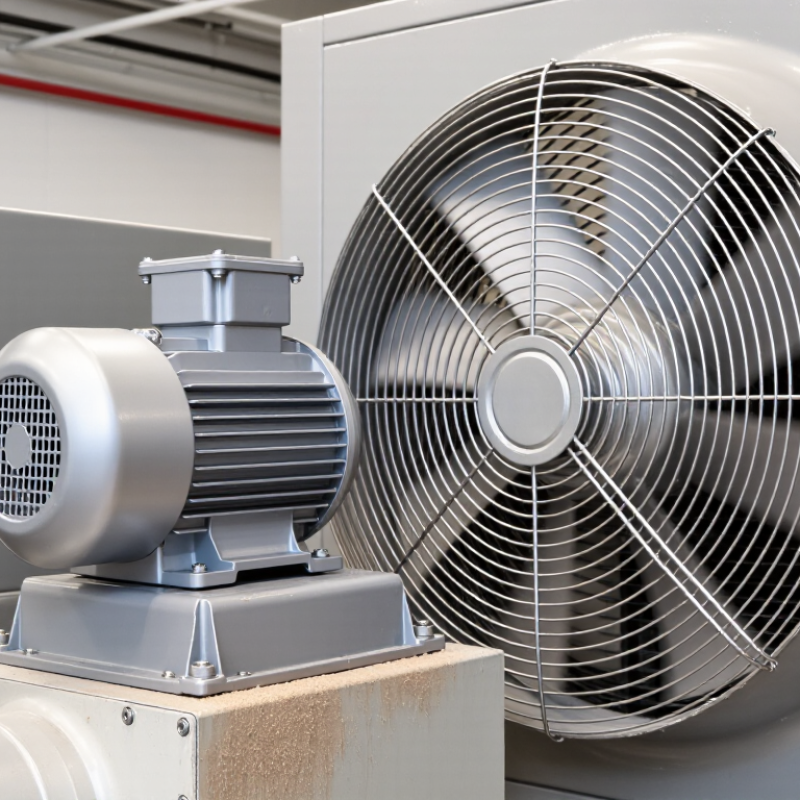
A cooling fan blade does more than push air. Its shape, pitch, and diameter influence airflow across the motor housing and through narrow gaps around fins. More air is not always better: a poorly matched blade can increase noise, draw extra power, or leave hot spots near the bearings. The U.S. Department of Energy’s Improving Motor and Drive System Performance sourcebook reports that motor-driven systems account for about 68% of electricity use in U.S. manufacturing. That makes efficient thermal management practical, not cosmetic. AMCA fan-system guidance also describes the fan laws: under comparable conditions, airflow changes with speed, while power rises roughly with the cube of speed. Small adjustments matter.
In the field, check where the warm air goes. A fan that recirculates exhaust can keep the motor hot, even when its blades look clean. Match blade geometry to the motor’s cooling path, operating speed, and enclosure; then verify temperature under real load. A quick touch test is not enough. I have seen a seemingly adequate airflow hide a stubborn hot spot. Measurement beats assumption.
Tips: Clear dust from blade edges and cooling fins. Confirm rotation direction and keep intake openings unobstructed. Record motor temperature before and after changes.
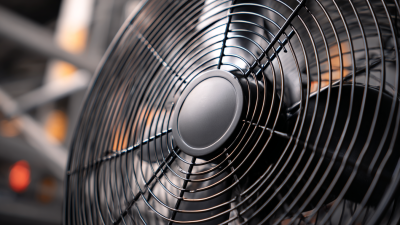
A motor cooling fan’s blade geometry affects airflow, pressure, noise, and the load placed on the motor. Blade pitch sets the angle at which each blade pushes air. A steeper pitch can move more air, but it may also increase drag and power demand. Too much pitch can strain a small motor. Small changes matter.
Blade count and width also shape airflow. Wider blades can move more air at lower speeds, while closely spaced blades may restrict flow if the surrounding housing is tight. Curved or swept blade edges can help reduce turbulence near the tips. The result depends on the fan’s operating speed and the resistance of the grille, duct, or heat sink.
Tip clearance deserves attention. If the gap between the blade tips and housing is large, some air can recirculate instead of cooling the motor. A smaller gap may improve efficiency, but only when the fan and housing remain properly aligned. Balance matters. Vibration from an uneven blade can loosen mounts and create unwanted noise. In practice, compare airflow and motor temperature under the actual operating conditions; a fan that performs well on an open test bench may behave differently behind a dusty grille. There is no universally best blade profile, and measurements can still miss real-world variation.
| Blade feature | How it influences airflow | Selection consideration |
|---|---|---|
| Fan diameter | A larger swept area can move more air at a given rotational speed, provided the motor and installation allow it. | Check the available clearance, motor power, and required airflow path. |
| Blade pitch | A greater pitch can increase the air moved per revolution, but also increases aerodynamic load and power demand. | Match pitch to the motor’s operating capacity and the resistance of the cooling system. |
| Number of blades | More blades can increase blade solidity and support pressure generation, but may also add drag and require more power. | Assess the complete fan design rather than assuming that more blades always produce more airflow. |
| Blade width and chord | A wider blade presents more area to the air, which can affect the volume moved and the load placed on the motor. | Consider airflow requirements alongside motor current, noise, and available space. |
| Blade curvature and airfoil shape | Blade shape guides airflow and affects aerodynamic efficiency, pressure capability, and turbulence. | Choose a design suited to the system’s airflow direction and resistance. |
| Rotational speed | Fan airflow generally rises with speed, while aerodynamic power demand and noise can rise substantially as speed increases. | Use the fan’s rated operating range and verify that the motor can safely drive it. |
| Tip clearance and shroud fit | Excessive gaps near the blade tips can allow air to recirculate, reducing useful airflow through the cooling area. | Check fit and clearance while allowing for manufacturing tolerances and operating movement. |
| Blade stiffness and material | A blade that maintains its shape under operating loads helps preserve its intended airflow geometry. | Consider temperature, vibration, environmental exposure, and the fan’s operating speed. |
| Balance and manufacturing consistency | Uneven mass or blade geometry can cause vibration, which may affect smooth operation and component life. | Look for appropriate balance control and consistent blade dimensions. |
| System resistance | Grilles, heat exchangers, filters, and narrow passages restrict airflow; actual flow depends on how the fan performs against that resistance. | Compare fan performance with the system’s pressure requirements, not airflow figures alone. |
Actual airflow depends on the fan, motor, and installed system working together. Confirm performance against the fan’s specifications and the application’s operating conditions.
A motor cooling fan blade should be matched to the motor’s actual operating conditions, not just its diameter. Check the required airflow, rotational speed, available space, and the resistance of the cooling path. A motor covered by a close-fitting shroud may need a blade that handles more pressure than one moving air through open space. Measure the clearance around the shaft and housing; even a small mismatch can cause rubbing or uneven airflow. Fit matters.
Next, compare the blade’s rated speed and airflow data with the motor’s operating range. A larger blade may move more air, but it can also increase load, noise, and power demand. Confirm the rotation direction and blade pitch, since an apparently suitable fan can push air the wrong way. Consider heat, dust, and moisture near the motor when selecting blade material. In a warm workshop, a plastic blade may behave differently from one used in a cooler, cleaner setting. Check the motor and fan specifications together, then test temperature and vibration under normal load. Paper ratings help, but real installations can surprise you. If the motor runs hotter after fitting, revisit the airflow path and blade match before assuming the motor is at fault.
An unsuitable motor cooling fan blade can reduce airflow even when the motor and housing appear clean. A blade with the wrong pitch may move too little air at the available speed, allowing heat to build around the windings. The opposite problem is possible too: excessive load can increase current draw, noise, and vibration. Small mismatch. Over time, those extra stresses may shorten bearing life or cause the motor to run outside its intended temperature range.
Fit and operating conditions matter as much as blade shape. A blade that is too large may sit too close to the shroud, where small gaps or slight shaft movement can create rubbing and uneven airflow. A poorly matched hub can also loosen or transmit vibration into the motor frame. During inspection, look for dust buildup, blade cracks, wobble, and hot spots near the housing; these clues help distinguish a cooling problem from a failing motor. It is tempting to choose a replacement by diameter alone, but speed, rotation direction, blade pitch, and available clearance should be checked against the equipment specifications. Real installations are not always ideal, and airflow readings can vary with nearby ducts or guards. That uncertainty is worth measuring, not guessing.
Choosing a motor cooling fan blade starts with the motor’s actual operating conditions, not appearance alone. Check the required airflow, fan diameter, rotation direction, and available clearance. Blade pitch and shape affect how air moves, while speed and system resistance influence whether that airflow is useful. A blade that fits the shaft may still cool poorly if it cannot overcome nearby grilles or ducts. Small details matter.
Material should suit the surrounding heat, moisture, and dust. Confirm that the blade’s speed rating and balance match the motor assembly. A common mistake is choosing by blade count alone; it can overlook airflow needs and operating noise. No choice is perfect, either. A quieter blade may not deliver enough cooling in a restricted space, so verify performance under realistic conditions when possible.
Maintenance helps preserve reliable cooling. Disconnect power before inspection, then check for cracks, loose fasteners, dust buildup, and signs of rubbing. Clean blades gently; accumulated grime can reduce airflow and contribute to imbalance. Watch for new vibration or unusual noise after service. If a blade is damaged, replace it with a compatible part rather than reshaping it. That shortcut can create uneven loading. Keep the motor’s vents clear, and record recurring issues, even if the cause is not obvious at first.