What is a Motor Cooling Fan Blade and How Does It Work?
A Motor Cooling Fan Blade plays a crucial role in engine efficiency. It helps prevent overheating by directing airflow. This component is often overlooked but essential for a vehicle's performance.
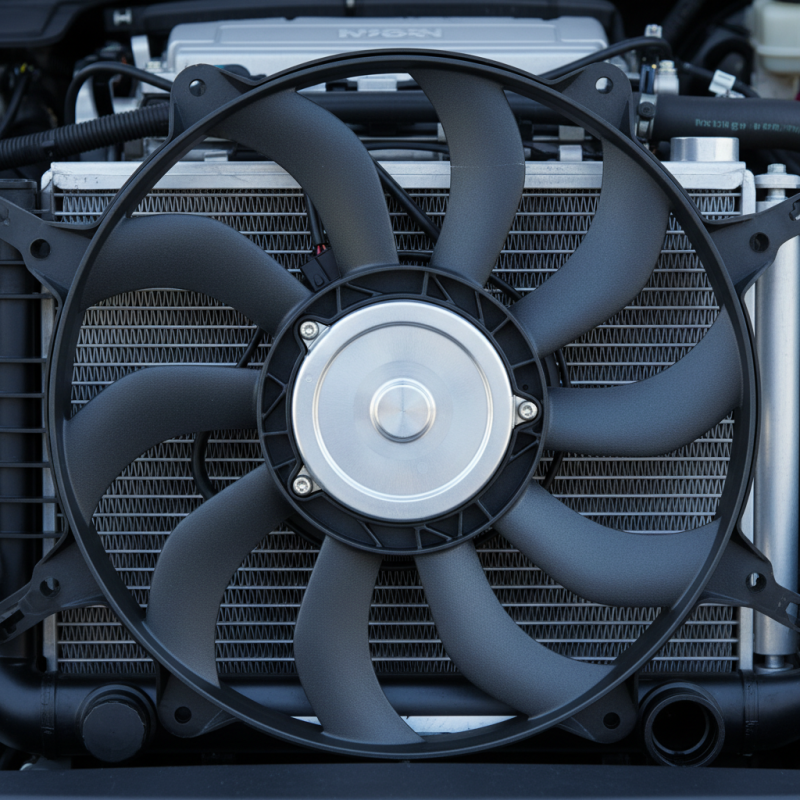
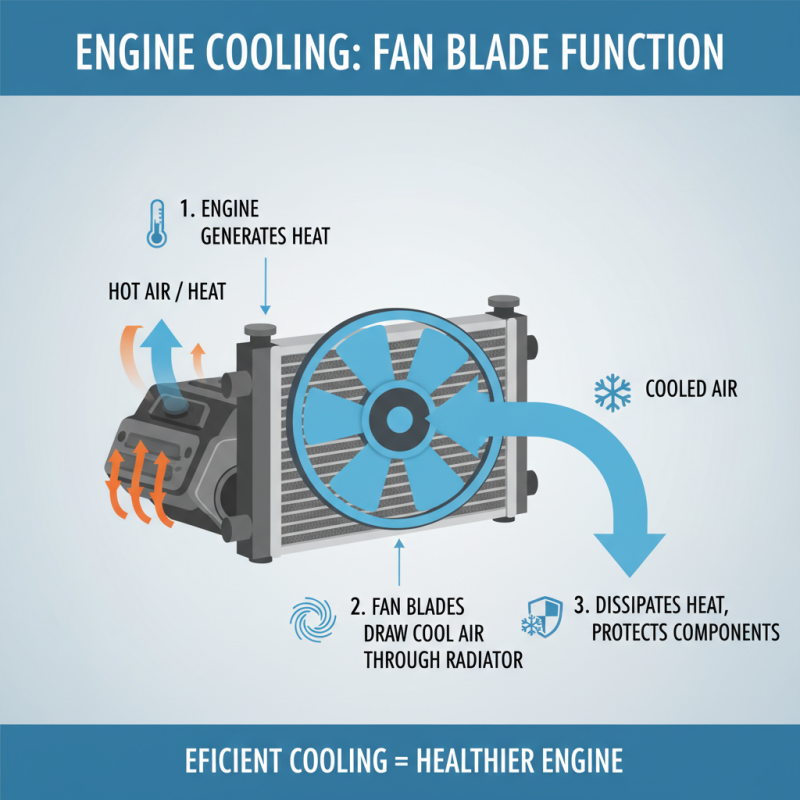
Understanding how the Motor Cooling Fan Blade works is key. It operates by drawing cool air through the engine compartment. This process dissipates heat created during operation. The design and material of the blades also influence their effectiveness.
However, not all Motor Cooling Fan Blades perform equally. Some may become damaged or dirty, affecting airflow. Regular maintenance can help ensure optimal performance. By recognizing its importance, vehicle owners can make better decisions regarding their cooling systems.
What is a Motor Cooling Fan Blade?
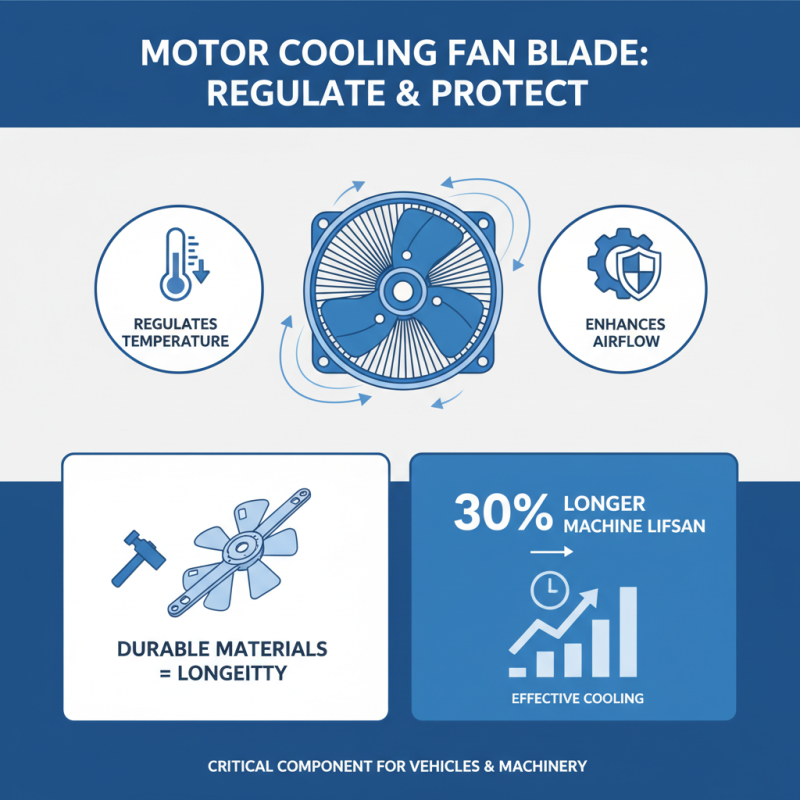
A motor cooling fan blade is a critical component in various machinery and vehicles. It plays a vital role in regulating temperature by enhancing airflow. These blades are typically made from durable materials, ensuring longevity and efficiency. Research indicates that effective cooling systems can increase machine lifespan by up to 30%.
When the motor operates, it generates heat. The fan blades rotate to create airflow, dissipating this heat. The design of the blades affects airflow dynamics. For instance, angled blades can improve air movement. A study revealed that an optimized blade design can enhance cooling performance by 25%. However, maintaining balance in blade design is crucial. Too much emphasis on airflow can compromise structural integrity.
Fan blades must be regularly inspected for wear. Over time, they may suffer from deformation or damage. This degradation can lead to decreased efficiency. Engineers recommend routine checks to ensure optimal performance. A small flaw can result in significant heat build-up, leading to potential system failures. Regular maintenance plays a vital role in prolonging the life of the motor.
The Role of Cooling Fan Blades in Engine Temperature Regulation
Cooling fan blades play a crucial role in regulating engine temperature. These blades are designed to draw air through the radiator, helping to cool the coolant circulating in the engine. When the engine runs, it generates significant heat. Without proper cooling, components can overheat, leading to damage. The fan blades rotate rapidly, pushing air over the engine and radiator, which helps dissipate heat effectively.
In modern vehicles, the cooling fan is often controlled by temperature sensors. When the engine reaches a certain temperature, the fan kicks in. This automatic response is vital for maintaining optimal engine performance. However, fan blades can wear down over time. A damaged or misaligned blade can reduce airflow, causing the engine to heat up more quickly. This presents a challenge for car owners. Regular inspections are essential to ensure that cooling systems function correctly. After all, neglecting these details can lead to severe engine issues down the line.
Aerodynamics: How Fan Blade Design Affects Airflow and Efficiency
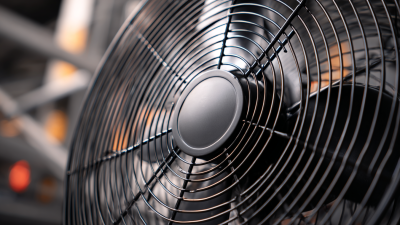
A motor cooling fan blade plays a crucial role in managing heat within engines. Its design significantly impacts airflow and overall efficiency. Aerodynamics is a key factor in this design process. The shape and material of the blade determine how effectively air can be moved. A well-designed blade reduces drag and increases airflow, enhancing cooling performance.
Tips: Consider the angle of the blades. A slight adjustment can lead to improved air movement. Experimentation may reveal optimal configurations for different applications. Selection of materials also matters. Lightweight materials can reduce overall weight and boost efficiency.
Flaws can occur in fan blade design. Sometimes, the blades may be too narrow or wide for specific uses. This could hinder their ability to draw in air effectively. Engineers often revisit designs after testing. They analyze performance data to make necessary adjustments. Adjusting the exhaust angle can also lead to better circulation. Ultimately, the goal is to achieve a perfect balance in airflow.
Material Choices: The Impact of Blade Material on Performance and Durability
The choice of materials for motor cooling fan blades significantly affects performance and durability. Common materials include plastic, aluminum, and composite composites. Each material has unique properties that influence efficiency, weight, and cost. For instance, plastic blades are lightweight and provide decent airflow but may fade or warp under extreme heat.
Aluminum blades offer robustness and enhanced heat dissipation. A study by the Society of Automotive Engineers (SAE) found that aluminum can increase airflow by up to 15% compared to plastic counterparts. However, aluminum fan blades tend to be heavier, impacting overall vehicle weight. Designers face constant trade-offs between efficiency and durability.
Composite materials are emerging as an alternative, balancing weight and strength. Manufacturers also consider environmental factors. Plastic degradation can lead to blade failure. Reports by the American Society for Testing and Materials (ASTM) suggest that certain composites resist environmental stressors better than others. Yet, the cost of advanced materials can deter manufacturers.
In practice, the industry still seeks better-performing materials that align with budget constraints while ensuring reliability. This balancing act shapes the future of motor cooling fan blade design.
Common Issues and Maintenance Tips for Cooling Fan Blades in Vehicles
Cooling fan blades play a critical role in vehicle maintenance. They help regulate engine temperature by drawing air through the radiator. When these blades fail, it can lead to overheating. Reports indicate that over 15% of engine failures are linked to cooling system issues. Regular inspections are vital to ensure the blades are undamaged and free of debris.
Common issues include wear and tear, which can lead to reduced airflow. Cracks or chips in the blades can diminish their efficiency. Data from automotive studies suggest that replacing damaged blades can improve cooling performance by up to 30%. Additionally, maintaining proper alignment helps prevent unnecessary vibrations that could cause further damage.
Routine maintenance includes checking for any signs of physical damage. Ensure the motor mounts are secure. It's also important to clean the blades regularly to avoid the buildup of dirt and debris. Neglecting these tasks can result in costly repairs. Keeping a close eye on your cooling fan blades is essential for long-lasting vehicle performance.
Cooling Fan Blade Issues in Vehicles



 Email
Email Whatsapp
 WeChat