Best Motor Cooling Fan Blade Options for Your Needs?
In the realm of industrial applications, the importance of an efficient Motor Cooling Fan Blade cannot be overstated. According to the latest industry data, nearly 80% of motor failures can be attributed to overheating. High temperatures not only reduce motor performance but can also lead to catastrophic failures. Selecting the right fan blade is crucial in preventing these issues and enhancing longevity.
A range of factors influences the choice of fan blades, including material, design, and size. Composite blades, for instance, offer impressive durability and corrosion resistance. However, they may lack the cost-effectiveness of traditional metal options. Recent surveys reveal that 65% of engineers prioritize cost alongside performance when choosing motor cooling solutions. This indicates a gap between ideal performance and budget constraints.
Understanding the operational environment further complicates the selection process. Various scenarios demand different cooling efficiencies and noise levels. For example, silent operation is vital in residential applications but may be less critical in industrial settings. As the market continues to evolve, manufacturers are innovating to meet diverse needs. Evaluating these options requires both experience and keen insight, as the ideal Motor Cooling Fan Blade is often not the most apparent choice.
Understanding the Importance of Motor Cooling Fan Blades
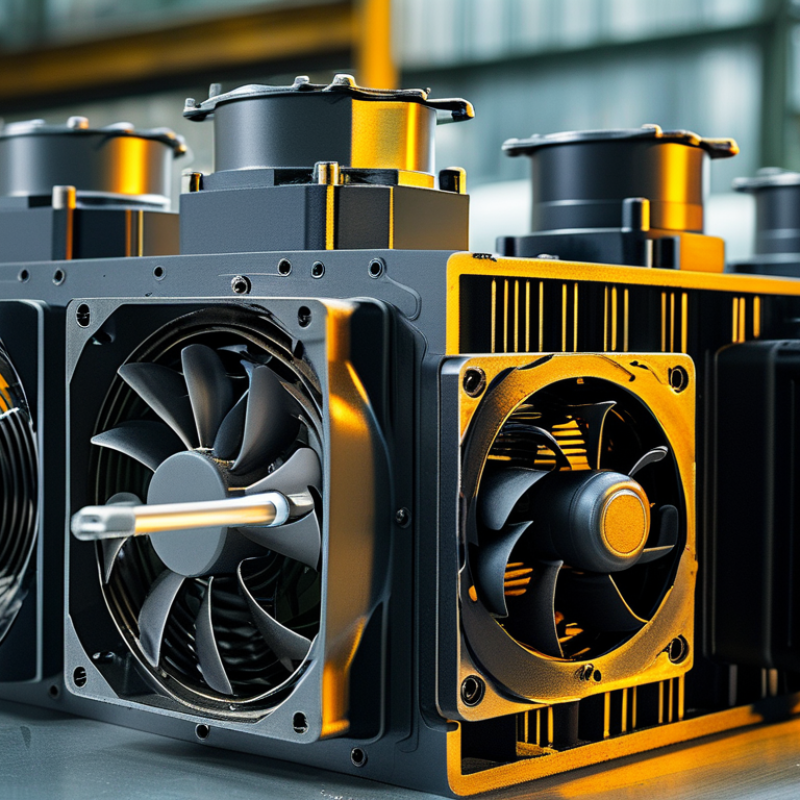
Motor cooling fan blades play a crucial role in maintaining optimal temperatures. They facilitate airflow around motors, preventing overheating. Without them, motors can suffer from reduced efficiency and potential failure. Proper airflow is essential for extending the lifespan of these machines.
When choosing fan blades, there are various materials to consider. Some may be lightweight, while others are more durable. Each option has its pros and cons. For example, plastic blades are less expensive but may not handle high temperatures well. Metal blades offer better heat resistance but can be heavier and pricier. The right choice depends on specific needs and conditions.
It's also important to assess the design of the fan blades. Blades with varied pitch can optimize cooling by adjusting airflow. However, many overlook the significance of their shape. A poorly designed blade may disrupt airflow, causing hotspots. This can lead to more frequent maintenance or even premature motor failure. Understanding these factors can greatly impact the overall performance of motor cooling systems.
Best Motor Cooling Fan Blade Options for Your Needs
| Blade Material |
Blade Shape |
Size (Diameter) |
Cooling Efficiency |
Noise Level |
| Plastic |
Curved |
30 cm |
Good |
Low |
| Aluminum |
Straight |
40 cm |
Excellent |
Medium |
| Composite |
Aerodynamic |
35 cm |
Very Good |
Very Low |
| Fiberglass |
Variable |
25 cm |
Fair |
High |
| Steel |
Bladed |
45 cm |
Good |
Medium |
Types of Motor Cooling Fan Blades Available in the Market
When choosing motor cooling fan blades, it's essential to understand the various types available. The market offers several designs, each catering to specific needs. For instance, axial fans are prominent for their efficiency in moving air parallel to the fan blades. Their simplistic design ensures cost-effectiveness and easy installation. According to industry data, axial fans account for approximately 60% of the cooling fan market due to their versatility in various applications.
On the other hand, centrifugal fans are renowned for high-pressure applications. They operate by drawing air into the center and expelling it at a right angle. This design is particularly effective in large-scale industrial settings. Reports indicate that centrifugal fans are preferred in environments requiring significant airflow resistance. However, they can be more expensive and complex, leading users to weigh their options carefully.
In recent years, advancements in materials have introduced composite and plastic blades, enhancing performance and reducing noise. These innovative options have increased reliability under different conditions. Despite improvements, some users report issues with durability in extreme environments. The effectiveness of any cooling fan blade still relies heavily on application context and user-specific requirements.
Factors to Consider When Choosing Fan Blade Materials
Choosing the right fan blade material is crucial for efficient motor cooling. Different materials offer distinct benefits and drawbacks. For instance, plastic blades are lightweight and cost-effective. They resist corrosion but may not endure high temperatures. Metal blades, though heavier, provide better durability. They excel in high-performance applications.
When selecting fan blades, consider environmental factors. Will the blades encounter moisture or chemicals? If yes, corrosion-resistant materials are essential. Examine temperature ranges, too, as this impacts longevity. Lightweight options can save energy but might sacrifice cooling efficiency.
Tip: Always balance performance with durability. A blade that bends or warps can lead to inefficiencies. Prioritize quality over cost to avoid frequent replacements. Check user reviews and ratings for real-world performance insights.
Comparing Performance: Fixed vs. Adjustable Fan Blades
When it comes to motor cooling fan blades, you face a choice between fixed and adjustable designs. Fixed fan blades are popular for their simplicity and reliability. They provide constant airflow, making them ideal for environments where consistent performance is key. However, they lack flexibility. If the cooling needs change, these blades can’t adapt. This could lead to overcooling or inefficient performance.
Adjustable fan blades offer a different approach. They allow users to modify the blade angle, optimizing air movement based on specific conditions. This flexibility can enhance cooling efficiency. You can tailor airflow for various applications, making these blades seem appealing. But, they may require more maintenance and could be prone to failure if not operated correctly. This raises questions about long-term reliability.
Both options have their advantages and drawbacks. Fixed blades excel in consistent settings, while adjustable blades shine when adaptability is needed. Evaluating your specific requirements and potential drawbacks is essential when making a choice. Understanding these factors will guide you toward the best fan blade option for your cooling needs.
Maintenance Tips for Prolonging the Life of Fan Blades
Proper maintenance of motor cooling fan blades is crucial for their longevity and efficiency. Research indicates that regular cleaning can enhance performance by up to 30%. Dust and debris can accumulate on blades, affecting airflow and cooling efficiency. A simple solution involves using a soft brush or cloth to gently clean each blade regularly. Avoid harsh chemicals that may cause damage.
Inspection is equally important. Consider checking blades for any signs of wear or damage every few months. Cracks or chips can lead to imbalance and reduce performance. According to industry standards, a properly maintained fan can last significantly longer, up to 50% more time compared to neglected counterparts. Don’t overlook lubricating moving parts as well. The right oil can prevent friction and extend operational life.
Pay attention to noise levels. An increase in sound can signal a problem. Not every sound should be dismissed, but unusual noises often indicate wear. The effectiveness of cooling systems relies on the harmony of all components. By integrating these practices, motor cooling fan blades can operate efficiently, ultimately saving costs and resources in the long run.
Best Motor Cooling Fan Blade Options for Your Needs
This chart displays the average lifespan of different motor cooling fan blade materials. Understanding these options can help you choose the right fan blade that meets your needs and prolong its life.



 Email
Email Whatsapp
 WeChat