Top 10 Motor Cooling Fan Blade Types for Global Buyers?
The demand for efficient motor cooling solutions is ever-increasing. Motor Cooling Fan Blades play a crucial role in various industries. According to a recent report by Mordor Intelligence, the global cooling fan market size is projected to reach USD 6.1 billion by 2025, growing at a CAGR of 4.1%. This growth indicates a significant need for innovative and effective designs in fan blade technology.
Motor Cooling Fan Blades come in various types, each optimized for specific applications. From axial to centrifugal designs, selection is critical. Research conducted by Transparency Market Research suggests that axial fan blades dominate the market due to their high efficiency and straightforward design. However, the future may see a rise in alternative materials and designs as manufacturers focus on sustainability.
Understanding the nuances of Motor Cooling Fan Blade types can enhance performance and reduce energy costs. Some buyers may overlook factors such as blade pitch and material composition, which can greatly impact cooling efficiency. Continuous innovation in this field requires industry players to stay informed and agile. As challenges arise, reflection on design choices and market trends is essential for achieving optimal cooling solutions.
Overview of Motor Cooling Fan Blade Types
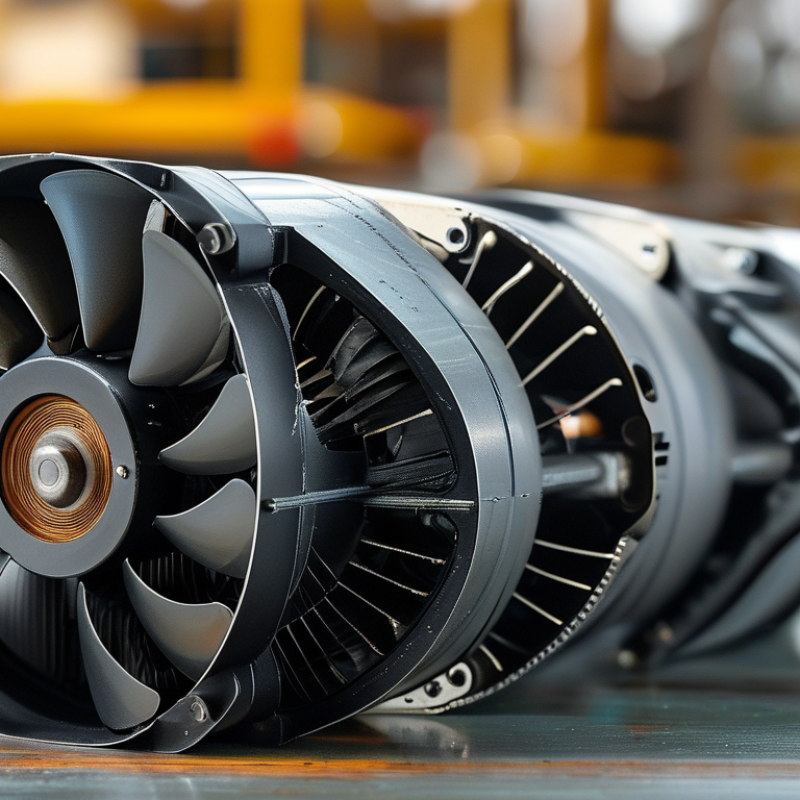
Motor cooling fan blades are crucial for maintaining optimal temperatures in various applications. Different types of blades cater to specific needs and environments. Blade designs vary significantly, impacting airflow and energy efficiency. Data from the International Energy Agency indicates that optimized cooling systems can reduce energy consumption by up to 30%.
Common types include straight blades and curved blades. Straight blades offer simplicity and are cost-effective. However, they often produce more noise and vibrations. Curved blades, in contrast, provide superior airflow and quieter operation. They are ideal for environments where noise reduction is essential. Reports suggest that users prefer quieter options for residential applications, making curved blades more popular in that sector.
The material used in blade construction also matters. Plastic blades are lightweight and resist corrosion but may not last as long as metal options. Stainless steel blades offer durability and strength, making them suitable for high-temperature environments. However, they can be more expensive. Each option presents its challenges. Buyers must weigh performance against costs and longevity to make the best decision. Understanding these differences can lead to informed choices in motor cooling applications.
Materials Used in Motor Cooling Fan Blade Construction
When it comes to motor cooling fan blades, the choice of material plays a crucial role in performance and durability. Common materials include plastic, metal, and composite materials. Each option has distinct advantages and limitations. For instance, plastic blades are lightweight and cost-effective. However, they may not withstand extreme temperatures as well as metal blades. Metal blades, often made from aluminum or steel, offer superior strength. Yet, they can add significant weight, impacting overall efficiency.
According to industry reports, around 65% of manufacturers prefer composite materials. These offer a blend of strength and lightness, making them ideal for various applications. The use of advanced composites can lead to reduced noise levels and increased airflow. Yet, the production of these materials often requires specific manufacturing processes that can be costly and time-consuming.
Another consideration is environmental impact. Many materials have different lifespans and recyclability options. For instance, while metal is largely recyclable, some plastics are not. This raises questions about sustainability in production practices. As the industry shifts towards greener solutions, alternative materials are emerging, posing challenges for traditional manufacturing methods. Selecting the best material requires a careful balance of performance, cost, and environmental considerations.
Factors to Consider When Selecting Fan Blades
When selecting motor cooling fan blades, several factors play a crucial role. The blade material is vital for durability and performance. Common materials include plastic, metal, and composite options. Each has unique properties affecting longevity and efficiency. For instance, plastic is lightweight and cost-effective, but may not handle extreme temperatures well. On the other hand, metal blades offer strength but can add significant weight.
The fan blade design is another key consideration. Different shapes impact airflow and noise levels. Curved blades can enhance airflow but may increase operational noise. Additionally, the blade pitch must be assessed. A higher pitch may improve airflow but can also lead to increased power consumption. Balancing these elements requires careful evaluation of the application and environment.
Efficiency and compatibility with existing systems are equally important. The right fan blade must fit the motor specifications, including speed and power requirements. A blade that doesn’t match can lead to inefficient cooling or mechanical failures. Understanding these details can prevent costly missteps. Continuously evaluating performance in real-world scenarios is essential for optimal outcomes.
Top Brands and Manufacturers of Cooling Fan Blades
When considering cooling fan blades, several top brands and manufacturers stand out for their quality and innovation. Industry reports indicate that the cooling fan market is expected to reach USD 10 billion by 2025, driven by rising demand across various sectors such as automotive, industrial, and HVAC. Companies specializing in cooling fan technology are focusing on material selection and blade design to enhance efficiency and durability.
One popular trend among manufacturers is the use of composite materials. These materials offer improved strength-to-weight ratios, allowing for lightweight yet robust blades. Reports highlight that blades made from such composites can improve airflow and noise reduction significantly. The demand for energy-efficient designs is also influencing production, with many firms investing in advanced aerodynamics.
Tips for selecting the right cooling fan blade include considering the application needs and environment. For example, some designs are optimized for high-speed applications, while others focus on quiet operation. Additionally, examine the maintenance requirements of different blade materials, as some may require more frequent upkeep. Ultimately, investing in quality cooling fan blades from reputable manufacturers enhances system reliability and performance.
Top 10 Motor Cooling Fan Blade Types for Global Buyers
| Blade Type |
Material |
Size (in inches) |
Weight (grams) |
Aerodynamic Efficiency (%) |
| Axial Fan Blade |
Plastic |
12 |
250 |
85 |
| Centrifugal Fan Blade |
Metal |
10 |
300 |
90 |
| Cross Flow Fan Blade |
Fiberglass |
14 |
350 |
80 |
| Mixed Flow Fan Blade |
Aluminum |
16 |
400 |
87 |
| Turbo Fan Blade |
Composite |
18 |
500 |
92 |
| Squirrel Cage Fan Blade |
Steel |
20 |
600 |
88 |
| Bladeless Fan Blade |
Plastic |
8 |
150 |
75 |
| Propeller Fan Blade |
Wood |
15 |
275 |
86 |
| Table Fan Blade |
Plastic |
12 |
220 |
82 |
| Wall Fan Blade |
Plastic |
14 |
300 |
84 |
Trends and Innovations in Cooling Fan Blade Design
In recent years, the demand for efficient motor cooling fan blades has surged. Innovations in design focus on optimizing performance and energy efficiency. Advanced materials like thermoplastics are increasingly used for their lightweight and durable properties. Reports indicate that these materials enhance airflow and reduce overall weight by up to 30%. As environmental concerns grow, using recyclable materials in fan blade production is becoming a trend.
Testing shows that blade shapes significantly influence airflow. Curved designs now dominate the market. This trend results from extensive engineering studies showing that specific angles can increase cooling efficiency by 15%. However, many manufacturers still rely on traditional designs, which may cause suboptimal performance in certain applications. The challenge is striking a balance between innovative designs and cost-effective manufacturing.
For buyers, understanding the latest developments is crucial. If choosing a cooling fan, consider compatibility with existing systems. Evaluate performance data thoroughly; this can prevent mismatches that hamper efficiency. Engaging with technical specifications ensures that you select blades that meet operational standards without exceeding energy consumption limits. Always keep abreast of emerging trends and assess whether new innovations truly enhance performance for your specific needs.



 Email
Email Whatsapp
 WeChat