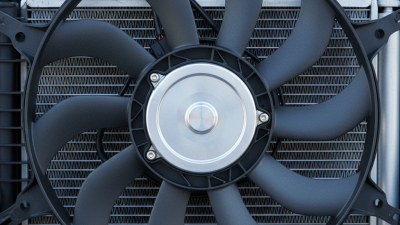
Best Motor Cooling Fan Blade Options for Global Buyers?
In today’s rapidly evolving market, selecting the right Motor Cooling Fan Blade is crucial for optimal performance. Industry expert Dr. Emily Tan emphasizes this point, stating, "A well-designed fan blade can significantly enhance efficiency and durability." As global buyers navigate various options, understanding the intricacies of fan blade designs becomes essential.
Motor Cooling Fan Blades play a vital role in cooling systems across different applications. Their impact on energy consumption and overall effectiveness cannot be overlooked. Many buyers often face confusion due to the multitude of choices available. Each option comes with its specifications, materials, and intended uses, making thorough research imperative.
Buying decisions can be daunting. Many factors contribute to the effectiveness of a Motor Cooling Fan Blade. Material quality, blade shape, and airflow efficiency all matter greatly. While many options may seem similar, some may not deliver the promised results. It’s essential to reflect on these choices and seek expert advice to ensure an informed purchase.
Types of Motor Cooling Fan Blades for Various Applications
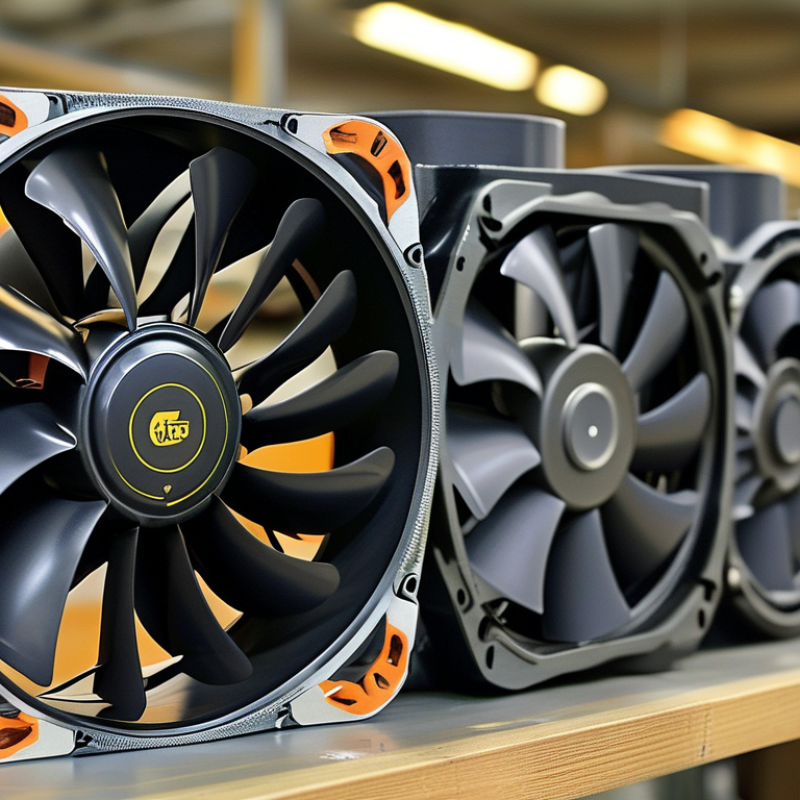
Motor cooling fan blades play a crucial role in various applications. They help maintain optimal temperatures in machinery and electronic devices. Different types of blades exist, each designed for specific environments and uses. Common types include axial and centrifugal fans. Axial fans move air parallel to the shaft. They are used in computers and HVAC systems. Centrifugal fans, on the other hand, draw air into the rotor and discharge it at a right angle. These are often found in industrial applications.
The material of the blades also greatly influences performance. Plastic blades are lightweight and cost-effective, making them popular for smaller devices. Metal blades offer durability and efficiency, suitable for heavy-duty machinery. However, metal can be heavier and may require more energy to operate. Balancing these factors is essential for optimal performance. A well-designed fan blade can increase airflow significantly, while a poorly designed one can lead to inefficiency.
Choosing the right fan blade requires consideration of several factors. Users must evaluate the environment where the fan will operate. High temperatures or corrosive substances might impact longevity. A fan good in one setting may underperform in another. It is crucial to understand that not all blades suit every application. Reflecting on these aspects can lead to better decisions in the long run.
Criteria for Selecting the Best Fan Blade Material
When selecting the best motor cooling fan blade, material choice is crucial. Different materials affect performance and durability. Common materials include plastic, metal, and composite options. Each has its advantages and drawbacks.
Plastic fan blades are lightweight and corrosion-resistant. They often feature intricate designs that enhance airflow. However, they may not withstand extreme temperatures. Metal blades provide excellent strength and can handle high levels of stress. Yet, they can be heavier and prone to rust without proper treatment. Composite materials combine the benefits of both, offering strength with less weight.
Evaluating the specific application is vital. Consider the operating environment and potential wear factors. A cooling fan in a high-heat area might need more robust materials. Reflecting on these decisions can guide buyers toward the ideal fan blades. Ultimately, understanding the properties and imperfections of materials leads to smarter choices.
Best Motor Cooling Fan Blade Options for Global Buyers
| Material |
Weight (kg) |
Temperature Resistance (°C) |
Durability Rating |
Price Range (USD) |
| Plastic |
0.5 |
60 |
Good |
10 - 15 |
| Aluminum |
1.2 |
150 |
Excellent |
25 - 40 |
| Polycarbonate |
0.7 |
120 |
Very Good |
15 - 25 |
| Stainless Steel |
1.5 |
250 |
Outstanding |
50 - 75 |
| Fiberglass |
0.9 |
180 |
Excellent |
30 - 50 |
Benefits of Using Plastic vs. Metal Fan Blades
When choosing between plastic and metal fan blades, several factors come into play. Plastic fan blades are lightweight, which helps improve efficiency. They often come at a lower cost, making them accessible for various budgets. Their resistance to corrosion is a key advantage. Plastic blades can withstand moisture without rusting, extending their lifespan in humid environments.
On the other hand, metal fan blades offer durability and strength. They can handle higher temperatures without warping. This makes them suitable for applications where heat management is crucial. However, metal blades can be heavier, which may affect motor performance. Damage to metal blades can also pose safety risks.
Both materials have their pros and cons. Plastic may not provide the same structural integrity as metal. Some users may find plastic blades less aesthetically pleasing. Conversely, while metal blades may perform better in extreme conditions, they often require careful handling. Evaluating these factors will help buyers make informed decisions based on their specific needs.
Top Global Brands Manufacturing Motor Cooling Fan Blades
When it comes to motor cooling fan blades, several global brands dominate the market. These manufacturers focus on improving efficiency and durability. According to recent industry reports, the market is projected to grow by approximately 4.5% annually, driven by increasing demand for cooling solutions in various sectors.
Key players invest heavily in research and development. They aim to innovate with lightweight materials and aerodynamic designs. This focus is crucial, as even minor design flaws can lead to overheating issues, which may compromise system efficiency. Consumers have reported issues with low-quality blades, highlighting the need for reliable options.
Manufacturers often face challenges in balancing cost and performance. While high-quality products can be more expensive, they typically offer a longer lifespan. This is vital for industries relying on continuous operation. Data suggests that a well-designed fan blade can enhance airflow by 30%, significantly affecting energy consumption. Therefore, selecting the right fan blade is crucial for performance and operational efficiency.
Motor Cooling Fan Blade Options Comparison
Installation and Maintenance Tips for Optimal Performance
When it comes to motor cooling fan blades, proper installation and maintenance are crucial for longevity and performance. Research indicates that an optimized fan blade can improve airflow efficiency by up to 30%. This statistic emphasizes the importance of choosing the right blade design tailored to your vehicle or application.
Installing the fan blade requires careful attention to detail. Ensure that the mounting points align correctly to prevent vibrations. According to the Global Automotive Cooling Systems Market report, improper installations can lead to a 20% decrease in performance over time. Regular inspections are essential. Check for signs of wear, cracks, or misalignments, as these can adversely affect cooling efficiency.
Maintenance should not be overlooked. Regularly cleaning the fan blade can prevent dirt build-up, which can reduce airflow. A clean fan can improve thermal efficiency, often leading to a noticeable difference in engine temperature regulation. Following these practices can ensure that the motor cooling fan blades operate at optimal levels, enhancing both performance and reliability. Regularly revisiting your installation method and maintenance routine could yield further improvements.



 Email
Email Whatsapp
 WeChat