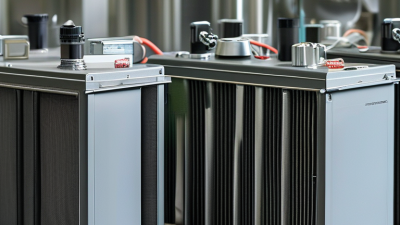





Choosing an air dryer filter starts with the compressed air’s real working conditions. A clean workshop line may still carry oil mist, rust, or water droplets. The right filter protects valves, sensors, tools, and finished products. It also helps the dryer operate with less contamination. Do not select a unit by pipe size alone. Check the compressor’s flow rate, operating pressure, inlet temperature, and required air quality. Small details matter. A filter rated for 1,000 L/min may perform poorly when demand rises above its tested conditions. That mismatch can cause pressure loss and unstable equipment.
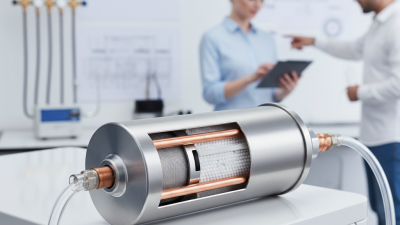
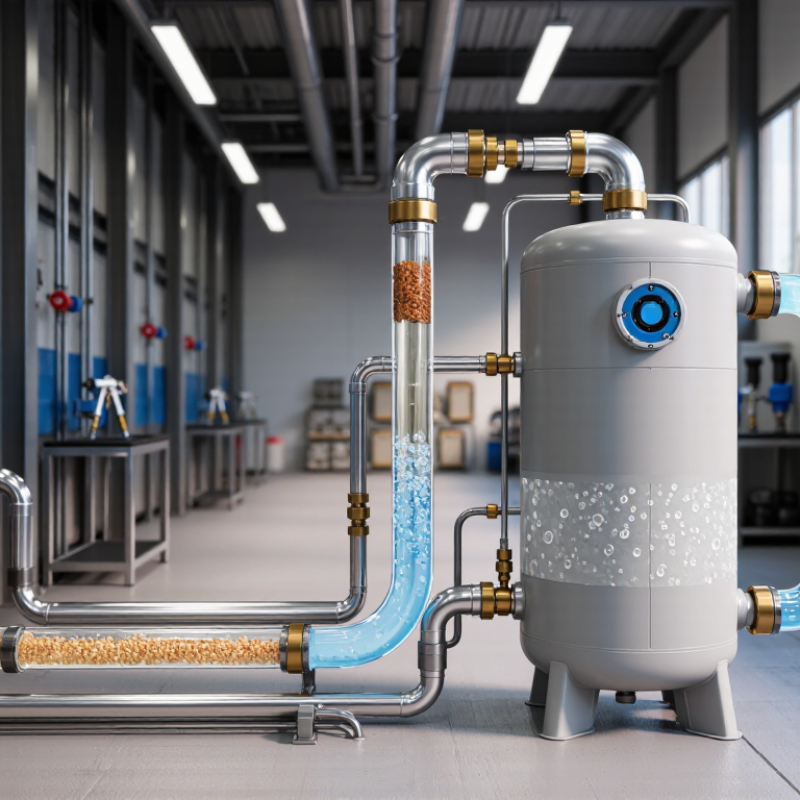
Match filtration stages to the contaminant risk. A water separator handles bulk liquid, while a coalescing filter targets fine oil aerosols. A particulate filter removes solid debris. If the air contacts paint, food packaging, or instruments, consult the applicable air-quality standard and equipment manual. Use a filter with compatible seals and housing materials. The drain deserves equal attention. Automatic drains reduce standing water, but they still need inspection. During maintenance, record differential pressure and replace elements before flow becomes restricted. Waiting for a visible problem is often too late. A clear sight glass helps, but it can create false confidence.
When comparing models, review rated flow, pressure drop, element life, drain type, service access, and replacement availability. Ask for test conditions behind the performance data. Numbers without conditions can mislead. In one practical review, a lower-cost filter looked suitable until its pressure drop increased sharply near peak demand. The purchase seemed efficient, yet the compressor worked harder. I would also leave a modest capacity margin, although the ideal margin depends on future expansion. Oversizing is not automatically better; it may waste money and space. Recheck the choice after seasonal temperature changes or process upgrades.