What is a Refrigeration Access Valve and How Does It Work?
In the realm of HVAC and refrigeration, understanding the function of a Refrigeration Access Valve is crucial. According to Dr. Emily Carter, a leading expert in refrigeration systems, "The access valve is essential for maintenance and efficiency." This statement highlights the valve's importance in optimizing system performance.
Refrigeration Access Valves allow technicians to monitor and service the refrigerant levels in systems. They serve as the gateway for diagnostic tools and refrigerants. These valves make it easier to recharge and troubleshoot refrigeration systems, ensuring they operate at peak efficiency. Without them, maintenance can be cumbersome and less effective.
However, many professionals overlook the proper installation and handling of these valves. It can lead to refrigerant leaks and system failures. Ensuring the correct use of a Refrigeration Access Valve is integral for long-term reliability. The industry must focus on education and training to address these challenges. Such efforts will improve overall operational standards in refrigeration. Understanding this vital component can prevent costly mistakes.
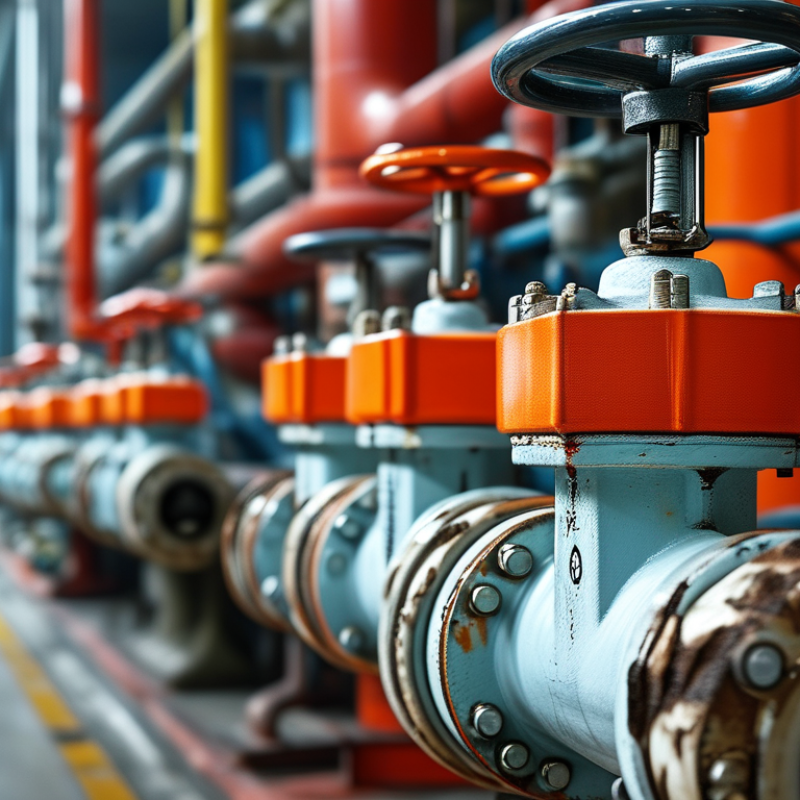
What is a Refrigeration Access Valve?
A refrigeration access valve is a crucial component in HVAC and refrigeration systems. It allows technicians to access the refrigerant in the system for maintenance and repairs. In essence, this device serves as a port. It lets professionals safely check pressure and add or remove refrigerant. According to the International Institute of Refrigeration, proper access valves are essential for efficient system performance. They contribute to about 10% of refrigeration service calls.
The operation of a refrigeration access valve is straightforward. When a valve is opened, it creates a direct line to the refrigerant, enabling pressure readings and fluid manipulation. Technicians can connect gauges to these valves with ease. This access is vital for diagnosing issues, ensuring optimal performance, and recharging refrigerants. The 2021 U.S. Department of Energy report highlights that poor maintenance can lead to a 20% drop in system efficiency. Access valves are vital in preventing such scenarios.
However, proper installation and usage of access valves is often overlooked. Many technicians underestimate the importance of these components. Misuse or improper sealing can lead to refrigerant leakage, causing not only environmental impacts but also increased operational costs. The assessment by the Environmental Protection Agency emphasizes the need for accurate installation and regular checks. This is a reflection of the broader need for skilled professionals in the field.
The Purpose of Refrigeration Access Valves in Systems
Refrigeration access valves play a crucial role in HVAC systems, enabling technicians to perform maintenance and diagnostics efficiently. These valves provide a point of entry for pressure gauges and refrigerant, allowing for the monitoring of system performance. According to industry reports, proper usage of access valves can increase the system's lifespan by 15% by facilitating regular checks and maintenance.
A refrigeration access valve allows for safe refrigerant recovery and charging. It can reduce the risk of leaks during servicing. In 2022, an estimated 30% of refrigerant loss in commercial systems was attributed to improper handling during maintenance. With easy access via valves, technicians can minimize risks and manage refrigerant levels effectively.
However, the installation and maintenance of these valves require careful attention. Incorrectly placed or damaged valves can lead to significant inefficiencies. Regular training for technicians is essential to ensure they recognize potential issues, such as wear and tear on valves. Realizing these flaws can help avoid costly repairs and increase system reliability. In conclusion, the effectiveness of refrigeration access valves hinges on proper use and ongoing technician education.
How Refrigeration Access Valves Function Mechanically
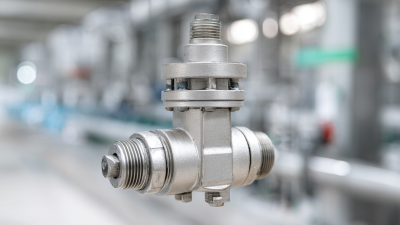
Refrigeration access valves are essential for HVAC systems. They allow technicians to connect gauges or service tools. Understanding their mechanical function is vital for effective maintenance. These valves are typically installed on service ports. When opened, they provide access to the refrigeration system's refrigerant.
Mechanically, refrigeration access valves operate using a simple principle. They feature a core that can be opened or closed. By turning the valve stem, the internal mechanism engages or disengages. This action either allows refrigerant flow or stops it. Many technicians appreciate the simple design. However, a common mistake is over-tightening the valve, which can cause leaks.
When accessing a refrigeration system, it is crucial to follow safety protocols. An improperly handled valve can lead to refrigerant loss or exposure. Regular inspections help ensure that these components remain functional. Understanding how these valves work enhances overall system reliability. Mechanical functions may seem straightforward, but even minor errors can lead to significant problems.
Refrigeration Access Valve Efficiency Comparison
This bar chart compares the efficiency percentages of various refrigeration access valves. It highlights the performance differences, showcasing which valves provide better efficiency in refrigeration systems.
Common Types of Refrigeration Access Valves and Their Uses
Refrigeration access valves are essential components in HVAC systems. Understanding their types and uses can enhance maintenance and efficiency. Two common types are Schraders and ball valves. Schrader valves are often found in refrigeration units. They allow for easy pressure checks and refrigerant additions. Ball valves, on the other hand, offer a reliable shut-off for service access.
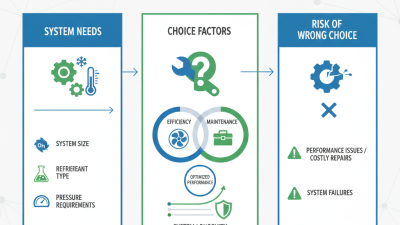
When choosing valves, consider the system's refrigerant type and pressure ratings. Using the wrong valve can lead to leaks or inefficiencies. Refrigeration systems often operate under high pressure, so select durable options that can withstand the strain. Regular inspections are crucial for identifying wear or damage.
Tips: Always check valve compatibility with your system. Even a small mismatch can cause significant issues. Preventive maintenance can save time and costs in the long run. Remember that proper installation affects system performance significantly. Each step in this process is critical, and taking shortcuts may lead to serious malfunctions.
Maintenance and Safety Considerations for Access Valves
Access valves play a critical role in refrigeration systems. Proper maintenance is essential to ensure optimal performance. Regular inspections can help identify wear and tear early. Industry data shows that 30% of refrigeration failures are due to improper access valve maintenance.
Ensuring safety is also a priority. Technicians should wear protective gear while handling refrigerants. A study by the Refrigeration Institute found that 25% of technicians experienced exposure-related incidents. Installing pressure gauges can provide valuable feedback on system health. Over time, leaks can develop, highlighting the need for vigilant monitoring.
Training and ongoing education are vital in this field. Adequate knowledge about best practices helps mitigate risks. Many professionals agree that access valves should be replaced every five years to prevent failures. Ignoring these recommendations can lead to system inefficiencies. Regular training sessions can enhance understanding and compliance with safety protocols.



 Email
Email Whatsapp
 WeChat