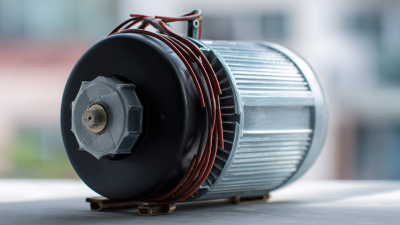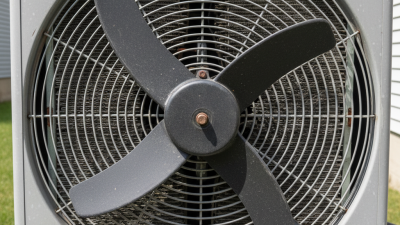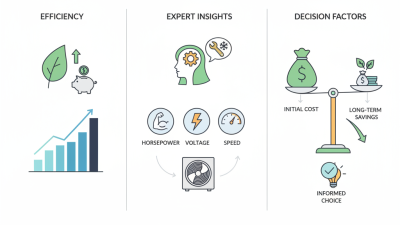


The HVAC industry continues to evolve, with a focus on efficiency and sustainability. The HVAC Condenser Fan Motor plays a critical role in this change. According to a report by Markets and Markets, the global HVAC system market is projected to reach $240.8 billion by 2024. This highlights the growing demand for high-quality components like condenser fan motors.
A reliable HVAC Condenser Fan Motor is essential for optimal system performance. It influences energy consumption and indoor air quality. A poorly selected motor can lead to higher operational costs and frequent repairs. Studies indicate that up to 30% of HVAC energy use is affected by motor efficiency. Hence, importers must invest time in understanding motor specifications and manufacturer reputations.
Moreover, the variety of available models can be overwhelming. Many factors come into play, such as voltage, speed, and environmental conditions. Importers often overlook these details, leading to challenges in installation and maintenance. Therefore, exploring these top ten buying tips will provide a more informed approach to selecting the right HVAC Condenser Fan Motor.
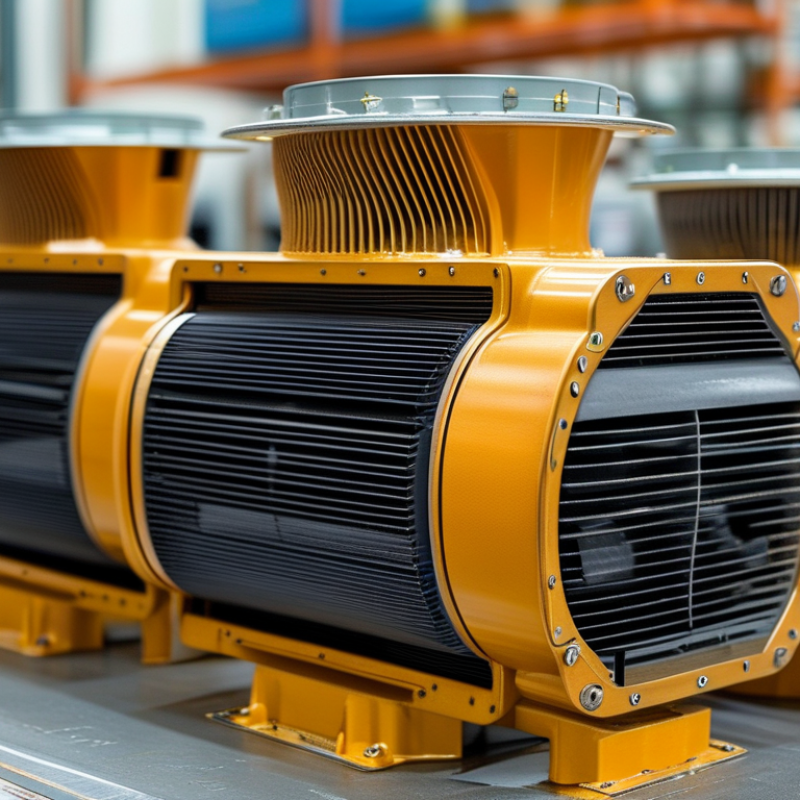
When importing HVAC condenser fan motors, understanding their specifications is crucial. The right specifications ensure optimal performance and energy efficiency. For instance, common voltage ratings range from 115V to 230V. Proper voltage selection is vital. A mismatch can lead to overheating and reduced lifespan.
Another important specification is the motor's RPM, typically between 1500 and 3000. Higher RPMs provide better airflow but may increase noise levels. It's essential to strike a balance based on application needs. Additionally, power consumption should be monitored. Motors with a high efficiency rating can save significant energy costs over time. Reports indicate that energy-efficient motors can reduce energy use by up to 30%.
Importers should consider the type of bearings as well, as they affect both performance and maintenance. Common options include sleeve bearings and ball bearings. Sleeve bearings are quieter but may require more frequent replacement. On the other hand, ball bearings last longer but can be noisier. Understanding these specifications helps importers make informed decisions, ensuring long-term performance and reliability in their HVAC systems.
When searching for reliable HVAC condenser fan motor manufacturers and suppliers, focus on their industry experience. A provider with a solid track record will often deliver better quality. Investigate how long they have been in the HVAC market. Companies with years of experience typically have refined their processes and understand customer needs.
Check if the manufacturer holds relevant certifications. Certifications reflect adherence to industry standards. They assure importers of product quality and safety. Reading reviews from previous customers can offer insight into the supplier's reputation. Look for feedback on their product performance and after-sales service.
Visiting the supplier's facility can provide valuable information. Observing their production process and quality control measures helps gauge their capabilities. Communicate with their team about your specific requirements. This dialogue can reveal if they are adaptable and responsive. Be aware of suppliers who may promise quick results without understanding your needs; this often leads to subpar products.
| Tip | Description | Criteria | Importance |
|---|---|---|---|
| 1. Manufacturer Reputation | Look for manufacturers with a proven track record in the HVAC industry. | Years in Business, Customer Reviews | High |
| 2. Product Quality | Ensure the motors are made with high-quality materials. | Material Specifications, Testing | High |
| 3. Energy Efficiency | Choose motors that meet or exceed energy efficiency standards. | Energy Star Rating, Efficiency Tests | Medium |
| 4. Warranty Terms | Check the warranty offered on the motors. | Length of Warranty, Coverage Details | Medium |
| 5. Supplier Communication | Evaluate the responsiveness and clarity of the supplier's communication. | Response Time, Clarity | High |
| 6. Pricing Structure | Analyze the pricing model and compare it with competitors. | Cost Comparison, Hidden Fees | Medium |
| 7. Delivery Capabilities | Assess the supplier's ability to meet delivery deadlines. | Lead Time, Shipping Options | High |
| 8. After-Sales Support | Inquire about servicing and support options post-purchase. | Technical Support, Service Availability | Medium |
| 9. Compliance with Standards | Verify that motors meet regulatory and safety standards. | SAA, CE Certifications | High |
| 10. References and Recommendations | Seek references from other customers to evaluate reliability. | Customer Feedback, Case Studies | High |
Energy efficiency is a crucial factor when selecting condenser fan motors. Industry reports indicate that motors with high energy efficiency ratings can save up to 30% in energy costs. This is particularly important as energy prices continue to rise. Importers should prioritize energy-efficient models, aligning with global sustainability goals.
Evaluating energy efficiency involves understanding the ratings from recognized standards. For instance, the Department of Energy outlines that machines exceeding a certain efficiency level can offer significant savings over their lifespan. Despite higher initial costs, these motors often lead to lower operational expenses. It is essential to compare the specifications of different models to make informed decisions.
However, not all high-rated motors will suit every application. Some may underperform in real-world conditions, leading to unexpected failures. Importers often overlook compatibility issues between motors and their systems. It’s advisable to consult with electrical engineers or experts before making final choices. This ensures that the investment in energy efficiency translates into reliable performance.
When importing HVAC condenser fan motors, understanding regulations is crucial. Compliance with local and international standards ensures safety and efficiency. Importers must research the specific guidelines applicable in their destination country. Each region may have unique requirements regarding energy efficiency, noise levels, and environmental impact.
Documentation is key in the import process. Obtain necessary certificates for quality and compliance. These documents might include safety certifications and energy efficiency ratings. Failure to provide proper documentation can lead to delays or fines. Engaging with a qualified customs broker can simplify this task and reduce potential errors.
It’s also important to stay updated on changing regulations. Standards can evolve due to policy changes or technological advancements. Regular updates on compliance requirements can save time and resources in the long run. Always assess supplier credentials. A reliable supplier should understand these compliance standards. If they lack certification knowledge, reconsider your partnership. Building a trustworthy supply chain is vital for successful import operations.
When buying HVAC condenser fan motors, warranty and after-sales support are critical factors. These components are vital for system efficiency and durability. A good warranty protects your investment. Seek motors offering extended warranties, covering parts and labor.
Look for manufacturers who prioritize customer service. Responsive support teams can make all the difference. They help with troubleshooting and spare parts availability. It’s also essential to inquire about their return policy. A fair return option provides peace of mind, reflecting the company's confidence in their products.
Consider past customer reviews about warranty experiences. This insight can highlight the reliability of after-sales support. Don't hesitate to ask about maintenance recommendations; proactive care can extend a motor's lifecycle. Understanding warranty terms is vital for making an informed purchase. Ultimately, well-supported systems lead to efficiency and reduced downtime.