

Refrigeration systems depend on small components that must perform reliably under pressure, vibration, and repeated service. An Access Valve For Refrigeration provides a controlled point for charging, pressure measurement, and maintenance. Its dimensions may be modest. Its consequences are not.
The International Energy Agency’s The Future of Cooling report projects that global air-conditioner stock could grow from about 1.6 billion units in 2018 to 5.6 billion by 2050. It also warns that cooling-related electricity demand could more than triple without stronger efficiency measures. These figures describe a broad cooling trend, not access-valve sales. Still, they show why dependable components and careful supplier selection matter across expanding refrigeration applications.
This Top 10 Access Valve for Refrigeration Suppliers guide focuses on practical purchasing checks: pressure and temperature ratings, compatible refrigerants, connection types, materials, leak-testing procedures, and product documentation. Buyers should also verify manufacturing consistency, traceability, and technical support, rather than relying on catalog claims alone. Small details count. A poorly matched connection can complicate installation, while unclear specifications can delay a repair. Supplier rankings are never perfect; availability and application requirements differ by region and system. Use the list as a starting point, then confirm each valve against equipment specifications and current manufacturer data.
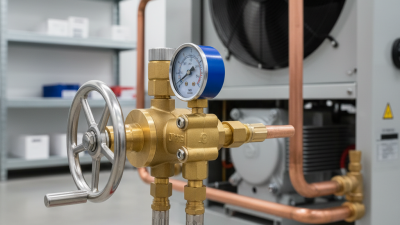
An access valve creates a controlled service point for measuring pressure, checking system operation, or connecting approved service equipment. It may use a threaded port with a valve core, or another design specified for the refrigeration circuit. The connection must match the refrigerant, pressure range, tubing, and service procedure. During diagnosis, technicians often compare pressure readings with temperature and operating conditions; a gauge reading alone can mislead. A valve cap helps protect the connection, but it should not be treated as a replacement for a sound valve core. Small details matter.
Tips: Confirm the valve’s pressure and temperature ratings before installation. Keep dirt and moisture away from open connections. Use the specified sealing method, then check for leaks with an appropriate procedure. Do not overtighten; damaged threads can turn a simple service point into a repair. Check the cap, too.
Placement affects access and reliability. A valve should be reachable for service without putting tubing under strain or exposing it to avoidable heat and vibration. After service, restore the system according to equipment guidance and verify stable operation. In practice, layouts are not always tidy, and a technically correct location can still be awkward to reach. That is worth reconsidering during installation, before the surrounding components make access difficult.
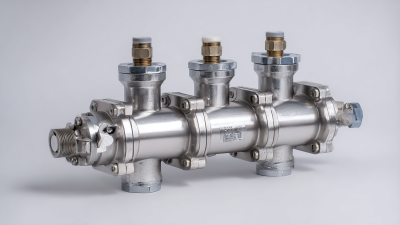
When evaluating refrigeration access valve suppliers, look beyond catalog photos and unit price. Ask for pressure and temperature ratings, compatible refrigerants and oils, connection dimensions, and material specifications. These details should match the system design, not just a familiar product description. Small mismatches matter.
Request sample inspection and documented leak-test procedures. Check how the supplier controls machining, sealing surfaces, and thread quality. Ask whether test records and material traceability are available for the valve type you plan to buy. Ask for evidence. A polished certificate is useful, but it does not replace clear answers about inspection methods and acceptance criteria. If possible, compare a sample against your drawings and gauge the connections yourself.
Reliable suppliers explain lead times, packaging, and how they handle defects or specification changes. Their technical staff should answer practical questions without guessing. A short trial order can reveal consistency across batches, though one successful sample proves little. That takes time. I would not treat the lowest quote as the best value; repeat delays or unclear documentation can cost more than a small price difference. Supplier evaluation is rarely perfect, so record what remains uncertain before committing to a larger order.
Choosing among the top 10 access valve suppliers for refrigeration takes more than comparing unit prices. A dependable supplier should provide clear specifications for pressure range, temperature limits, connection size, and compatible refrigerants. These details help prevent mismatches when a valve is installed on a service line or compact cooling unit.
Ask whether each valve includes a protective cap and documented leak-test results. A small missing detail can cause delays during installation.
Compare suppliers on production consistency, technical support, and delivery reliability. Request sample parts and inspect the threads, brazed joints, and cap fit before placing a large order.
Check that drawings match the supplied product, and ask how material batches are tracked. Some suppliers may offer attractive pricing but provide vague answers about testing. That is worth questioning.
A “top ten” ranking can look exact, yet availability and support often matter more than rank.
Tips: Send suppliers your operating conditions and connection dimensions. Ask for written confirmation, not just a verbal estimate. Keep one sample for fit checks. Even careful comparisons can miss a detail, so review the first shipment before routine use.
When comparing access valve suppliers, look beyond catalog dimensions. Check connection type, body material, seal compatibility, and rated pressure and temperature against the system’s refrigerant and operating conditions. Ask for drawings and documented pressure-test results. A valve may look suitable on paper, yet a mismatched seal can cause trouble during service. Small details matter.
Compare standards carefully. Request certificates, then confirm they cover the specific product and manufacturing site—not just the company’s general quality system. Ask how each supplier controls batch traceability and handles nonconforming parts. Support matters too: useful suppliers provide clear installation guidance, replacement-core availability, and timely answers from technically trained staff. A polished brochure is not evidence by itself; response quality can vary, and that deserves scrutiny.
Tips: Send suppliers the same operating conditions and connection requirements. Compare written answers side by side. Check whether protective caps stay secure during shipping, and ask how spare parts are identified. Keep the questions practical. If a claim is unclear, request the test method or supporting document. Buyers sometimes overlook service access until maintenance day—an easy mistake, but an avoidable one.
Comparison of ten common supplier types and access-valve offerings—not a ranking of named companies. Connection options and ratings vary by model. Confirm refrigerant compatibility, pressure-temperature limits, dimensions, and applicable requirements in the supplier’s current product documentation before purchase.
| No. | Generic Supplier Type | Common Access-Valve Offering | Typical Connection or Configuration | Common Application | Standards and Documentation to Check | Support to Request |
|---|---|---|---|---|---|---|
| 1 | Refrigeration component distributor | Replaceable-core access fitting with service cap | Often a 1/4-inch SAE flare service connection; fitting ends vary by model | Service access on refrigeration piping and equipment | Product data sheet, rated working pressure, temperature range, refrigerant compatibility, and applicable valve test or marking requirements | Cross-reference help, stock availability, and replacement-core guidance |
| 2 | HVAC and refrigeration wholesaler | Schrader-core access fitting or service port | Common service-port sizes include 1/4-inch and 5/16-inch SAE flare; confirm the equipment connection | Pressure measurement, evacuation, and charging through a compatible service connection | Connection specifications, core and cap details, pressure rating, and refrigerant suitability | Compatibility checks for hoses, gauges, cores, and caps |
| 3 | Refrigeration tubing and fittings supplier | Braze-on access fitting with service port | Available with different tube-end sizes and port arrangements; confirm the tube outside diameter and joining method | Permanent access points on copper refrigeration lines | Material specifications, brazing instructions, pressure-temperature limits, and applicable system requirements | Tube-size selection and installation guidance, including protection of the valve core during brazing |
| 4 | Industrial valve supplier | Threaded access valve or access fitting | May use a specified pipe thread, such as 1/4-inch NPT; verify thread type and gender before ordering | Equipment or piping where a threaded connection is designed into the assembly | Thread standard, sealing method, pressure rating, materials, and product test documentation | Thread identification, sealing recommendations, and dimensional drawings |
| 5 | Automotive air-conditioning parts supplier | Low-side or high-side service-port fitting | Port size and design are application-specific; 5/16-inch SAE service connections are common on some systems | Vehicle air-conditioning service; not interchangeable with every stationary refrigeration port | Vehicle application, refrigerant compatibility, pressure rating, and applicable mobile air-conditioning requirements such as SAE J639 where relevant | Application lookup, port identification, and service-tool compatibility |
| 6 | Commercial refrigeration service-parts supplier | Access fitting with replaceable core and protective cap | Flare, braze, or other equipment-specific ends; check the original equipment connection | Commercial display cases, condensing units, and other serviceable systems | Refrigerant and lubricant compatibility, rated limits, cap sealing details, and equipment documentation | Parts matching, core replacement information, and service-kit availability |
| 7 | Cold-room and industrial refrigeration supplier | Heavy-duty access connection or service valve assembly | Connection style and size depend on pipework design and system pressure class | Industrial plants, cold rooms, and larger refrigeration systems | Documented design pressure, material suitability, applicable system rules such as EN 378 or ISO 5149, and valve test records | Engineering review, pressure-class selection, and installation documentation |
| 8 | OEM and equipment-parts supplier | Equipment-specific service valve or access-port assembly | May combine a service port with an equipment-specific body or connection | Replacement or servicing of a particular refrigeration unit | Equipment model compatibility, approved refrigerant, manufacturer instructions, and component ratings | Model and serial-number lookup, installation instructions, and approved replacement-part identification |
| 9 | Refrigerant-system service-tool supplier | Core-access fitting or service-port accessory used with compatible tools | Connection must match the system port and service hose; verify thread, size, and sealing surface | Service work requiring connection to an existing access port | Tool and fitting pressure limits, refrigerant compatibility, and manufacturer safety instructions | Tool compatibility, safe connection procedures, and seal or core replacement options |
| 10 | Custom refrigeration assembly supplier | Configured access fitting, such as a specified port with selected tube ends | Defined by the order drawing; confirm dimensions, materials, joining method, and port configuration | Special equipment, packaged systems, or assemblies with non-standard layouts | Approved drawings, material traceability if required, rated limits, leakage-test records, and relevant system standards | Pre-production drawing approval, sample inspection, and documented change control |
Top 10 Access Valve for Refrigeration Suppliers
Choosing a supplier means checking more than price and delivery time. Access valves must match the refrigerant, pressure range, connection type, and operating temperature in your system. Ask for material specifications, pressure-test records, and traceable batch documentation. These details matter when a valve sits behind a service panel and a leak is difficult to spot. The IEA’s The Future of Cooling (2018) estimates that global space-cooling electricity demand could rise from 2,000 TWh to 6,200 TWh by 2050. UNEP’s Global Cooling Watch 2023 also projects cooling capacity to more than triple by 2050. Growing demand makes dependable components and support increasingly important.
Tips: Request a sample, then verify its dimensions and seals against your system drawings. Check whether replacement cores and technical support will remain available. A low quote can be persuasive. It is not the whole decision.
Compare suppliers using consistent criteria: documented testing, clear lead times, responsive engineering support, and a practical warranty process. Ask how they handle a rejected batch and whether they can identify a valve lot from its markings. For critical installations, confirm compatibility with the specified refrigerant rather than relying on a generic product description. One detail is easy to overlook: a valve may pass inspection yet still be awkward to service in a cramped plant room. Review that access before ordering. Supplier claims are useful, but verifiable records are better.
Suggested evaluation weights for comparing refrigeration access valve suppliers. Apply the same criteria to each of your shortlisted suppliers.
The percentages are an illustrative procurement framework, not measured market research or supplier ratings. Confirm refrigerant compatibility, rated pressure and temperature, connection type, and applicable certifications against your system requirements.