How to Choose a Refrigeration Access Valve in 2026?
Choosing a Refrigeration Access Valve in 2026 requires more than matching pipe size. The correct choice affects service speed, refrigerant containment, pressure safety, and long-term system reliability. A valve may look suitable on a specification sheet, yet fail during a cold, rushed maintenance call. Small details matter.
Andy Pearson, a refrigeration engineer and industry commentator, offers a practical reminder: “A service valve must protect the system before it helps the technician.” That principle remains highly relevant. A dependable Refrigeration Access Valve should match the refrigerant, working pressure, temperature range, connection type, and installation environment. It should also provide smooth access for recovery, charging, measurement, and leak testing. Check the manufacturer’s pressure ratings carefully. Do not rely on appearance alone.
This guide examines the decisions behind a reliable selection. It considers brazed, threaded, and piercing designs, along with core-removal options and cap security. It also explores compatibility with newer refrigerants, including lower-global-warming-potential alternatives. Material quality deserves attention too. A thin body or poorly protected Schrader core can create trouble beside a vibrating compressor.
Field experience changes the decision.
A valve installed near a hot discharge line needs different consideration from one placed inside a refrigerated cabinet. Space, tool clearance, corrosion, vibration, and future access all matter. Even experienced technicians can overlook one of these factors. That is worth admitting. The best selection process combines manufacturer documentation, installation experience, and a careful review of the actual service conditions.
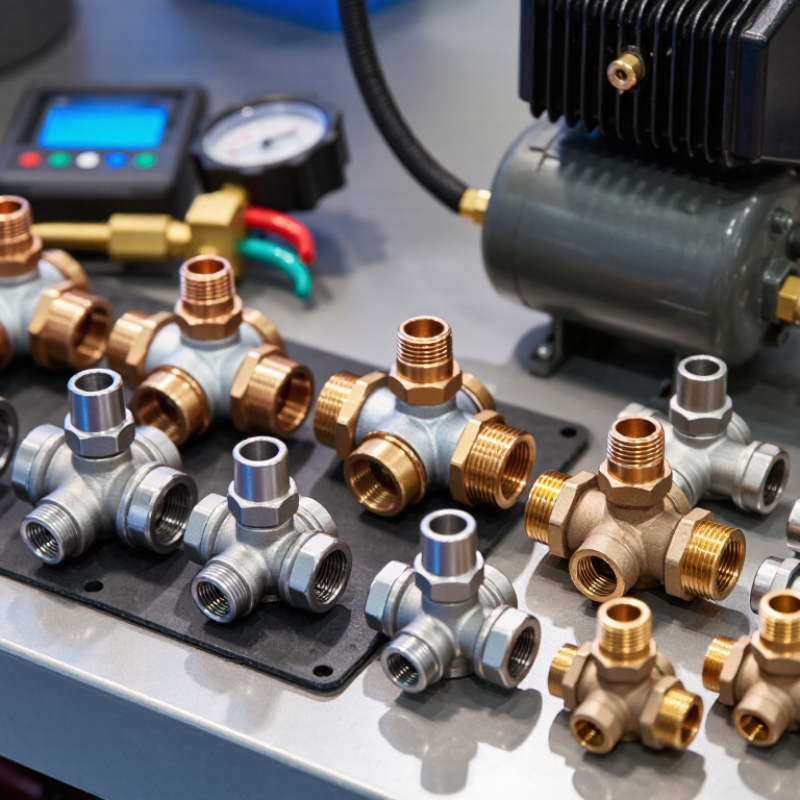
What Is a Refrigeration Access Valve?
A refrigeration access valve is a controlled entry point into a sealed cooling system. It allows technicians to measure pressure, add or recover refrigerant, and isolate part of the circuit during service. Many valves include a Schrader-style core, a cap, and seals designed for repeated pressure changes.
The valve does not cool the system by itself. It supports accurate diagnosis and safer maintenance. During field inspections, technicians often find leaking caps, damaged cores, or valves installed on unsuitable tubing.
Small faults matter. A slow leak can distort pressure readings and reduce system performance.
When choosing one in 2026, check refrigerant compatibility, working pressure, temperature range, connection size, and seal material. Newer low-impact refrigerants may require different pressure ratings or installation practices. A piercing valve can suit temporary testing, while a brazed or threaded valve is generally better for permanent service access. Verify the technical data, not only the package label. A neat label is not proof.
The valve should also fit the available tools and installation space. Tight cabinets can make cap removal difficult. Poor access encourages rushed work. I have seen otherwise suitable valves fail because installers ignored vibration or tubing movement. That detail is easy to miss. A reliable choice balances system pressure, service frequency, installation method, and long-term leak resistance.
Which Valve Type Fits Your Refrigeration System?
How to Choose a Refrigeration Access Valve in 2026?
Choosing the right valve depends less on appearance than service purpose. For routine charging, pressure checks, and evacuation, a replaceable-core Schrader access valve often suits compact systems. It works with common service hoses and allows core replacement without cutting tubing. Select a valve rated for the system’s maximum pressure, refrigerant, and temperature range. A cheap mismatch can become an expensive leak.
For permanent service points on larger commercial equipment, a solder-in or brazed access valve usually provides stronger mechanical security. Use a ball service valve when technicians need positive shutoff during compressor replacement or system isolation. A piercing valve suits temporary diagnostics on a sealed copper line, but it should not become a permanent repair. Vibration, corrosion, and seal aging deserve attention. Small details matter.
Match the connection size to the actual tube, not a similar drawing. Check whether the valve uses a Schrader core, flare connection, or brazed joint. Confirm gauge access before installation; a valve hidden behind insulation is frustrating to service. After fitting, pressure-test with an approved inert gas, then inspect for bubbles or pressure loss. I have seen installers choose the smallest convenient valve and regret it later. The better choice is sometimes less convenient. Record the refrigerant, pressure rating, installation date, and leak-test result for the next technician.
How to Match Valve Size, Materials, and Connections
How to Choose a Refrigeration Access Valve in 2026?
Valve selection starts with the connection, not the catalog picture. Measure the tube outside diameter with calipers. Then identify the service-port thread and fitting type. A 1/4-inch flare connection is not interchangeable with a 1/4-inch braze fitting. Check the valve’s pressure rating at the system’s highest operating temperature. ASHRAE Handbook—Refrigeration 2022 stresses pressure integrity, refrigerant compatibility, and proper installation practices.
Size the valve for its real function. An access valve may serve charging, pressure testing, or temporary recovery work. It may not match the main liquid-line diameter. Oversizing can increase cost and dead volume. Undersizing can restrict tools and reduce service access. IEA’s The Future of Cooling projects global space-cooling energy demand will more than triple by 2050. Small selection errors may become repeated maintenance problems across larger equipment fleets.
Material choice deserves equal attention. Brass suits many common systems, but stainless steel offers stronger corrosion resistance in harsh rooms. Confirm compatibility with the refrigerant, lubricant, seals, and temperature range. Copper tubing needs clean, properly prepared brazed joints. Threaded connections need suitable sealing methods and controlled torque. I still recheck every connection after installation; visual confidence is not enough. Standards such as ISO 5149 and EN 378 provide useful safety references, but site conditions can expose weaknesses that a datasheet misses.
How to Evaluate Safety, Installation, and Maintenance Needs
How to Choose a Refrigeration Access Valve in 2026?
How to Evaluate Safety, Installation, and Maintenance Needs
A suitable access valve begins with the system’s working pressure and refrigerant type. Check the valve body, seals, and temperature range against the equipment data. Do not rely on appearance alone. A compact valve may still have weak threads or unsuitable internal materials. During field inspections, I also check vibration, tubing alignment, and nearby heat sources. These details often reveal risks that specifications overlook. Confirm the connection size before ordering. A small mismatch can damage threads and create a slow leak.
Installation requires controlled pressure and clean tools. Recover refrigerant when required, isolate the circuit, and follow approved service procedures. Keep the tube end dry and free from copper particles. Use the specified torque, but avoid overtightening. It can deform a seal. After installation, pressure-test the joint with an appropriate method and inspect it with a leak detector. Do not skip the valve cap; it provides a second barrier against leakage. Maintenance should include checking the cap seal, corrosion, rubbing, and signs of oil around the joint. I have seen technicians replace the valve but ignore a damaged cap. That mistake deserves reflection. Record inspection dates, test results, and unusual pressure changes. A checklist helps, but it cannot replace careful observation. Safety comes from both.
How to read this chart: Safety and pressure-temperature compatibility receive the highest priority because an access valve must remain within the refrigeration system’s rated operating limits. Maintenance access and refrigerant compatibility are also critical for leak prevention and service reliability, while installation effort helps compare practical field requirements. The scores are a normalized evaluation scale from 0 to 10, not manufacturer ratings.



 Email
 Whatsapp

 WeChat