2026 How to Choose the Best HVAC Copper Fittings for Your Needs?
In the world of HVAC installations, selecting the right copper fittings is crucial. According to industry expert John Smith, “Choosing the right HVAC copper fittings can significantly affect the efficiency of your system.” With various options available, it can be overwhelming to make a decision.
HVAC copper fittings come in different sizes and designs. Each type serves a specific purpose in system functionality. For example, sweat fittings are essential for creating strong, permanent connections. It is also important to consider the quality of the copper itself. High-grade copper resists corrosion and ensures a longer lifespan for your HVAC system.
Many installers often overlook the importance of compatibility. Not every fitting will work with all types of pipes. A mismatched fitting can lead to leaks and costly repairs. Therefore, understanding your system's specific requirements will guide you in choosing the best HVAC copper fittings. Aim for professionalism and reliability when making your selection.
Understanding HVAC Copper Fittings and Their Applications
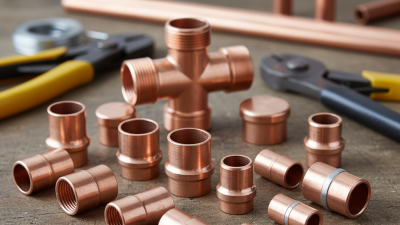
HVAC copper fittings are essential in heating, ventilation, and air conditioning systems. They connect pipes and ensure efficient fluid flow. Understanding their applications helps in selecting the right fittings. Different types serve unique purposes. For example, elbows allow for directional changes in piping. Tees enable branching off to multiple lines.
When choosing these fittings, consider material quality. Not all copper is equally durable. Thin-walled fittings might be cheaper but can corrode or leak. Look for fittings that meet industry standards to avoid future issues. The right size is also crucial. Improper sizing can lead to pressure drops. This can affect system efficiency.
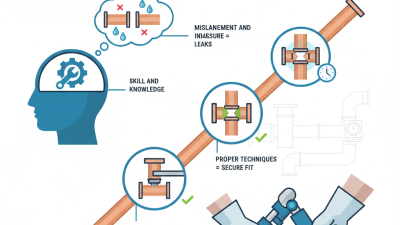
Installation is an area where many overlook detail. Proper soldering is important to avoid leaks. Mistakes during installation can lead to costly repairs. Experience and knowledge in handling HVAC systems matter greatly. It's a complex field where precision matters. Use reliable resources or seek professional advice if unsure.
Key Specifications and Standards for HVAC Copper Fittings
When selecting HVAC copper fittings, attention to specifications and standards is crucial. High-quality materials ensure durability and efficiency in your heating and cooling systems. Look for fittings made from refrigeration-grade copper. This type is designed to withstand pressure and prevent leaks.
The sizing of copper fittings matters, too. Common sizes include 1/4, 3/8, and 1/2 inches. Ensure compatibility with your piping system for a secure fit. Threads and connections should adhere to industry standards, like those set by the ASHRAE. This guarantees reliable performance.
Tips: Always measure your existing pipes before purchasing. A simple mistake in size can lead to costly repairs later. If unsure, consult an HVAC professional for guidance. It’s also wise to consider the environment where fittings will be installed. Humidity and temperature variations can impact their longevity.
Regularly inspecting your HVAC fittings can prevent larger issues. Look for signs of corrosion or wear. Remember, not all copper fittings are created equal. Investing in quality will pay off in the system's overall performance.
Comparing Different Types of Copper Fittings: Pros and Cons
When selecting copper fittings for HVAC systems, it’s essential to weigh the pros and cons of each type. One popular option is the brazed copper fitting. These fittings create strong, durable connections, making them suitable for high-pressure applications. However, they can be more expensive and require professional installation. If you're focused on affordability, soldered fittings might be appealing. Soldered connections are often less expensive, but they may not withstand extreme temperatures as well as brazed fittings.
Another option to consider is press-fit copper fittings. They are quick and easy to install, as they require little to no specialized tools. This saves both time and labor costs. However, the long-term reliability can be in question. Some users report concerns about seal integrity over time. Lastly, compression fittings are another choice. They are easy to work with and don't require heat for installation. Yet, they may not be ideal for all HVAC applications due to potential leaks.
Ultimately, the right choice depends on your specific needs and installation environment. Reflecting on personal experience with these fittings can guide your decision. Always assess the requirements of your HVAC system carefully to determine what suits your needs best.
2026 How to Choose the Best HVAC Copper Fittings for Your Needs?
This chart visually represents the pros and cons of different types of HVAC copper fittings, helping you to decide which type may be best suited for your needs based on their performance scores.
Factors to Consider When Selecting HVAC Copper Fittings
Choosing the right HVAC copper fittings is crucial for efficient systems. Start by examining the fitting sizes. Mismatched sizes can cause leaks and inefficiencies. Measure carefully to avoid costly mistakes. The copper grade is equally important. Higher purity offers better durability and performance. Consider whether you need soft or hard copper fittings. They have different applications and benefits.
Think about the working pressure and temperature for your system. Higher ratings are essential for specific conditions. It’s also advisable to check compatibility with your refrigerants. Not all copper fittings work well with every refrigerant type. Additionally, review the manufacturing process. Quality control plays a significant role in fitting reliability. Look for fittings with certifications as a sign of quality.
Installation considerations should not be overlooked. Some fittings may be easier to install than others. Evaluate whether you have the tools and skills for a DIY approach or if you'll require professional help. Reflect on your previous installation experiences. Learning from past errors can lead to better decisions now. Choosing HVAC copper fittings isn't just a matter of preference. It requires careful thought and understanding of your unique system needs.
2026 How to Choose the Best HVAC Copper Fittings for Your Needs?
| Property |
Description |
Importance |
| Material Grade |
Copper fittings made from C12200 grade copper offer excellent corrosion resistance. |
High |
| Fitting Type |
Elbows, tees, couplings, and reducers are common types for various applications. |
Medium |
| Size |
Proper sizing ensures a leak-free connection and optimal flow rates. |
High |
| Wall Thickness |
Thicker walls can withstand higher pressure and temperature. |
High |
| Connection Method |
Soldering, flaring, and crimping are common methods to connect fittings. |
Medium |
| Certifications |
Look for NSF, ASME, or other relevant certifications for quality assurance. |
High |
| Temperature Rating |
Ensure that the fittings can handle the temperature ranges of your system. |
High |
| Installation Environment |
Consider if the application is indoors, outdoors, or in a corrosive environment. |
Medium |
Industry Insights: Trends in Copper Fittings for HVAC Systems
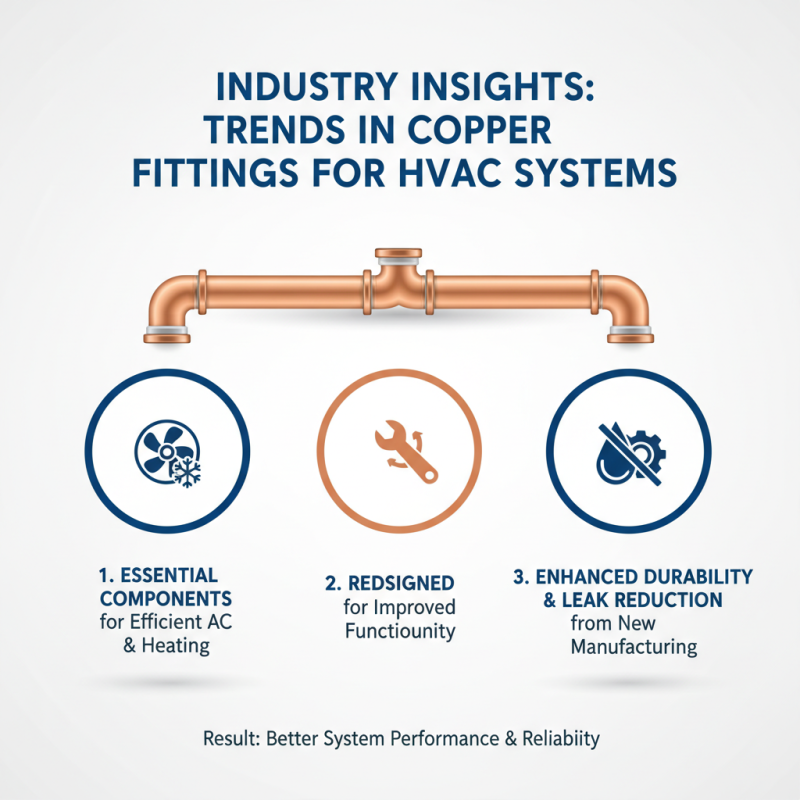
The HVAC industry is witnessing significant trends in copper fittings. These components, essential for ensuring efficient air conditioning and heating, are being redesigned for improved functionality. New manufacturing techniques are enhancing durability and reducing the risk of leaks, leading to better system performance.
One notable trend is the increasing use of environmentally friendly processes in copper fitting production. Manufacturers are becoming more aware of their ecological responsibilities. This shift might not be perfect yet, but it reflects a growing commitment to sustainable practices. It's important to consider how these changes impact cost and availability.
Installation practices around copper fittings are evolving as well. Technicians are adopting advanced soldering methods to enhance connection strength. However, this knowledge isn't universal. Some workers still rely on outdated techniques, which can lead to issues down the line. As the industry progresses, continuous training and updates are crucial for maintaining quality.



 Email
Email Whatsapp
 WeChat