Top 10 Best Condenser Fans for Efficient Cooling Solutions?
In the world of climate control, efficient cooling solutions are essential. One device that stands out is the condenser fan. According to industry reports, condenser fans can significantly reduce energy consumption. They help maintain optimal refrigerant temperatures and improve system efficiency.
Recent studies indicate that well-functioning condenser fans can enhance overall cooling performance by up to 30%. This efficiency translates into noticeable cost savings on energy bills. However, not all condenser fans are created equal. The right choice depends on several factors, including size, noise level, and airflow capacity.
Additionally, many consumers overlook maintenance. A neglected condenser fan can lead to reduced efficiency. Regular checks can prevent issues and ensure longevity. Understanding these aspects is crucial for making informed decisions. Exploring the top 10 best condenser fans can provide valuable insights for both efficiency and reliability.
Understanding the Basics of Condenser Fans and Their Functionality
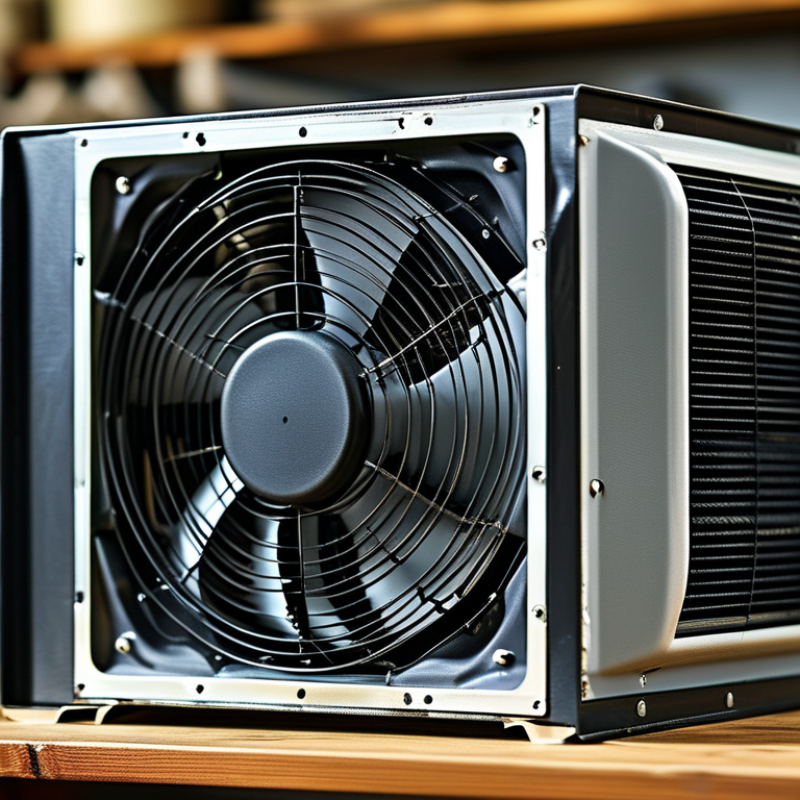
Condenser fans play a crucial role in cooling systems. They help dissipate heat generated by various appliances. Understanding their functionality is vital for effective usage. These fans typically operate by drawing in air, cooling the condenser coils, and expelling heated air outside. This process ensures that systems like refrigerators and HVAC units operate efficiently.
The design of a condenser fan can vary but should provide high airflow. A well-engineered fan rotates at optimal speeds to enhance heat dissipation. However, not all installations are perfect. Some may experience issues like noise or vibration. It’s essential to keep an ear out for any unusual sounds. Regular maintenance can prevent these problems.
Proper placement of condenser fans is also critical. They should be positioned in a way that maximizes airflow and minimizes obstructions. This can be challenging in some settings. For instance, outdoor units may be affected by debris or foliage. Creating a clear zone around the fan improves performance. Small adjustments can make a big difference in efficiency.
Top 10 Best Condenser Fans for Efficient Cooling Solutions
This chart shows the average cooling efficiency in BTUs per hour of the top 10 condenser fans, helping consumers understand which models provide the best performance for cooling efficiency.
Key Factors to Consider When Choosing a Condenser Fan
When choosing a condenser fan, efficiency is paramount. Ensure the fan has a powerful motor for optimal airflow. A fan with variable speed settings offers greater flexibility. This allows you to adjust cooling power based on specific needs.
Pay attention to the fan's noise level. A quieter operation is often preferable, especially in residential areas. Look for products that provide sound ratings. These details can help gauge which fans operate discreetly.
Energy consumption is another key factor. Opt for fans with energy efficiency certifications. They can reduce your electricity costs significantly. However, always analyze the manufacturer's claims critically. Sometimes, advertised efficiency may not reflect real-world performance. Consider reading independent reviews for a balanced perspective.
Top Features of the Best Condenser Fans for Cooling Efficiency
When choosing a condenser fan for efficient cooling, it’s essential to look for key features. The fan's airflow rate plays a significant role in cooling effectiveness. Fans with high cubic feet per minute (CFM) ratings move more air, ensuring better temperature regulation. Additionally, consider blade design. Blades that are wider and angled can improve airflow dynamics.
Another critical aspect is noise levels. Quiet fans allow for comfortable environments, particularly in residential settings. Energy efficiency is also paramount. Efficient motors consume less power, leading to lower utility bills. Look for fans that incorporate advanced technologies, such as variable speeds, allowing users to adjust cooling based on the environment.
Durability is a non-negotiable feature. Selecting materials that withstand various conditions can enhance longevity. However, not all materials are equal. Some may corrode or wear out faster. Regular maintenance should not be overlooked either; this requires effort to ensure optimal performance over time. It’s also vital to read user reviews. Feedback can highlight strengths and weaknesses, providing insights that might not be obvious at first glance.
Top 10 Best Condenser Fans for Efficient Cooling Solutions
| Model |
Airflow (CFM) |
Noise Level (dB) |
Energy Efficiency (W/CFM) |
Special Features |
| Model A |
1500 |
35 |
0.09 |
Remote Control, 3 Speed Settings |
| Model B |
1800 |
30 |
0.08 |
Smart Thermostat, Wi-Fi Enabled |
| Model C |
1600 |
40 |
0.10 |
Quiet Operation, Adjustable Timer |
| Model D |
2000 |
32 |
0.07 |
Energy Star Rated, Built-in Lights |
| Model E |
1650 |
33 |
0.09 |
Pivoting Head, Easy to Clean |
| Model F |
1700 |
38 |
0.11 |
Swing Function, Built-in Timer |
| Model G |
1900 |
29 |
0.06 |
Auto Shut-off, Compact Design |
| Model H |
1550 |
34 |
0.09 |
Multi-directional Airflow, Sleek Finish |
| Model I |
1850 |
31 |
0.08 |
Adjustable Speed, LED Indicators |
| Model J |
1750 |
36 |
0.10 |
Durable Build, High Durability |
Comparison of Popular Brands and Models of Condenser Fans
When selecting a condenser fan, it's essential to understand the various brands and models on the market. Each fan offers unique features, which can significantly affect performance and efficiency. For instance, noise levels, airflow design, and energy consumption are crucial factors to consider. Many consumers overlook these aspects, leading to dissatisfaction with their cooling solutions.
Tips: Always check energy ratings. A higher energy efficiency can save you money in the long run. Also, consider the fan's size. A model too small for your space will struggle to maintain the desired temperature. Look for designs that allow for easy maintenance, as this often affects longevity.
Different models use varying technologies. Some fans utilize advanced motor designs, while others focus on blade shape to optimize airflow. Researching customer reviews can provide insight into reliability. However, it's important to approach reviews critically, as some may be biased. Ultimately, your choice should align with your specific cooling needs and preferences.
Maintenance Tips for Enhancing the Lifespan of Your Condenser Fan
Maintaining your condenser fan is crucial for optimal performance and longevity. Regular cleaning is essential. Dust and debris can accumulate on the fan blades and motor. Use a soft brush or vacuum to remove this buildup. A clean fan works more efficiently, providing better cooling.
Inspect the fan regularly for wear and tear. Check for any unusual noises during operation. These could indicate underlying issues. If parts appear damaged, consider replacing them before they cause larger problems. Staying proactive can save you from costly repairs.
Lubricate the motor as needed. Many condenser fans come with oil ports that need attention. Proper lubrication reduces friction and helps the fan run smoothly. Over time, however, lubricants can degrade. Monitoring this will enhance your fan's performance and extend its lifespan. Small maintenance efforts lead to significant benefits.



 Email
Email Whatsapp
 WeChat