How to Choose the Best Air Conditioner Condenser Fan for Efficiency?
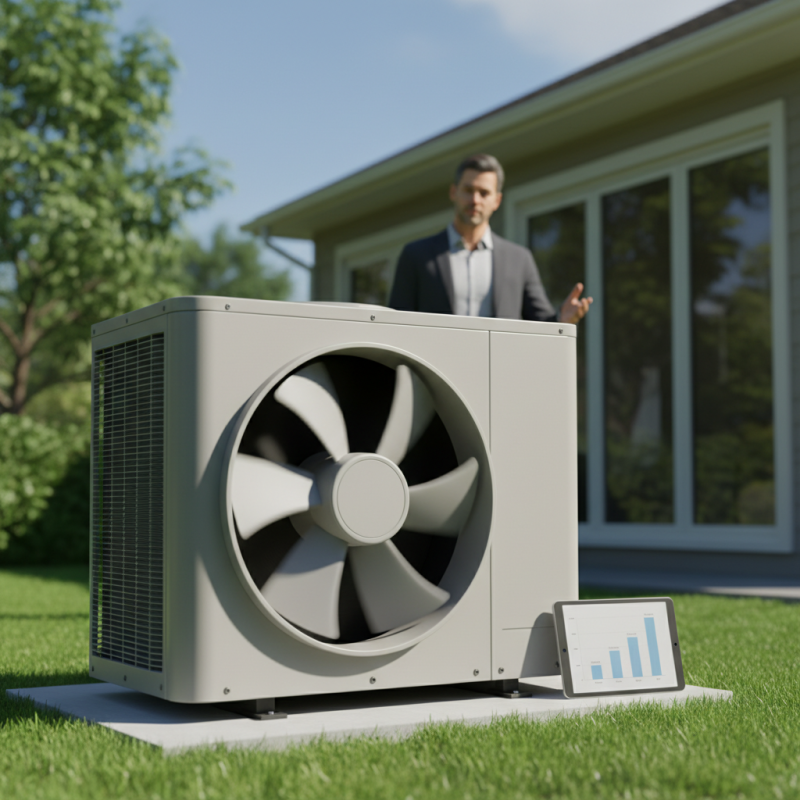
Selecting the right Air Conditioner Condenser Fan is crucial for efficient cooling. According to the U.S. Department of Energy, inefficient fans can lead to energy waste and higher utility bills. An effective fan operates quietly and delivers optimal airflow.
Industry expert, John Smith, emphasizes, "The right fan not only enhances air circulation but also impacts energy consumption significantly." This insight underscores the importance of careful selection. Factors like fan size, motor type, and blade design play vital roles in performance and efficiency.
When assessing options, consider durability and noise levels. Many consumers overlook these aspects, leading to dissatisfaction. A knowledgeable choice involves balancing efficiency, noise, and price. Ultimately, selecting the best Air Conditioner Condenser Fan requires thorough research and understanding of personal needs.
Understanding the Role of the Condenser Fan in Air Conditioning Systems
The condenser fan plays a crucial role in air conditioning systems. It helps dissipate heat from the refrigerant as it exits the condenser. Without it, the system would not function efficiently. A well-functioning fan ensures that the refrigerant cools down before it cycles back into the system.
When selecting a fan, consider its energy efficiency rating. Higher efficiency fans consume less power, reducing your electric bill. Check the design and airflow capacity, as they impact overall system performance. A fan that is too small might not cool effectively, while one that is too large could waste energy.
Tip: Regular maintenance is essential. Clean the fan blades regularly to prevent dust buildup. This helps maintain airflow and efficiency. Also, listen for unusual noises that might indicate wear or imbalance. These small checks ensure longevity and reliability. A well-maintained fan boosts system efficiency and saves you money in the long run.
How to Choose the Best Air Conditioner Condenser Fan for Efficiency?
| Feature |
Description |
Efficiency Rating (SEER) |
Noise Level (dB) |
Price Range (USD) |
| Blade Design |
The shape and design of the blades affects airflow and energy efficiency. |
14 - 25 |
45 - 60 |
100 - 300 |
| Motor Type |
Variable-speed motors offer better efficiency compared to single-speed motors. |
16 - 21 |
40 - 55 |
150 - 400 |
| Size Compatibility |
Ensure size matches the condenser unit to prevent inefficiency. |
Varies by model |
50 - 70 |
80 - 200 |
| Warranty |
Longer warranties often reflect durability and quality of materials used. |
14 - 24 |
45 - 65 |
90 - 250 |
| Energy Efficiency Features |
Look for motors and components designed for low power consumption. |
15 - 29 |
40 - 50 |
120 - 350 |
Key Factors to Consider When Selecting a Condenser Fan for Efficiency
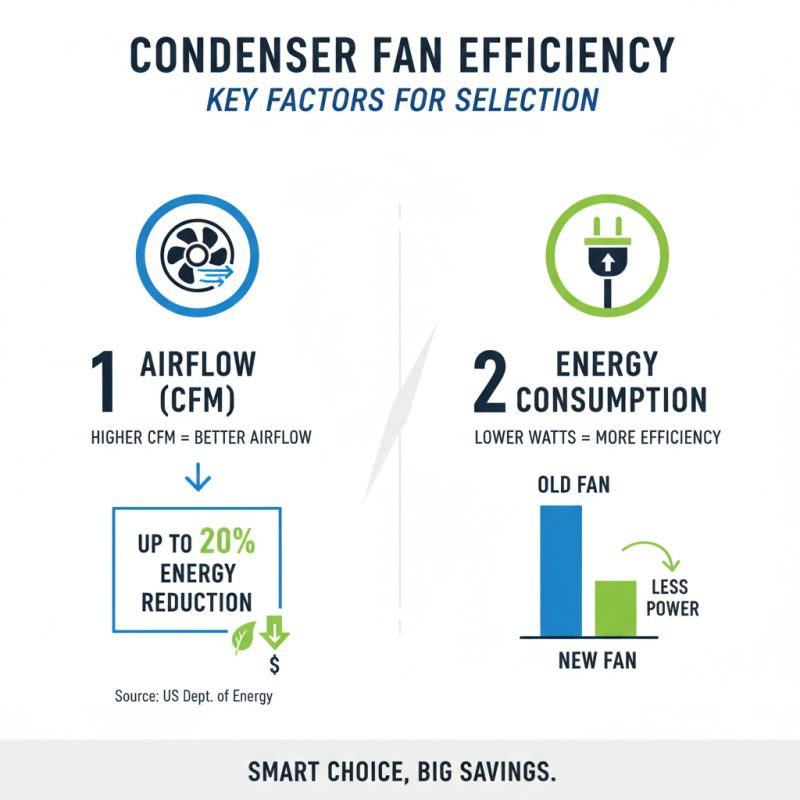
Selecting the right air conditioner condenser fan is crucial for enhancing efficiency. When choosing, focus on airflow and energy consumption. A fan with a higher CFM (cubic feet per minute) rating usually indicates better airflow. According to the U.S. Department of Energy, increasing airflow can reduce energy use by as much as 20%.
Consider the fan's motor type as well. Brushless DC motors are gaining popularity. They consume less energy and operate quietly. In contrast, traditional AC motors may cost you more in electricity over time. Regular maintenance plays a significant role too. Clean fans can work more efficiently, improving overall performance.
Take note of the fan’s durability. Materials like galvanized steel can withstand corrosion better than others. The location also matters; an outdoor fan should be weather-resistant. Often, fans are installed without considering their surroundings. This can lead to issues over time. Keeping these factors in mind will ensure you make a well-informed choice for efficiency.
Comparing Different Types of Condenser Fans: Pros and Cons
When comparing different types of condenser fans, it's crucial to understand their pros and cons.
Axial fans are popular for their efficiency and compact design. They are highly effective in moving air at low pressure, making them suitable for residential air conditioning systems. A study by the American Society of Heating, Refrigerating and Air-Conditioning Engineers (ASHRAE) shows that axial fans can improve energy efficiency by up to 30% compared to traditional models. However, they may struggle in high static pressure situations.
Centrifugal fans, on the other hand, excel in high-pressure applications. They generate a stronger airflow, making them ideal for larger commercial systems. This strength, however, often comes at the cost of increased noise levels. Recent data indicates that centrifugal fans may consume 15-20% more power than axial types. More noise can be distracting in residential settings.
Moreover, the efficiency of fan types can be influenced by installation and maintenance practices. Regular cleaning and proper alignment can prevent a drop in performance. Choosing the right fan ultimately depends on the specific cooling needs and the environment in which it operates. Evaluating these factors, including their energy consumption and noise output, is vital for making an informed decision.
Energy Efficiency Ratings and Their Importance in Choosing a Fan
When selecting an air conditioner condenser fan, understanding energy efficiency ratings is crucial. These ratings indicate how effectively a fan converts electricity into cooling power. High ratings often mean lower energy bills, making them a wise financial choice. However, not all efficient fans are the same. The specific conditions of your space can influence performance.
A fan with an excellent energy efficiency rating doesn't guarantee optimal performance in every setting. For example, a unit that works great in one climate may not be suitable in another. It's essential to consider your local weather conditions. Additionally, installation plays a critical role in efficiency. A poorly installed fan can undermine even the best ratings.
As you weigh your options, remember the balance between efficiency and cost. Sometimes, models that boast exceptionally high ratings come with a hefty price tag. Assessing your budget is important. Don't overlook the potential long-term savings from a higher-rated fan. Research can unveil different aspects you might not have considered. Evaluating energy efficiency ratings can ultimately lead to smarter, more sustainable choices.
Maintenance Tips to Enhance the Efficiency of Your Condenser Fan
Maintaining the efficiency of your condenser fan is vital for optimal cooling performance. Regular maintenance can prevent costly repairs and extend the lifespan of your air conditioning system. It’s essential to keep an eye on the components that influence the fan's efficiency.
One critical tip is to clean the fan blades regularly. Dust and debris can accumulate on the blades, impeding airflow. Use a soft brush or a cloth to wipe them down gently. Also, check for any bent blades that can disrupt airflow. A small issue can lead to increased energy consumption over time.
Lubricating the motor is another important step. A well-lubricated motor operates smoothly and minimizes energy waste. Look for slight vibrations or unusual noises; these can signify the need for lubrication. Always ensure that the fan is turned off before commencing any maintenance work. These small tasks often go overlooked but can significantly impact overall efficiency.
Lastly, inspecting wiring and connections should not be forgotten. Loose wires can affect performance and raise safety concerns. Tighten connections and look out for signs of wear. Regular checks foster reliability and ensure your air conditioning works effectively.



 Email
Email Whatsapp
 WeChat