Leave Your Message

What Is a Filter Dryer in a Refrigerator?

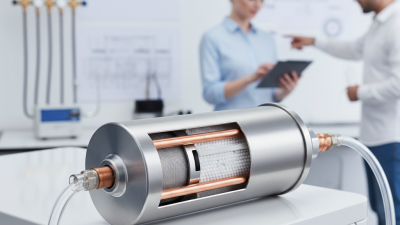
A Filter Dryer Refrigerator is not merely a small canister in the refrigerant line. It is a protective component that captures moisture, acid, and fine debris before they reach the capillary tube or compressor. Inside, desiccant beads work quietly, while a filter screen traps particles released from copper tubing, brazing, or compressor wear. The term sounds simple. The diagnosis is not.

The International Energy Agency reports that space cooling remains one of the fastest-growing energy demands in buildings. Its analysis also indicates that cooling demand could more than triple by 2050. UNEP’s 2022 Cooling Emissions and Policy Synthesis Report highlights the need for more efficient and reliable cooling equipment. These trends make small protective parts increasingly important. A restricted filter dryer can raise pressure, reduce cooling performance, and leave frost near the inlet. An exhausted dryer may look normal from outside.

Emerson refrigeration engineer André Patenaude describes the filter-drier’s purpose as removing “moisture, acid, and foreign matter” from a refrigeration system. That practical definition remains useful for technicians and homeowners. Still, one detail deserves reflection: replacing the dryer alone may not solve the failure. A hidden leak, poor evacuation, or excessive moisture can damage the new component quickly. Proper diagnosis includes checking system pressure, evacuation quality, refrigerant charge, and compressor condition. This guide explains what a Filter Dryer Refrigerator does, where it sits, and when replacement becomes necessary. Small part. Serious responsibility.
What Is a Filter Dryer in a Refrigerator?

What Is a Filter Dryer in a Refrigerator?

A filter dryer in a refrigerator is a small component in the sealed cooling system. It usually sits in the liquid line, near the condenser or expansion device. Its job is simple but important: remove moisture, trap tiny particles, and protect sensitive parts from damage. Inside, a drying material absorbs water from the refrigerant circuit. A fine screen catches debris from tubing, soldering, or compressor wear.

Moisture can freeze near a narrow restriction and interrupt refrigerant flow. It may also react with refrigerant oil, creating acids that slowly harm metal surfaces. A blocked dryer can produce weak cooling, unusual temperature changes, or a noticeable temperature difference across its body. However, not every cooling problem comes from the dryer. That assumption deserves caution. A dirty condenser, low refrigerant charge, faulty control, or damaged compressor can create similar symptoms.

During professional service, a technician checks system pressure, temperature readings, and airflow before replacing the part. The dryer is normally replaced after the sealed system is opened, because its drying material becomes less reliable after exposure to air. The technician also evacuates the system with a vacuum pump and checks for leaks before recharging it. Small details matter here. A replacement that looks correct may still have the wrong capacity or connection size. DIY handling can also release refrigerant or introduce moisture, so sealed-system work should follow local safety requirements and use qualified equipment.

What Is a Filter-Drier in a Refrigerator?

A filter-drier is installed in the sealed refrigeration circuit to trap solid debris and adsorb moisture. Removing moisture helps reduce the risk of ice formation at the metering device and helps protect the compressor and other components.

The chart uses established reference temperatures at standard atmospheric pressure. Water freezes at 0°C, while 4°C is the maximum recommended refrigerator temperature for food storage. Water boils at 100°C. Because parts of a refrigeration circuit operate below 0°C, moisture must be controlled to help prevent ice blockage.

How a Refrigerator Filter Dryer Works

What Is a Filter Dryer in a Refrigerator?

How a Refrigerator Filter Dryer Works

A filter dryer is a small sealed component in the liquid refrigerant line. It removes moisture, acid, and tiny particles before refrigerant reaches the expansion device. Its desiccant core traps water chemically, while the filter section catches debris. This protects narrow passages from ice or blockage.

During servicing, technicians often replace the filter dryer after opening the sealed system. Even a small amount of moisture can react with refrigerant oil and create corrosive compounds. The ASHRAE Handbook—Refrigeration, 2022, identifies moisture control and contaminant removal as essential practices for reliable refrigeration circuits. The U.S. Department of Energy’s appliance test procedures also measure refrigerators by annual energy use under controlled conditions. A restricted dryer can increase pressure drop, reduce cooling performance, and raise energy consumption, although the exact effect depends on the fault.

Tips: Keep the dryer upright and sealed until installation. Never judge it by appearance alone. A quiet refrigerator can still have a restricted dryer.

A useful inspection includes checking temperature differences across the component. A noticeable drop may suggest restriction, but it is not definitive. Technicians should also compare suction pressure, liquid-line temperature, and superheat. The diagnosis is not always tidy. Replacing the dryer without removing the original contamination source may only delay another failure. Recovery, evacuation, and leak testing should follow recognized service procedures, including guidance in AHRI Standard 740 for refrigerant recovery equipment performance.

Main Parts and Materials of a Filter Dryer

What Is a Filter Dryer in a Refrigerator?

Main Parts and Materials of a Filter Dryer

A filter dryer sits in the liquid line of a refrigerator’s sealed cooling system. Its job is simple but critical. It captures moisture, acid, and tiny particles before they reach the expansion device. A typical unit has a steel shell, two connection tubes, internal screens, and a moisture-absorbing desiccant. The shell must resist pressure and vibration. Copper tubes are common because they connect well with refrigeration tubing.

The desiccant is usually molecular sieve, activated alumina, or a carefully mixed combination. Molecular sieve removes water effectively, even at low moisture levels. Activated alumina can help hold acidic contaminants. Inside the shell, screens or perforated retainers keep the desiccant in position. They also stop loose grains from entering the narrow cooling passages. A flow arrow on the body shows the correct installation direction.

During service work, I inspect the shell for dents, corrosion, and oily marks around the joints. A blocked screen may create a temperature drop across the dryer. That clue is useful, but it is not perfect. Other restrictions can look similar. I once treated a warm outlet as a dryer problem, then found poor airflow around the condenser. That mistake reinforced the need for pressure and temperature checks. Material compatibility matters too. The wrong replacement size can reduce flow, while an unsuitable desiccant may react poorly with the refrigerant or compressor oil.

Where the Filter Dryer Is Located

What Is a Filter Dryer in a Refrigerator?

A filter dryer is a small sealed component in the refrigerator’s refrigerant circuit. It traps moisture, dust, and tiny metal particles before they reach the metering device. Moisture can freeze inside that narrow passage and restrict refrigerant flow. The result may be weak cooling, unusual cycling, or a warm freezer.

Where the Filter Dryer Is Located

In most refrigerators, the filter dryer sits in the liquid line after the condenser and before the capillary tube or expansion device. You will usually find it near the lower rear section, close to the compressor and condenser tubing. It often looks like a short copper cylinder or a slightly larger section of tubing.

Look carefully.

The exact position can vary. Some models place the dryer beside the condenser, while others hide it inside the sealed tubing near the cabinet wall. Trace the thinner copper line leaving the condenser. The dryer is commonly installed along that path, before the line becomes very narrow.

A service technician may identify it by its shape, tubing connections, and flow direction marking. I have seen people mistake it for a refrigerant filter on an air system. That assumption can lead to the wrong repair. Accessing or replacing it requires opening the sealed system, recovering refrigerant, and brazing the tubing correctly. One small leak can return the refrigerator to poor cooling.

What Is a Filter Dryer in a Refrigerator? – Where the Filter Dryer Is Located

Data Dimension Accurate Information Practical Relevance
Component Name Filter dryer, also called a liquid-line filter drier. It is a sealed-system component used to protect the refrigeration circuit from moisture, particles, and chemical contaminants.
Primary Function It removes moisture and filters solid debris from the refrigerant flow. Keeping the refrigerant clean and dry helps reduce restrictions, corrosion, ice formation, and damage to the metering device.
Typical Location In many household refrigerators, it is installed in the sealed tubing near the condenser outlet and before the capillary tube. The exact position varies by refrigerator design, but it is normally located in the liquid line rather than inside the refrigerated cabinet.
Refrigerant Flow Position Condenser outlet → filter dryer → capillary tube or other metering device → evaporator. Placing the dryer upstream of the metering device helps prevent contaminants or moisture from blocking the narrow passage.
Physical Appearance It is commonly a small sealed metal cylinder installed in the copper or steel tubing. Its size and shape can differ according to the refrigerant circuit, cabinet design, and required drying capacity.
Internal Materials Most filter dryers contain a desiccant that adsorbs moisture and a filter medium that traps particles. The desiccant must be compatible with the refrigerant and compressor oil used in the system.
Moisture Control The dryer captures residual water introduced during manufacturing, servicing, or a sealed-system leak. Excess moisture can freeze at the capillary tube, react with refrigerant or oil, and contribute to internal corrosion.
Contaminant Control It can retain small particles produced by tubing, brazing, compressor wear, or degraded system materials. Filtering helps protect the capillary tube, evaporator inlet, and compressor from circulating debris.
Normal Operating Condition The dryer should allow liquid refrigerant to pass with minimal pressure drop. A properly selected and correctly installed dryer should not noticeably restrict normal refrigerant flow.
Possible Restriction Symptoms Symptoms may include poor cooling, an unusually cold spot or frost near the dryer outlet, abnormal pressure readings, or a starved evaporator. These signs are not conclusive by themselves; temperature and pressure measurements are needed for a reliable diagnosis.
When Replacement Is Commonly Required A dryer is normally replaced after the sealed system has been opened, after a major refrigerant leak, or when contamination or moisture is suspected. A new dryer helps restore moisture-control capacity after exposure to air during repair.
Installation Direction Many dryers have an arrow showing the required refrigerant-flow direction. The arrow should point toward the capillary tube or metering device unless the component design specifies otherwise.
Service Access The component is usually accessible from the rear or lower service area, close to the condenser tubing or compressor compartment. Access may require removing a rear cover; the location is not necessarily visible from inside the refrigerator compartment.
Maintenance Requirement Filter dryers are not generally cleaned or emptied during routine household maintenance. Because they are sealed components, replacement is normally preferred when their drying or filtering capacity is exhausted.
Safety Consideration Replacement requires opening the sealed refrigeration system, recovering refrigerant, evacuating the system, and recharging it correctly. These procedures should be performed with suitable recovery equipment and by a qualified refrigeration technician.
Location reminder: The filter dryer is usually found in the sealed-system tubing between the condenser and the capillary tube. Its exact location can differ, so the refrigerant-flow arrow and the appliance service documentation should be checked before identification or replacement.

Signs of a Faulty or Blocked Filter Dryer

What Is a Filter Dryer in a Refrigerator?

A filter dryer is a small sealed component in the refrigeration circuit. It removes moisture, acid, and fine particles before refrigerant reaches the expansion device. ASHRAE’s 2022 Refrigeration Handbook identifies moisture and contaminants as major causes of corrosion, ice formation, and restricted flow. The part also protects the compressor from debris created during repairs or component failure.

Signs of a Faulty or Blocked Filter Dryer

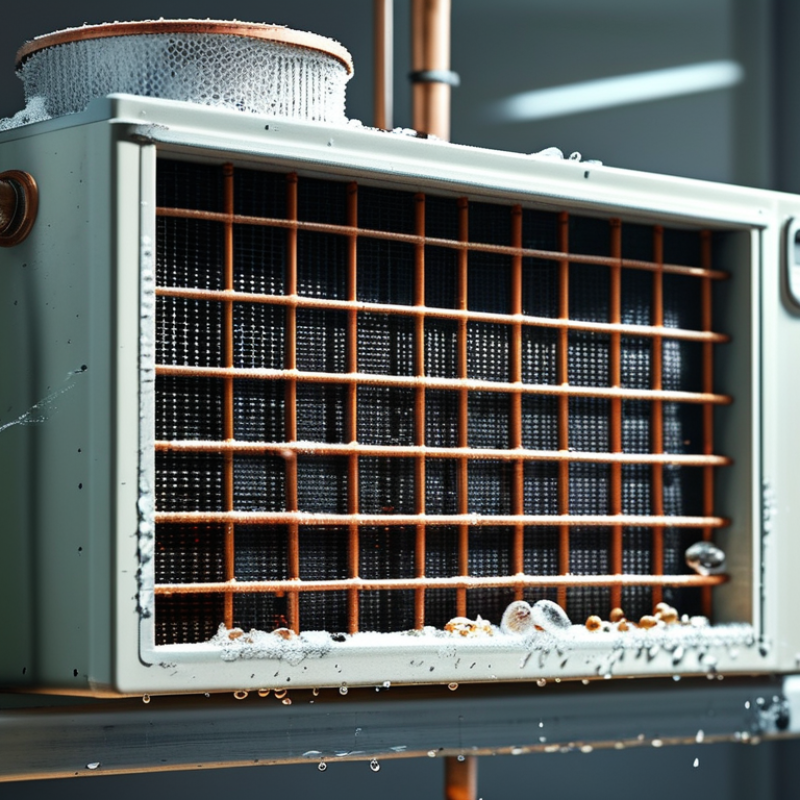
A blocked filter dryer often creates a noticeable temperature difference across its shell. The inlet may feel warm, while the outlet feels unusually cold or frosty. That drop suggests restricted refrigerant flow. Other signs include weak cooling, longer compressor cycles, high discharge temperature, and intermittent ice near the capillary tube. The refrigerator may still run. That is the frustrating part.

Service technicians usually confirm the problem with temperature readings, pressure measurements, and a system leak check. A temperature difference alone is not proof. Undercharged refrigerant, a damaged capillary tube, or poor airflow can produce similar symptoms. The U.S. Department of Energy’s appliance efficiency analysis shows that refrigeration energy use depends heavily on operating conditions and component performance. A restricted circuit can therefore increase running time and electricity use. In practice, replacing the dryer without removing moisture properly may fail again. The repair needs evacuation with a calibrated vacuum gauge, correct replacement sizing, and a controlled refrigerant charge. As a field reminder, ASHRAE guidance supports clean, dry installation practices, but real service conditions are rarely perfect.