How to Troubleshoot Your Air Conditioner Condenser Fan for Optimal Performance
As the summer heat approaches, ensuring that your Air Conditioner Condenser Fan operates efficiently is crucial for maintaining optimal indoor comfort. According to the U.S. Department of Energy, improperly maintained air conditioning systems can lead to a decrease in efficiency by up to 30%, resulting in higher energy bills and discomfort. The condenser fan plays a vital role in the overall functionality of your air conditioning system, dissipating heat and helping to regulate refrigerant flow. However, issues can arise, such as dirt accumulation, motor failure, or fan obstruction, which may hinder performance. By understanding how to troubleshoot your Air Conditioner Condenser Fan effectively, you can ensure your system runs smoothly and efficiently, prolonging its lifespan and enhancing your home's cooling effectiveness. In this guide, we'll outline essential tips and techniques to diagnose and resolve common fan-related issues, empowering you to keep your air conditioning system in peak condition.
Common Symptoms of a Malfunctioning Air Conditioner Condenser Fan
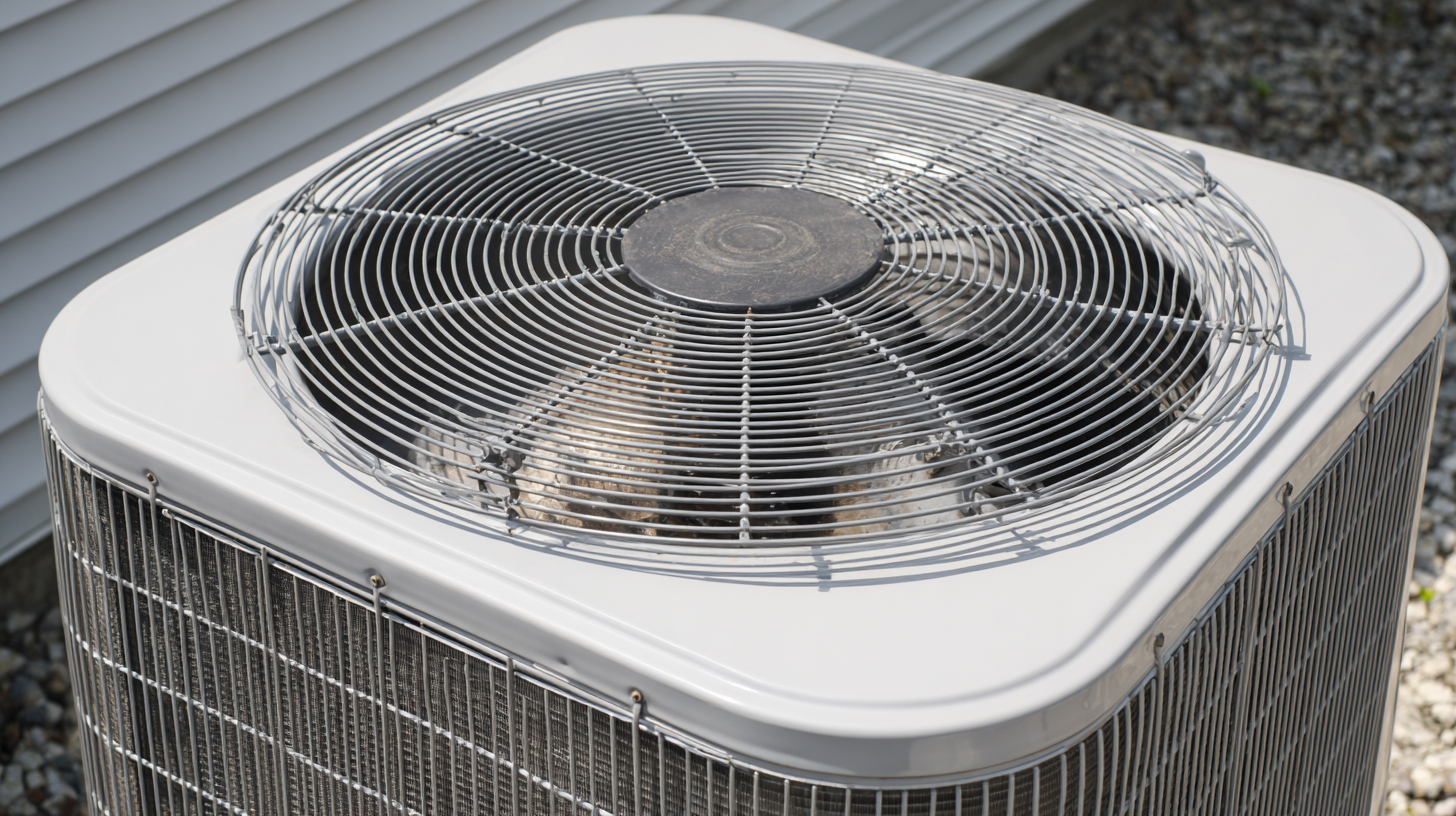
When your air conditioner condenser fan is not working properly, several symptoms can indicate a malfunction. Common signs include unusual noises, overheating, and insufficient cooling. If you hear grinding or rattling sounds, it may suggest that the fan motor or blades are damaged. Additionally, if the unit feels excessively hot, it could mean the fan isn't operating effectively, leading to potential compressor failure.
To troubleshoot your air conditioner condenser fan, start by checking the power supply. Ensure that the unit is plugged in and that the circuit breaker hasn't tripped. If the power is fine but the fan isn't running, inspect the fan blades for any obstructions. Clear away any debris that might be blocking the fan's rotation.
Another useful tip is to clean the condenser coils regularly. Dust and dirt buildup can restrict airflow, putting extra strain on the fan. Use a soft brush or a vacuum with a brush attachment to gently clean the coils and improve overall efficiency. Regular maintenance can prevent these symptoms from escalating and ensure optimal performance of your air conditioner.
Air Conditioner Condenser Fan Malfunction Symptoms
Step-by-Step Guide to Inspecting Your Air Conditioner Condenser Fan
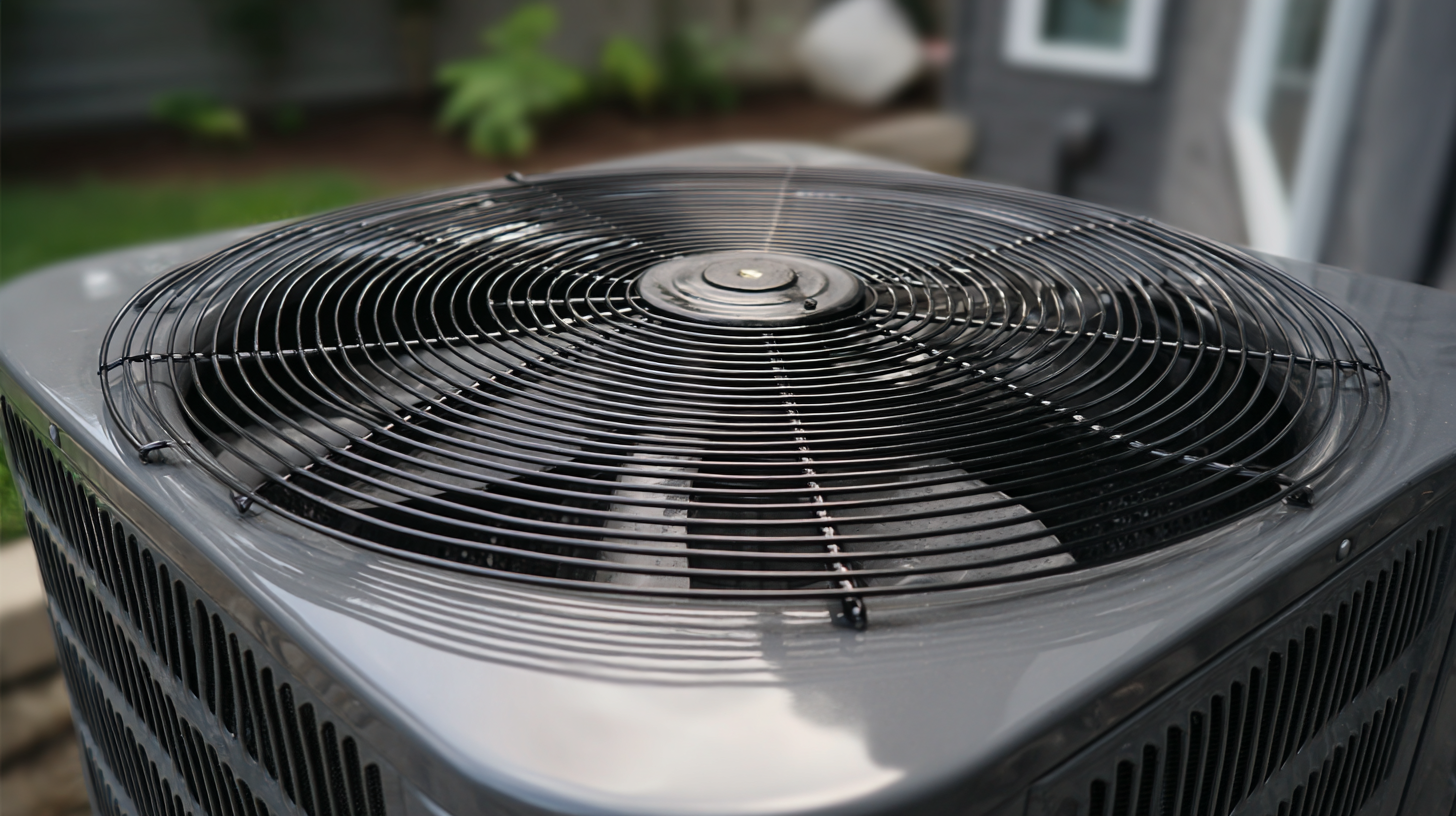 Inspecting your air conditioner condenser fan is essential for maintaining optimal cooling performance, especially during hot weather. Start by ensuring the unit is safely powered off to avoid any accidents. Inspect the fan blades for any visible debris or damage. Leaves, dirt, and other obstacles can impede the fan’s ability to move air effectively. Use a soft brush or cloth to gently clean the blades and surrounding area. If you notice any bends or breaks in the blades, replacement may be necessary to restore functionality.
Next, turn your attention to the condenser fan motor. Listen for any unusual sounds when the system is turned on, as this could indicate a failing motor. Ensure that the fan spins freely; any resistance can signal problems such as faulty bearings. If the motor does not start, use a multimeter to check for electrical issues, such as blown fuses or tripped circuit breakers. Lastly, check the wiring and connections for any signs of wear or fraying, which can pose safety risks. By systematically inspecting these components, you can ensure your air conditioner condenser fan operates efficiently throughout the cooling season.
Essential Tools for Troubleshooting Your Air Conditioner Condenser Fan
When it comes to troubleshooting your air conditioner condenser fan, having the right tools is essential for efficient diagnostics and repairs. Start with a multimeter which will help measure voltage, current, and resistance. This tool is crucial for checking electrical components and ensuring they are functioning properly. Having a screwdriver set is also important, as different screws may secure the fan and electrical covers. A pair of pliers can assist in loosening stubborn wires or clips that may require removal during the process.
Tip: Always turn off the power to your air conditioning unit before beginning any troubleshooting to ensure your safety. Another handy tool to consider is a soft brush or vacuum for cleaning debris from the fan and surrounding components. Dust buildup can significantly hinder performance, so regular maintenance is critical. Finally, investing in a thermal imaging camera can be beneficial. This gadget allows you to identify hot spots and electrical issues that may not be visible to the naked eye, ensuring optimal fan performance.
How to Clean and Maintain Your Air Conditioner Condenser Fan
Cleaning and maintaining your air conditioner condenser fan is essential for ensuring optimal performance, especially during the hot summer months when demand for cooling increases significantly. During peak season, the average electricity consumption of air conditioning units can surge by about 50%, making it vital to keep them in good shape to prevent unnecessary energy waste. Regular maintenance not only helps improve the efficiency of your unit but can also extend its lifespan.
To start, make it a habit to check your condenser unit regularly for debris such as leaves, dirt, and dust that can impede airflow. Cleaning the fan blades and the surrounding areas can dramatically improve air circulation and overall system performance. Industry reports indicate that proper maintenance can lead to energy savings of up to 30% for homeowners, which is particularly crucial when temperatures consistently rise above 30°C. Additionally, consider scheduling a professional maintenance service at least once a year to ensure all components of your air conditioning system, including the condenser fan, are functioning optimally. This proactive approach is not just a matter of comfort; it's also a smart financial decision in today's energy-conscious market.
How to Troubleshoot Your Air Conditioner Condenser Fan for Optimal Performance
| Troubleshooting Step |
Description |
Frequency |
Tips for Maintenance |
| Check Power Supply |
Ensure the unit is receiving power and check for tripped circuit breakers. |
Seasonally |
Inspect the electrical connections and replace any damaged wires. |
| Clean the Fan Blades |
Remove dirt and debris from the fan blades for improved airflow. |
Monthly |
Use a soft brush and damp cloth to clean without damaging the blades. |
| Inspect for Obstructions |
Check around the condenser unit for obstructions that affect airflow. |
Monthly |
Clear leaves, dirt, and other debris to enhance efficiency. |
| Lubricate the Fan Motor |
Ensure smooth operation by lubricating the motor if applicable. |
Annually |
Use manufacturer-recommended lubricant for best results. |
| Assess the Capacitor |
Check the capacitor for signs of failure such as bulging or leaking. |
Biannually |
If faulty, replace it immediately to prevent motor failure. |
When to Call a Professional for Air Conditioner Condenser Fan Issues
When it comes to air conditioner condenser fan issues, knowing when to call a professional can save you from further complications and costly repairs. Often, the signs indicating that professional help is needed include persistent loud noises, a lack of airflow, or the fan not turning on at all. According to HVAC experts, if you notice that your home has heightened humidity levels or your energy bills have spiked without any change in usage patterns, it might be time to call in a specialist. As indicated in recent industry reports, ensuring your AC unit is functioning effectively not only maintains comfort but also reduces energy costs significantly, with potential savings up to 20% by addressing these issues promptly.
Air conditioners work best when all components, particularly the condenser fan, operate smoothly. If routine maintenance doesn't resolve the problem, consider enlisting a professional service. They have the expertise to diagnose issues such as capacitor failures, which can be expensive to replace if neglected. Additionally, during peak summer months, high temperatures can put extra strain on your AC system, making it crucial to ensure every part, from the condenser fan to airflow pathways, works efficiently. Regular checks and timely professional interventions can lead to a more comfortable home and a more sustainable energy bill.



 Email
Email Whatsapp
 WeChat