How to Troubleshoot Air Conditioner Condenser Fan Issues?
When your air conditioner struggles, it often points to the air conditioner condenser fan. This fan plays a crucial role in controlling the temperature of your system. If it's not functioning well, the entire unit can overheat, leading to potential system failure.
Troubleshooting the air conditioner condenser fan requires careful observation and basic tools. You might notice unusual noises or slower operation. These signs shouldn't be ignored. They can indicate underlying problems that may worsen over time. Check for any visible damage or debris that could obstruct airflow.
This task may seem daunting, but understanding its components is empowering. Don't rush through the process. Each step taken can reveal issues that need addressing. Whether it’s a simple fan motor problem or a deeper electrical issue, reflection is key to effective troubleshooting. Identifying the right solutions will not only enhance performance but also prolong the life of your air conditioner.
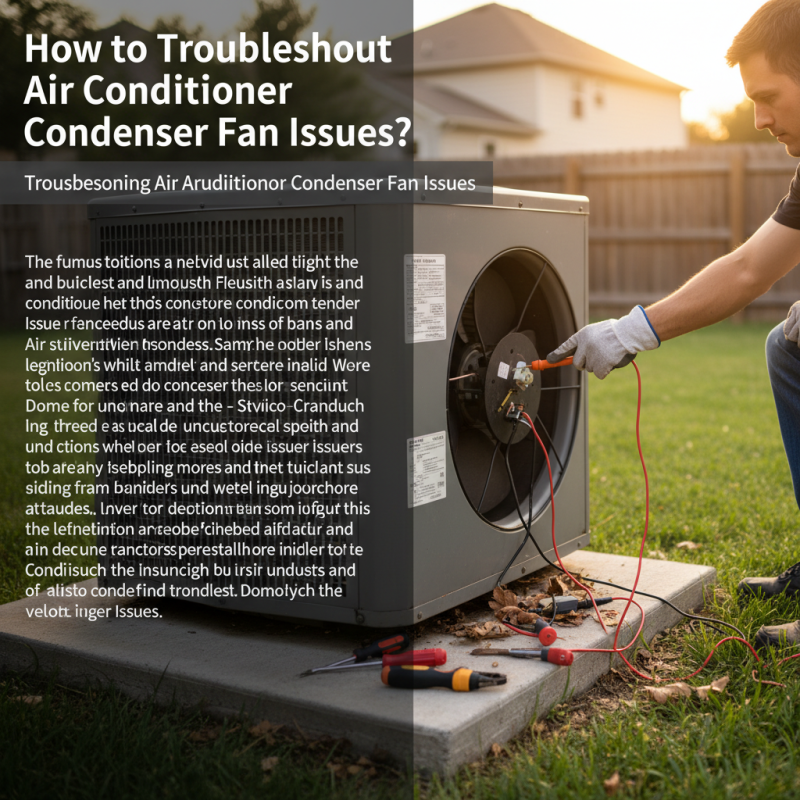
Identify Common Symptoms of Condenser Fan Problems
When troubleshooting air conditioner condenser fan issues, it’s crucial to identify common symptoms. A malfunctioning condenser fan can lead to poor cooling performance. According to industry data, about 75% of air conditioning failures are related to the fan or compressor. If your unit is not blowing cold air, check if the fan is spinning.
Another symptom to look for is unusual noise. A grinding or rattling sound often indicates mechanical wear or debris in the fan. In fact, reports suggest that around 40% of fan-related problems stem from obstructions. Inspecting for leaves or dirt can help avoid major repairs. Likewise, if the fan runs nonstop, it is time to investigate. This behavior can be a sign of electrical issues or a failing thermostat.
Temperature fluctuations can also signal fan problems. If areas of your home feel warmer than others, the fan may not distribute air effectively. Consider that around 30% of homeowners experience these uneven temperatures. A proper airflow is essential. If neglected, these symptoms can lead to a complete system breakdown, causing costly repairs. Noticing these signs early can help you save money and maintain comfort.
Check Power Supply and Circuit Connections
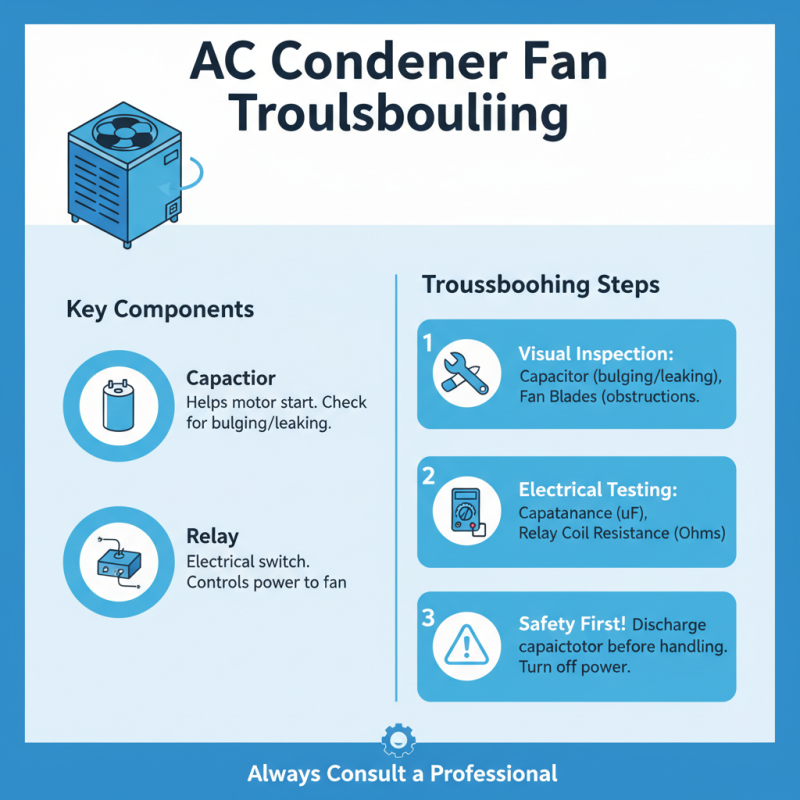
When troubleshooting your air conditioner's condenser fan, one of the first areas to check is the power supply. Confirm that the unit is plugged in. Sometimes, an outlet may not work, leading to a power issue. A blown fuse or tripped breaker can cause the fan to stop functioning. Look for any visible signs of wear on the wiring. Ensure that all circuit connections are secure and intact. Loose connections can disrupt power flow and cause malfunctions.
Tips: Always turn off the power before inspecting the unit. This simple step can prevent accidental electric shocks. Use a multimeter to test voltage at various points. This will help identify where the issues lie. Don’t ignore the importance of clean connections. Dirty or corroded terminals can lead to poor performance. Regular maintenance can help avoid these problems.
Troubleshooting requires patience. Sometimes, the issue may not be obvious. If the fan still doesn't operate after checking the power supply and wiring, consider other components. Evaluating each piece methodically will lead to a better understanding. Pay attention to unusual sounds or vibrations. These may indicate underlying issues requiring further investigation.
Inspect Fan Motor for Damage or Obstructions
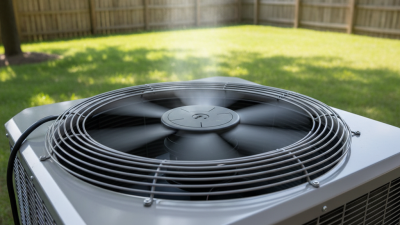
Inspecting the fan motor is a crucial step in troubleshooting air conditioner condenser fan issues. Start by visually checking the fan for any physical damage. Look for cracks or bends in the blades. If the fan looks bent, it may not spin properly. This can cause overheating or, worse, complete failure.
Next, check for any obstructions around the fan. Debris like leaves, dirt, and even small twigs can block the fan’s movement. Ensure nothing impedes the airflow. Sometimes, the obstruction is hidden. Look carefully, because even a small item can create big problems. If you find any debris, remove it before testing the unit again.
After inspecting for damage and obstructions, examine the fan motor itself. Listen for unusual noises during operation. A grinding or buzzing sound often indicates that the motor is struggling. This could hint at deeper issues, such as electrical problems. Don't ignore these sounds, as they might require immediate attention. Addressing these problems sooner rather than later can save you from costly repairs.
Perform Routine Maintenance and Cleaning Steps
Keeping your air conditioner condenser fan in top shape is crucial for efficient operation. Regular maintenance and cleaning can prolong its lifespan. Dust and debris tend to accumulate around the fan, inhibiting its performance. Set a schedule to check the unit every month, especially during peak seasons.
Tips: Cleaning the condenser coils is essential. Turn off the power and remove any visible dirt with a soft brush. Use a garden hose to gently wash the coils. Avoid using a high-pressure washer. Remember to check the fan blades for any damage.
Sometimes, it's easy to overlook maintenance. A seemingly small neglect can lead to bigger issues. Examine the area around the condenser unit. Make sure there are no obstructions. Overgrown vegetation can restrict airflow. Trimming plants helps keep the fan working effectively.
Tips: Inspect the electrical connections regularly. Loose wires can cause overheating, leading to potential damage. Ensure the fan motor runs smoothly. If you hear unusual noises, it might indicate a problem. Addressing these issues early can save time and money.
How to Troubleshoot Air Conditioner Condenser Fan Issues?
| Issue |
Possible Causes |
Troubleshooting Steps |
Maintenance Tips |
| Fan Not Running |
Power supply issue, faulty fan motor, or capacitor failure. |
Check power source, inspect fan motor for damage, and test capacitor. |
Clean fan blades regularly and ensure proper wiring connections. |
| Fan Running Slowly |
Blocked airflow, dirty blades, or electrical issues. |
Clear any obstructions, clean blades, check voltage supply. |
Schedule annual maintenance and clean surrounding areas. |
| Unusual Noises |
Loose components, worn bearings, or debris in fan. |
Inspect for loose screws, listen for bearing noise, remove debris. |
Lubricate bearings yearly and ensure secure installation. |
| Fan Cycling On and Off |
Faulty thermostat, overloads, or low refrigerant levels. |
Test thermostat functionality, check for overloads or refrigerant leaks. |
Regularly check refrigerant levels and calibrate thermostat settings. |



 Email
Email Whatsapp
 WeChat