Top 10 Fan Motor Types You Need to Know for Your Purchase?
When it comes to choosing the right fan motor, understanding the various types available is crucial. A fan motor is more than just a component; it greatly impacts efficiency, noise levels, and overall performance. Each motor type suits different needs and applications, making it essential for buyers to be informed.
In the world of appliances, fan motors range widely. They can be brushed or brushless, DC or AC, and each variant plays a role. For instance, DC motors often provide better energy efficiency. However, they can be pricier than their AC counterparts.
Making an informed decision requires experience and reliable knowledge. It's easy to overlook details like noise levels or size fitting. Improper choices may lead to performance issues or dissatisfaction. This guide aims to clarify your options. Understanding the nuances of each type helps ensure you select the perfect fan motor for your specific needs.
What is a Fan Motor and Its Importance in Appliances?
A fan motor is a crucial component in various household and industrial appliances. It plays a significant role in cooling and ventilation systems. By converting electrical energy into mechanical energy, it enables fans to operate efficiently. This functionality helps maintain comfortable temperatures and improve air circulation in our living spaces.
Understanding the importance of fan motors can guide consumers in making informed purchasing decisions. Different types of fan motors suit specific applications. For instance, some are designed for high efficiency, while others focus on power and performance. The choice of fan motor can impact energy consumption and the overall effectiveness of the appliance.
Selecting the right fan motor requires considering various factors, including voltage, speed, and noise levels. Not all motors are created equal. Consumers need to assess their specific needs and do thorough research. This process can unveil surprising discoveries about reliability and expected lifespan. Arm yourself with knowledge to make better choices. Explore the specifications to find a motor that fits your appliance perfectly.
Overview of Different Fan Motor Types Available in the Market
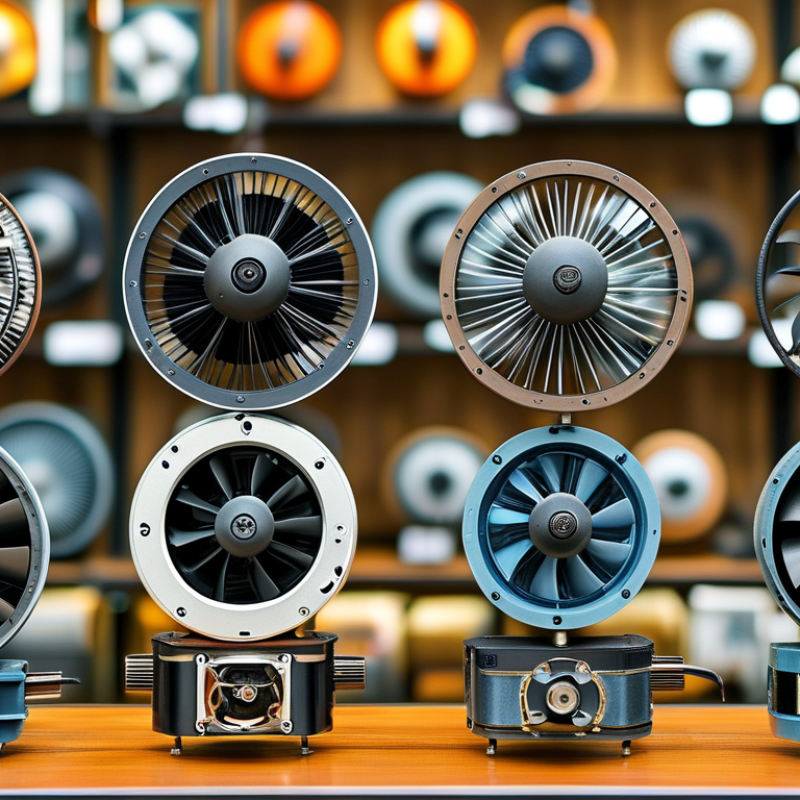
When choosing a fan motor, understanding the different types available is crucial. Motors generally fall into two main categories: AC and DC. AC motors are common in residential fans. They are reliable and durable, often powering ceiling fans and exhaust fans. DC motors, on the other hand, are more energy-efficient. They offer a quieter operation and can sometimes include variable speed settings.
Brushless motors have gained popularity, especially in modern designs. They require less maintenance and last longer than traditional brushed motors. Induction motors are another option, ideal for consistent performance in various conditions. However, they can be less efficient. You might encounter challenges when selecting between these types, as it depends on your specific needs.
Yet, not every motor suits all applications. Some users may notice less efficiency in smaller spaces. A fan with an AC motor might not provide the desired airflow in a compact room. The choice involves trade-offs. You may need to weigh noise levels against performance. Research is essential for making an informed decision in this diverse market.
Key Features to Consider When Choosing a Fan Motor
Choosing the right fan motor can significantly impact performance and efficiency. When selecting a fan motor, consider its speed control options. Motors with variable speed settings offer flexibility for different needs. This feature allows for customized airflow, making it ideal for diverse environments.
Another vital aspect is energy efficiency. Look for motors designed to consume less power without sacrificing performance. Energy-efficient motors can lower long-term operating costs. They are often quieter, contributing to a more pleasant atmosphere.
Additionally, the material quality of the motor matters. Motors made from durable materials tend to last longer and endure various operating conditions. Pay attention to warranty and support options. A good warranty can signal a manufacturer’s confidence in their product. Reflecting on these aspects can ensure your fan motor meets specific requirements effectively.
Applications of Various Fan Motor Types in Everyday Life
When selecting a fan motor, understanding its applications helps ensure you make an informed decision. Different types of fan motors are suited for various tasks in everyday life. For instance, an AC motor is often found in ceiling fans. This motor type is efficient for cooling large spaces.
In homes, DC motors are becoming popular. They consume less energy than AC motors and provide quiet operation. You’ll notice them in modern tower fans and some wall-mounted units. These motors are ideal for environments that require ease and silence, like bedrooms or offices.
Tips: Always consider energy efficiency when choosing a fan motor. It saves on your electricity bill and benefits the environment. Evaluate the space you plan to cool. A compact unit may work better in smaller rooms.
Another noteworthy motor type is shaded pole motors. These are commonly used in appliances like exhaust fans and small cooling units. They offer simplicity and cost-effectiveness but tend to be less powerful. Reflect on your specific cooling needs to ensure effective performance.
Maintenance Tips for Prolonging the Life of Fan Motors
Maintaining fan motors is essential for long-lasting performance. Regular cleaning is a simple yet effective strategy. Dust accumulation can drastically affect motor efficiency. Use a soft cloth to wipe down the exterior. A gentle vacuum can clear dust from hard-to-reach areas.
Lubrication is another key factor. Fan motors often require oiling to function smoothly. Check the manufacturer’s guidelines for lubrication frequency. Over time, bearings can wear out. Proper lubrication reduces friction and extends motor life.
Monitoring temperature is important too. Motors that run too hot can suffer damage. Ensure fans have adequate ventilation. Don't overload the motor, as this also leads to overheating. Too much strain can lead to premature wear. Regularly checking for unusual noises can signal a maintenance issue. Proactive measures can prevent costly repairs later on.



 Email
Email Whatsapp
 WeChat