Leave Your Message

Top 10 Heat Pump Filter Drier Features You Must Know?

When it comes to maintaining an efficient heating system, understanding your Heat Pump Filter Drier is crucial. This component plays a significant role in ensuring the longevity and performance of your heat pump. Not knowing its features could lead to costly repairs and inefficiencies.

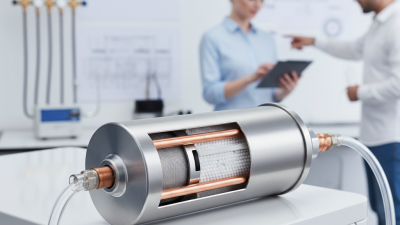
A Heat Pump Filter Drier serves to filter contaminants and moisture from the refrigerant. Knowing what to look for in a drier can save you time and money. There are essential features that can enhance your system’s operation.

It’s easy to overlook details. Many people might think all filter driers are the same. However, variations exist that can impact efficiency. Understanding these differences requires careful study and attention. By focusing on key features, you can avoid common pitfalls. Investing in knowledge about your Heat Pump Filter Drier is the first step towards a more reliable heating solution.
Top 10 Heat Pump Filter Drier Features You Must Know?

Key Functions of Heat Pump Filter Driers

Heat pump filter driers play a crucial role in maintaining the efficiency of HVAC systems. They serve multiple key functions that professionals should understand. One essential function is moisture removal. Moisture can lead to severe system issues, including corrosion and reduced efficiency. According to the Air-Conditioning, Heating, and Refrigeration Institute (AHRI), controlling moisture levels can enhance system life by up to 30%.

Another important function is contaminant filtration. Filter driers capture dirt, acids, and other impurities that could damage the compressor. Reports indicate that a clean system runs more efficiently, saving up to 15% in energy costs when properly maintained. Ensuring the filter drier is correctly installed and regularly checked can be the difference between peak performance and costly repairs.

Tips: Regularly inspect your heat pump filter drier for signs of wear. A simple visual check can prevent bigger issues down the line. Keep a log of service checks to help maintain a clear understanding of system health. Always consult a professional if you're unsure about the condition of your equipment, as their expertise can guide you on necessary actions.

Top 10 Heat Pump Filter Drier Features You Must Know

Feature Description Importance
Moisture Removal Effectively removes moisture from refrigerant, preventing system corrosion. Critical for system longevity and performance.
Filtration Capability Filters out contaminants and debris from refrigerant. Essential for maintaining system efficiency.
Thermal Expansion Control Regulates the flow of refrigerant in the system. Prevents liquid damage in the compressor.
Capacity to Handle Different Refrigerants Compatible with various refrigerants like R410A, R22. Enhances versatility in applications.
System Pressure Tolerance Designed to withstand high system pressures. Vital for safety and reliability.
Size and Portability Compact design for easy installation. Facilitates both residential and commercial applications.
Desiccant Material Uses advanced desiccants for efficient moisture absorption. Enhances moisture removal capacity.
Standard Certification Meets industry standards for safety and performance. Assures quality and reliability.
Maintenance Indicator Indicator for when to replace or clean the filter drier. Helps in proactive maintenance and prolonging unit life.
Cost-Effectiveness Affordable options available without compromising quality. Provides good value for investment.

Types of Filter Driers Used in Heat Pumps

When discussing heat pumps, understanding filter driers is essential. These components play a crucial role in maintaining system efficiency and longevity. There are primarily two types of filter driers: liquid line filter driers and suction line filter driers. Liquid line filter driers remove moisture and contaminants from the refrigerant before it enters the evaporator. This helps prevent freezing and ensures optimal heat exchange.

Suction line filter driers, on the other hand, are placed in the suction line. They operate differently, capturing lubricants and impurities returning to the compressor. Each type serves its purpose, ensuring smooth operation. It’s important to regularly check these driers, as neglect can lead to system failures.

Installation and maintenance details matter as well. Incorrect installation may compromise efficiency. Moreover, choosing the right size of filter drier is vital. An oversized or undersized unit can negatively impact performance. “Size matters” applies here; too much can cause pressure drops, while too little can fail to filter properly. Regular maintenance checks can help identify whether the filter drier is functioning optimally.

Essential Features for Efficient Heat Pump Operation

When considering the efficiency of heat pumps, the filter drier plays a crucial role. A quality filter drier protects the system by removing moisture and contaminants. These elements can cause significant damage if allowed to circulate within the unit. Understanding their importance can help in maintaining system longevity.

One essential feature is the desiccant material in the filter drier. This material absorbs moisture effectively, ensuring dry refrigerant flows through the system. Moreover, the filter must have adequate filtration capabilities. Small particles can hinder operation, reducing efficiency. A well-designed filter drier contributes to optimal performance and energy savings.

It’s also noteworthy that some filter driers include sight glasses. This allows users to monitor refrigerant flow and check for contaminants visually. While not every model has this feature, it can significantly enhance usability. However, relying solely on it for diagnosis has limitations. Regular maintenance checks are still necessary. Understanding these features can guide users towards making informed choices, ensuring efficient heat pump operation.

Maintenance Tips for Heat Pump Filter Driers

Maintaining your heat pump filter drier is crucial for optimal performance and longevity. Regular maintenance can prevent costly repairs. According to the American Society of Heating, Refrigerating and Air-Conditioning Engineers, neglecting routine maintenance can reduce efficiency by up to 30%. This underscores the importance of keeping a close eye on your system.

One effective strategy is to check the refrigerant levels regularly. Low levels can indicate leaks or other issues. Addressing these problems promptly can save both energy and money in the long run. A simple visual inspection can reveal a lot. Look for signs of wear or potential failures. This practice not only enhances reliability but also encourages proactive behavior in system management.

Ensure that the filter drier is free from dust and debris. A clean filter allows for better airflow and reduces strain on the heat pump. Clogged filters can lead to system inefficiencies, which may inadvertently escalate repair costs. Literature from the U.S. Department of Energy emphasizes that clean components provide significant energy savings. Implement these basic maintenance tips to improve your heat pump's performance and extend its lifespan. Ultimately, diligent upkeep can make a substantial difference.

Common Issues and Troubleshooting for Filter Driers

When it comes to filter driers in heat pump systems, understanding common issues is vital. Blockages are a frequent concern. They usually occur due to debris accumulation. This can lead to decreased efficiency and system strain. Studies suggest that nearly 70% of filter drier failures are linked to inadequate maintenance. Regular checks can help preempt serious complications.

Refrigerant leaks are another common problem. These leaks can significantly reduce system performance. In fact, a report by the Department of Energy highlights that even a small leak can cause a 10% efficiency loss. It’s essential to inspect connections and solder joints regularly. Identifying leaks early can save time and money on repairs.

Periodic replacements are necessary for optimal function. Filter driers need to be changed regularly based on usage. Some experts recommend changing them every one to two years. This can ensure that contaminants are effectively removed from the refrigerant, maintaining system integrity. Regular maintenance checks can improve system lifespan and performance. Remember to document your maintenance activities.