Top 10 Tips for Choosing the Right Condenser Fan Motor for Your Needs
In the world of HVAC systems, the importance of selecting the right condenser fan motor cannot be overstated. As industry expert Dr. Emily Carter, a leading engineer specializing in air conditioning technology, emphasizes, "A well-chosen condenser fan motor can significantly enhance efficiency and prolong the lifespan of your system." This highlights the critical role that this component plays in maintaining optimal performance in cooling systems.
When it comes to choosing a condenser fan motor, various factors must be considered to ensure that it meets specific operational needs. The right motor can lead to improved energy efficiency, reduced noise levels, and better overall comfort in your environment. Understanding the intricacies of fan motor specifications, compatibility with your existing system, and the specific demands of your cooling application is essential for making an informed decision.
This guide aims to provide you with the top ten tips for selecting the perfect condenser fan motor tailored to your requirements. By leveraging insights from experts and arming yourself with knowledge about the key features and considerations, you can ensure that your choice not only meets your needs but also supports the longevity and efficiency of your HVAC system.

Understanding the Role of a Condenser Fan Motor in HVAC Systems
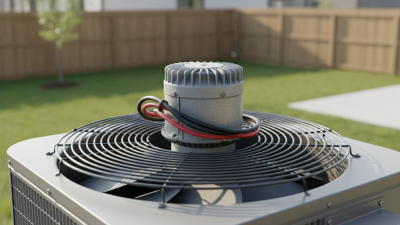
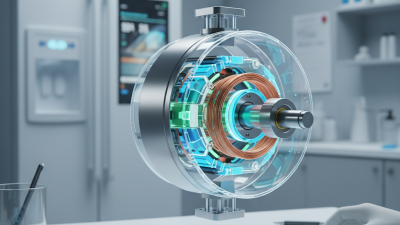
The condenser fan motor plays a crucial role in HVAC (Heating, Ventilation, and Air Conditioning) systems, primarily by facilitating the heat exchange process essential for cooling. It drives the condenser fan, which expels heat from the condenser unit, improving the overall efficiency of the system.
According to the U.S. Department of Energy, approximately 50% of energy use in a typical home comes from heating and cooling, making the efficient operation of components like the condenser fan motor vital for reducing energy consumption and minimizing utility costs.
Understanding the specifications and performance metrics of condenser fan motors can significantly impact HVAC system efficiency. Industry reports indicate that selecting a motor with appropriate horsepower and speed is critical for ensuring optimal airflow and heat removal.
The American Society of Heating, Refrigerating and Air-Conditioning Engineers (ASHRAE) recommends choosing motors with variable speed capabilities to enhance adaptability to changing load conditions.
Additionally, energy-efficient motors, particularly those compliant with the
NEMA Premium Efficiency standards, can yield energy savings of 5% to 10% over standard models, highlighting the importance of making informed choices in motor selection for long-term operational benefits.
Key Factors to Consider When Selecting a Condenser Fan Motor
When selecting the right condenser fan motor, there are several key factors you must consider to ensure optimal performance and longevity. First and foremost, the motor's horsepower rating should match the specifications of your cooling system to guarantee efficient operation. An undersized motor won't effectively cool your space, while an oversized motor can lead to energy waste and increased wear and tear.
Another critical aspect is the motor's construction and materials. A well-built motor with durable components can withstand varying environmental conditions, thus enhancing reliability. Look for features such as corrosion resistance and high-quality bearings that reduce friction and increase lifespan. Energy efficiency is also vital; selecting a motor that operates effectively within its energy class can significantly lower your operational costs.
Tip: Always check the voltage requirements of your system to avoid compatibility issues. Additionally, consider the operating environment of the motor. If it will be subjected to high temperatures or moisture, ensure the motor is rated for such conditions. Lastly, plan for maintenance; some motors may offer features that make upkeep easier, such as easily replaceable parts or self-lubricating components, which can save you time and effort in the long run.
Evaluating Motor Size and Compatibility with Existing Equipment
When selecting a condenser fan motor, evaluating its size and compatibility with existing equipment is crucial for ensuring optimal performance and efficiency. According to industry research, approximately 20-30% of energy consumption in HVAC systems is attributed to fan motors. Therefore, choosing a motor that aligns perfectly with your setup is vital. Proper sizing not only helps in maximizing airflow but also minimizes energy waste, contributing to lower operational costs.
Additionally, compatibility with existing equipment can greatly affect the longevity and functionality of your HVAC system. A study by the U.S. Department of Energy indicates that mismatched motor sizes can lead to increased wear and tear on components, potentially shortening their lifespan by up to 50%. When assessing compatibility, it’s important to consider factors such as frame size, voltage requirements, and mounting configurations. Verifying these parameters against your current system specifications can prevent future issues and ensure a seamless integration of the new fan motor into your setup. By prioritizing size and compatibility, you enhance the overall efficiency and reliability of your HVAC system.
Top 10 Tips for Choosing the Right Condenser Fan Motor for Your Needs
| Tip Number |
Tip Description |
Motor Size Considerations |
Compatibility Factors |
| 1 |
Determine the required airflow for your application. |
Calculate CFM needed for optimal performance. |
Ensure it fits your existing space and frame. |
| 2 |
Check the voltage and phase requirements. |
Verify whether you need 115V or 230V options. |
Match the motor phase with your system (single or three-phase). |
| 3 |
Consider the intended environment of use. |
Assess if high or low ambient temperatures are present. |
Ensure the motor is rated for the environment (e.g., dry, humid). |
| 4 |
Evaluate the efficiency ratings of motors. |
Look for energy-efficient models to save costs. |
Examine compatibility with energy-saving systems. |
| 5 |
Analyze noise levels from the motor. |
Opt for quieter models if noise is a concern. |
Ensure proper fitting to minimize vibration noise. |
| 6 |
Review the mounting requirements for installation. |
Check for specific mounting options needed. |
Confirm compatibility with existing mounting hardware. |
| 7 |
Identify the required control types. |
Determine if you need variable speed capabilities. |
Ensure control compatibility with existing setups. |
| 8 |
Assess the warranty and support services. |
Look for models with robust warranty options. |
Check availability of customer support resources. |
| 9 |
Compare prices across various retailers. |
Account for long-term costs, not just upfront price. |
Ensure shipping and handling options are reliable. |
| 10 |
Read reviews from other users. |
Get insights on performance and reliability. |
Learn about the experience with compatibility issues. |
Assessing Energy Efficiency Ratings for Long-Term Savings
When selecting a condenser fan motor, one of the most critical factors to consider is its
energy efficiency rating. Energy-efficient motors not only reduce power consumption but
also significantly contribute to long-term cost savings. Look for motors that have high energy efficiency ratings such as those labeled by recognized standards.
These ratings provide insights into how much electricity the motor uses in relation to its performance, ensuring you choose a unit that operates optimally
without unnecessarily driving up your energy bills.
In addition to direct savings on utility costs, energy-efficient motors often come with enhanced durability
and reliability. These motors typically feature advanced technology and superior materials that promote longevity and less frequent replacements. Investing in
a high-efficiency fan motor may have a higher upfront cost; however, the return on investment through reduced energy bills and maintenance expenses becomes
evident over time. Therefore, assessing energy efficiency ratings is pivotal in ensuring that you not only meet your immediate cooling needs but also make a
sustainable choice that benefits both your wallet and the environment.
Identifying Reliable Brands and Manufacturers for Quality Assurance
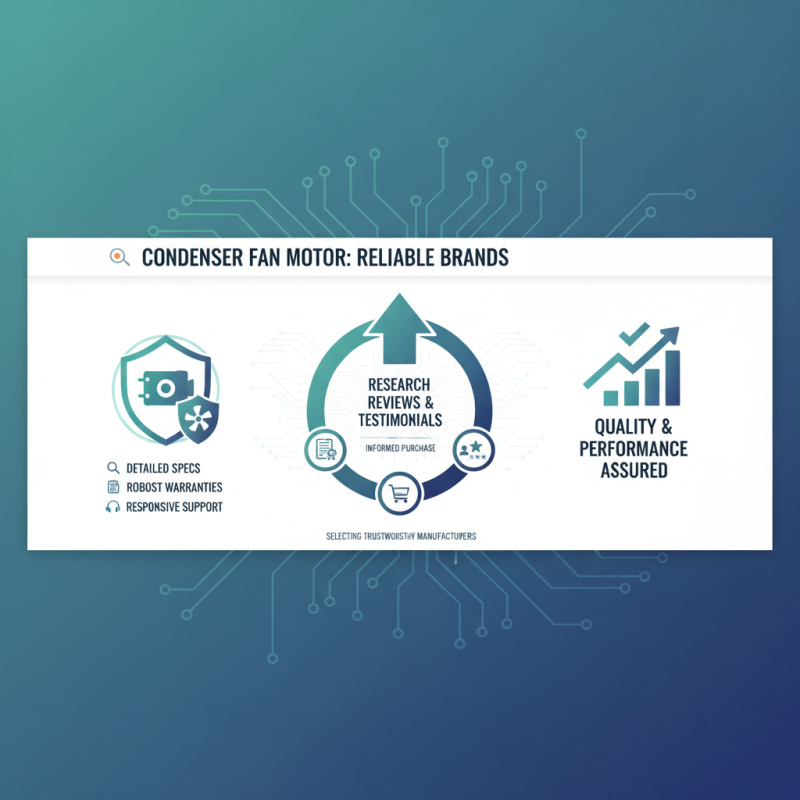
When selecting a condenser fan motor, identifying reliable brands and manufacturers is paramount for ensuring quality and performance. A trustworthy manufacturer will often provide detailed product specifications, robust warranties, and responsive customer service. Researching reviews and testimonials can help gauge a brand's reputation in the market, ultimately leading to a more informed purchasing decision.
One important tip is to verify if the manufacturer adheres to industry standards and certifications, as these can significantly reflect the reliability of their products. Look for manufacturers who are known for their rigorous quality control processes and who regularly update their technology to improve efficiency and durability. This not only assures you of the product's longevity but also enhances its operational effectiveness.
Additionally, consider reaching out to industry professionals or forums for recommendations on dependable brands. Engaging with informed individuals can provide insights into which manufacturers consistently deliver superior performance. This peer advice can be invaluable in narrowing down your options and ensuring that the motor you choose meets your specific needs efficiently.



 Email
Email Whatsapp
 WeChat