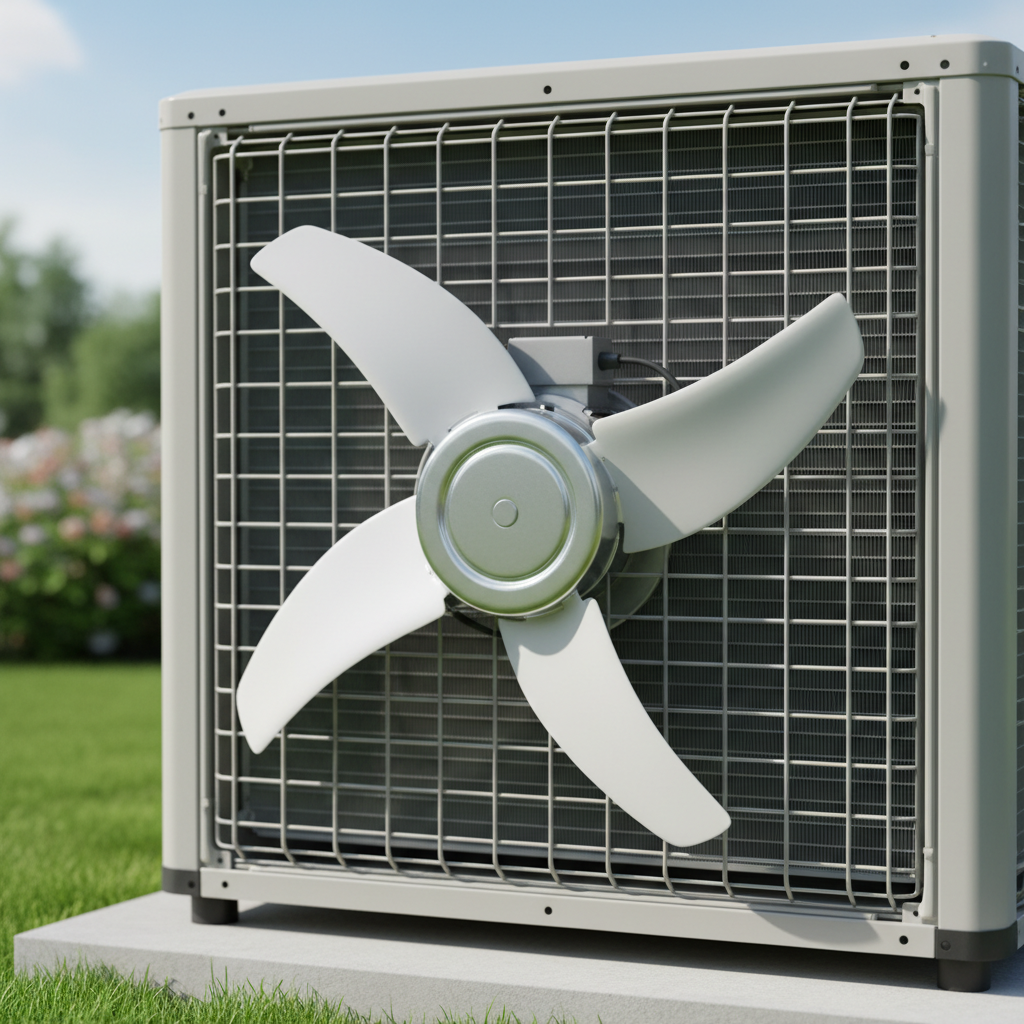
Top 5 HVAC Condenser Fan Motor Tips to Enhance Efficiency and Longevity
In the world of HVAC systems, the condenser fan motor plays a critical role in ensuring optimal performance and efficiency. This essential component is responsible for dissipating heat generated by the refrigerant in the condenser coil, facilitating proper cooling within your space. However, many homeowners and technicians often overlook the maintenance and care of the HVAC condenser fan motor, leading to decreased efficiency and premature wear.
By understanding and implementing the top five tips to enhance the performance and lifespan of your HVAC condenser fan motor, you can ensure that your system operates smoothly and effectively. These strategies not only help in improving energy efficiency but also contribute to a healthier indoor environment. In a time when energy costs are on the rise, prioritizing the maintenance of your HVAC systems, particularly the condenser fan motor, is more crucial than ever.
This article will delve into practical advice and actionable insights to keep your HVAC condenser fan motor running at peak performance. Whether you are a seasoned HVAC technician or a homeowner seeking to optimize your system, these tips will empower you to take control of your cooling system's efficiency and longevity.
Essential Maintenance Practices for HVAC Condenser Fan Motors
HVAC condenser fan motors play a crucial role in cooling systems, as they help to dissipate heat from refrigerants. Ensuring their efficiency and longevity is essential for optimal performance, especially in regions with high humidity levels, like Hong Kong. According to industry studies, regular maintenance can prevent up to 30% of operational issues related to these motors, leading to significant cost savings.
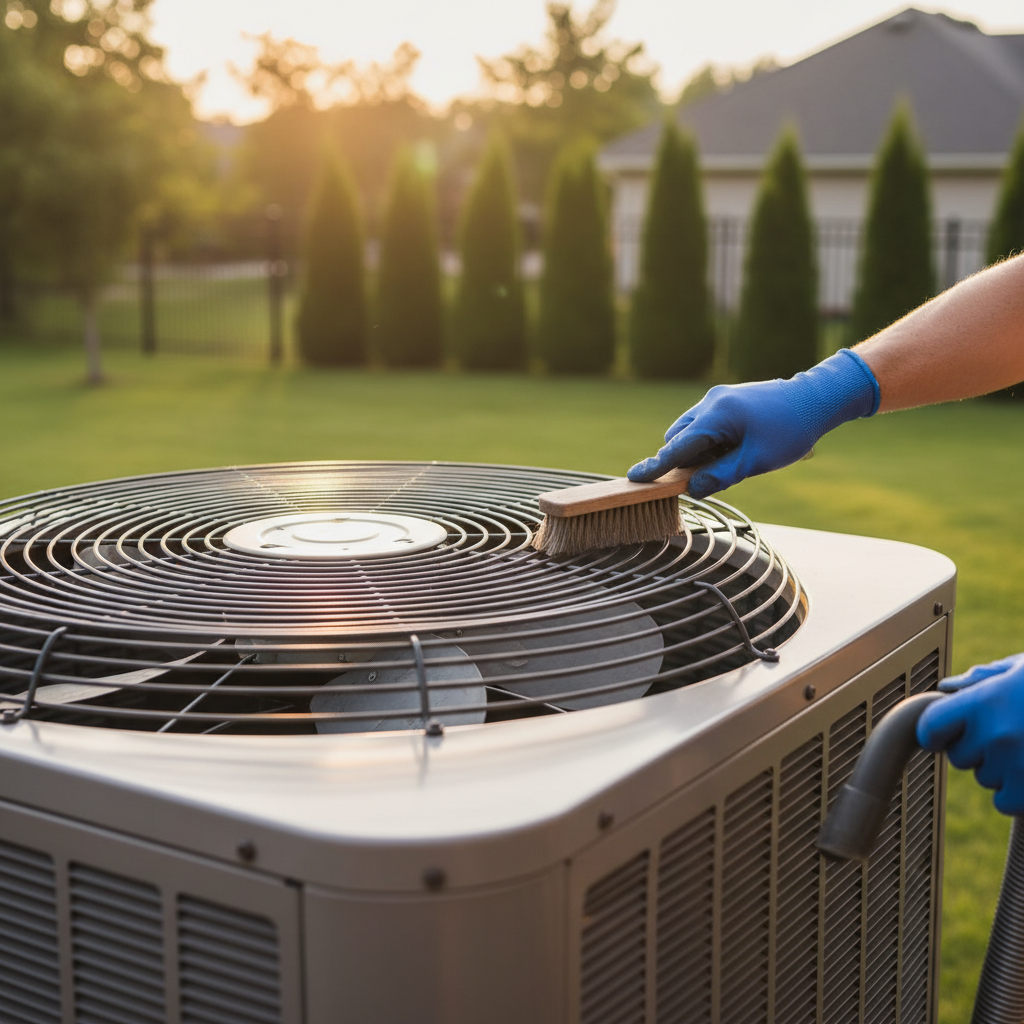
To enhance the efficiency of your HVAC condenser fan motor, it's vital to implement essential maintenance practices. One tip is to regularly check and clean the fan blades to avoid dust and debris buildup, which can hinder airflow. Moreover, lubricating the motor bearings can minimize friction, enhancing performance and extending the motor's life.
Another important practice is to inspect electrical connections and wiring for any signs of wear or corrosion. Maintaining proper electrical connections ensures that the motor operates efficiently, preventing voltage drops that could lead to overheating and premature failure. By incorporating these tips into your maintenance routine, you can ensure your HVAC system runs smoothly, even during the most humid months.
Choosing the Right Fan Motor for Optimal Performance
When selecting the right fan motor for your HVAC system, it's crucial to consider several factors that contribute to optimal performance. Firstly, make sure to choose a motor that matches the specific requirements of your condenser unit, including size, wattage, and voltage. A mismatched motor can lead to inefficiency, increased energy consumption, and potential damage to your system.
Tip: Regularly check the specifications of your current fan motor to ensure compatibility with upgrades or replacements. Additionally, consider investing in a variable-speed motor, which allows for greater control over airflow and can adjust to varying cooling demands, ultimately enhancing energy efficiency.
Another vital aspect is the quality of the fan motor. Opting for high-quality, durable motors can significantly extend the lifespan of your HVAC system. While these motors may come at a premium, the long-term savings on repairs and energy costs often outweigh the initial investment.
Tip: Look for motors with good warranties and positive reviews, as this can provide reassurance about their reliability and performance. By focusing on these elements, you can ensure that your HVAC system operates efficiently and lasts longer.
Top 5 HVAC Condenser Fan Motor Tips to Enhance Efficiency and Longevity
Common Issues and Troubleshooting Tips for Fan Motors
When it comes to maintaining the efficiency and longevity of HVAC condenser fan motors, understanding common issues is crucial. According to the U.S. Department of Energy, inefficient fan motors can lead to a 10-30% increase in energy consumption. One common issue is debris accumulation around the fan blades and motor, which can hinder performance and increase wear. Regular inspections and cleanings can mitigate this risk. A study by the American Society of Heating, Refrigerating and Air-Conditioning Engineers (ASHRAE) emphasizes that keeping components clean can improve airflow and overall system efficiency.
Another prevalent problem is electrical failure due to overheating. The National Association of Home Builders (NAHB) reports that electrical issues account for approximately 25% of HVAC equipment failures. Ensuring that wiring is properly insulated and that the motor is adequately ventilated can prevent overheating. Additionally, using quality replacement parts when servicing fan motors can further reduce the likelihood of issues. Regular maintenance checks, as recommended by HVAC professionals, can identify these problems early, ensuring both the efficiency of the system and the longevity of the fan motor. This proactive approach is essential for optimal HVAC performance.
Upgrading Your HVAC System for Increased Efficiency
Upgrading your HVAC system can significantly enhance its efficiency, leading to long-term energy savings and improved comfort. One effective way to achieve this is by investing in a high-quality condenser fan motor. A more efficient fan motor can optimize airflow across the condenser unit, reducing the amount of energy required to maintain the desired indoor temperature. When selecting a new motor, consider factors such as energy ratings and compatibility with your existing system to ensure maximum performance.
Additionally, regular maintenance of your HVAC system plays a crucial role in promoting longevity. Cleaning the condenser coils and ensuring proper fan operation can prevent unnecessary wear and tear, making your upgrade even more impactful. Combining a modern, efficient fan motor with diligent upkeep will not only enhance performance but also extend the life of your entire system. Emphasizing these upgrades and routines can lead you to a more sustainable and cost-effective HVAC solution.
Top 5 HVAC Condenser Fan Motor Tips to Enhance Efficiency and Longevity
| Tip |
Description |
Benefits |
Maintenance Frequency |
| Regular Cleaning |
Remove debris and dirt from the fan and surrounding areas. |
Improves airflow and reduces overheating. |
Monthly |
| Check Electrical Connections |
Inspect and tighten loose wiring connections. |
Prevents electrical failures and potential hazards. |
Quarterly |
| Lubricate Moving Parts |
Apply suitable lubricant to bearings and other moving components. |
Reduces friction and wear, enhancing motor performance. |
Biannually |
| Inspect Fan Blades |
Check for damage or wear on fan blades. |
Ensures optimal airflow and efficiency. |
Annually |
| Upgrade to Energy-Efficient Motors |
Replace old motors with high-efficiency alternatives. |
Saves energy and reduces operational costs. |
As needed |
Seasonal Preparation: Ensuring Your Fan Motor's Longevity
As seasons change, preparing your HVAC condenser fan motor is crucial for ensuring its longevity and efficiency. Regular maintenance plays a vital role in preventing unexpected breakdowns. One effective practice is to clean the fan motor and its surrounding area to remove dirt and debris. This not only promotes better airflow but also reduces strain on the motor, extending its lifespan.
 Additionally, it’s important to check the electrical connections and lubricate moving parts as needed. Proper lubrication minimizes friction, allowing the motor to operate smoothly and efficiently. Keeping an eye on the capacitor and replacing it if it shows signs of wear can also protect the motor from potential damage. By taking these proactive steps, you can enhance the performance of your HVAC system throughout the changing seasons, ensuring your fan motor remains reliable and efficient.



 Email
Email Whatsapp
 WeChat