What is a Filter Dryer and How Does it Work?
In the world of industrial processing, the "Filter Dryer" is an essential piece of equipment. It combines filtration and drying in one unit, ensuring products meet high-quality standards. Dr. Emily Chen, a leading expert in filtration technologies, notes, "Understanding the mechanics of a Filter Dryer can greatly enhance operational efficiency."
Filter Dryers operate by removing moisture and solid particles from various materials. This process not only improves product quality but also aids in energy conservation. However, many users overlook the importance of regular maintenance, which can lead to inefficiencies.
Implementing a Filter Dryer requires careful consideration of the specific application. The challenges can vary greatly between industries. Despite their benefits, some companies hesitate to invest in this technology. They may fear the complexity or potential costs. Ultimately, educating themselves on the intricacies of Filter Dryers can reveal their true value in enhancing manufacturing processes.
What is a Filter Dryer?
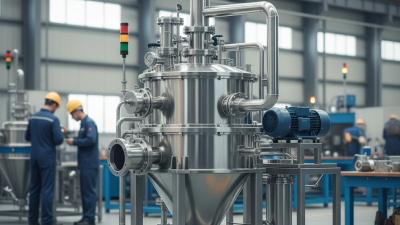
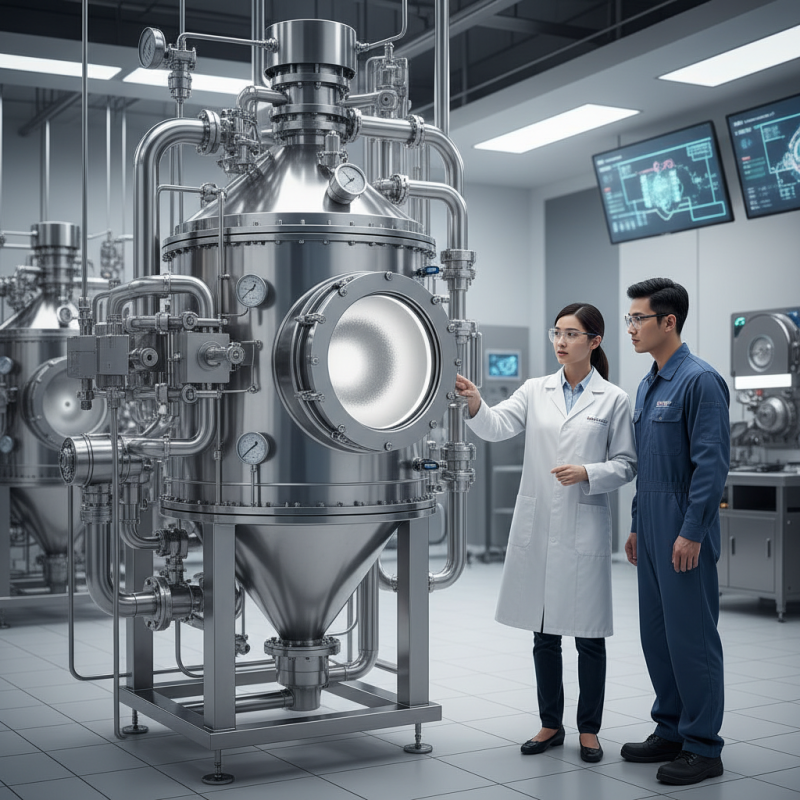
Filter dryers are essential equipment widely used in various industrial applications. They efficiently combine the filtration and drying processes into a single unit. This equipment is designed to handle a range of materials, including chemicals, pharmaceuticals, and food products.
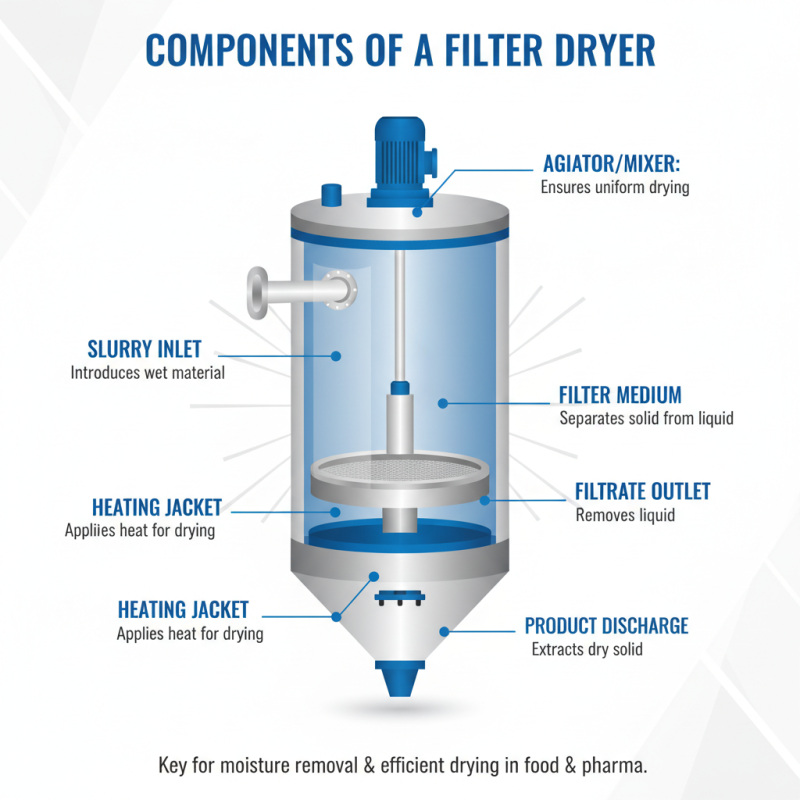
A filter dryer works by separating liquid and solid phases. In the initial phase, a slurry containing solids is introduced into the filter dryer. The system utilizes a filter medium to retain solid particles while allowing the liquid to pass through. Once the solids are filtered out, the drying process begins. Heat is applied, which evaporates the moisture from the solids, resulting in a dry powder. According to the latest industry reports, filter dryers can reduce processing time by up to 30%, significantly increasing overall efficiency.
Tips for maintenance: Regularly check the filter media for wear. Replace it when necessary to ensure optimal performance. Keep the heating elements clean to prevent heat transfer issues. Consider investing in sensors that monitor moisture levels for precise control during drying.
Though filter dryers offer many advantages, they are not without challenges. Issues like uneven drying or clogging can occur if not properly monitored. Operator training is crucial to mitigate these problems. Regular maintenance and adherence to operational protocols are vital to maximizing efficiency and reliability in industrial settings.
Components of a Filter Dryer
A filter dryer is an essential piece of equipment in various industries, including food and pharmaceuticals. Its primary role is to remove moisture from solid materials and facilitate efficient drying. Understanding the components of a filter dryer helps us appreciate its operation.
The main components include a filtration system, drying chamber, and a compressed gas or liquid system. The filtration system separates the solid from the liquid. This process often utilizes filter membranes or cloths designed for specific particle sizes. The drying chamber then heats the solid material, allowing evaporation. Efficient designs can yield moisture reduction rates of up to 90%, depending on the materials processed.
**Tip:** Regular maintenance of the filter and drying chambers is crucial. Neglect can lead to inefficiencies and increased operating costs, with some reports indicating that poorly maintained systems can lose up to 15% efficiency.
Another important component is the control system. It monitors temperature, pressure, and humidity. Automated control systems enhance reliability but require calibration. Improper calibration can lead to inconsistent drying results.
**Tip:** Implement routine checks to ensure your control system operates within specified parameters. Automation can be beneficial, but human oversight is often necessary for optimal performance.
The Working Principle of a Filter Dryer
A filter dryer is a vital piece of equipment in various industries. It plays a crucial role in removing moisture and particles from a product. The working principle revolves around combining filtration and drying processes. This ensures that the final product meets quality standards.
The filter dryer operates through a series of steps. Initially, the slurry or mixture enters the filtration chamber. Here, a filter media captures solid particulates. As the solids accumulate, they form a cake that enhances filtration efficiency. This cake can sometimes lead to challenges, such as increased resistance to flow. However, it helps in achieving a drier product in the end.
After filtration, the drying phase begins. Heat may be applied to evaporate residual moisture. This process can be controlled to prevent overheating or degradation of sensitive materials. Operators must monitor temperature and pressure closely. Any lapse can compromise product quality. Understanding these mechanisms is essential for maintaining performance and reliability in filter dryer operations.
What is a Filter Dryer and How Does it Work? - The Working Principle of a Filter Dryer
| Feature |
Description |
| Process |
Combines filtration and drying in a single step. |
| Filtration Mechanism |
Uses a filter medium to separate solids from liquids. |
| Drying Method |
Utilizes heat and vacuum to evaporate solvent from the solid phase. |
| Applications |
Used in pharmaceuticals, fine chemicals, and food industries. |
| Benefits |
Reduces processing time and cost, ensures product quality. |
| Maintenance |
Requires regular cleaning of filters and checking for leaks. |
Applications of Filter Dryers in Industry
Filter dryers play a crucial role in various industries. They efficiently separate solids from liquids while ensuring thorough drying of the product. This technology is widely used in pharmaceuticals, food processing, and chemical production. In these sectors, maintaining product quality is essential. Filter dryers help achieve this by providing a controlled environment for drying and filtering.
In the pharmaceutical industry, filter dryers are vital for producing high-purity drugs. The ability to handle sensitive materials under vacuum conditions keeps contaminants at bay. Similarly, in food processing, filter dryers assist in drying fruits and vegetables while preserving their nutrients. Chemical producers also rely on these systems for efficient filtration and drying of catalysts and pigments. Their versatility makes them invaluable assets across multiple fields.
Despite their advantages, filter dryers are not without challenges. Operators must manage potential clogs in the filtration system. Regular maintenance is required to prevent downtime. Careful monitoring of drying temperatures is necessary to avoid overheating, which can degrade some products. Learning from these challenges is key to optimizing filter dryer performance.
Applications of Filter Dryers in Industry
Advantages of Using Filter Dryers
Filter dryers are gaining traction in various industries due to their efficiency and versatility. According to recent reports, these systems can reduce energy consumption by up to 30% compared to traditional drying methods. This efficiency is crucial for industries needing swift processing, such as pharmaceuticals and food production.
One of the significant advantages of filter dryers is their ability to provide a closed-system environment. This reduces contamination risks, enhancing product purity. A study highlighted that using filter dryers can lead to a 20% increase in yield, illustrating their effectiveness in maximizing output. Moreover, the ability to control humidity levels translates into fewer quality issues, which is a common challenge in manufacturing.
Another noteworthy benefit lies in their ease of operation. Filter dryers often require less manual intervention, minimizing human error. However, operators must remain vigilant. While these systems are automated, understanding their functionality is vital for optimal operation. Training staff adequately is necessary to harness the full potential of these advanced systems. Thus, while filter dryers present many advantages, they also require thoughtful implementation and oversight.



 Email
Email Whatsapp
 WeChat