What is a Condenser Fan Motor and How Does It Work?
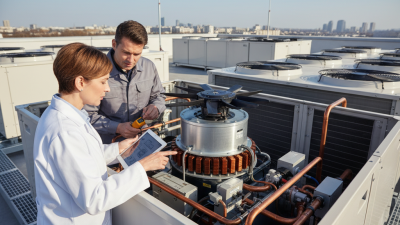
In the realm of HVAC systems, the importance of a robust Condenser Fan Motor cannot be overstated. According to John Smith, a veteran HVAC technician, "The efficiency of any cooling system hinges on the performance of its condenser fan motor." This simple statement encapsulates the role of the condenser fan motor in maintaining optimal system functionality.
These motors are integral to air conditioning systems, providing essential airflow over the condenser coils. Without a properly functioning condenser fan motor, heat exchange becomes inefficient. This can lead to system failures or increased energy costs. It’s clear that neglecting this component can result in broader issues.
Many overlook maintenance, thinking all will be well. Regular checks on the condenser fan motor can prevent unexpected breakdowns. In the end, recognizing the significance of these motors is crucial for longevity and efficiency. A small oversight could mean bigger problems down the line, reminding us to remain vigilant in our maintenance practices.
What is a Condenser Fan Motor?
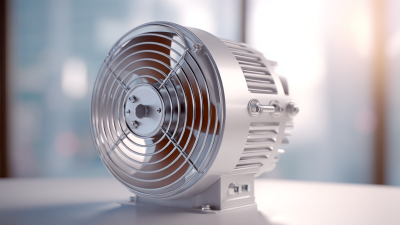
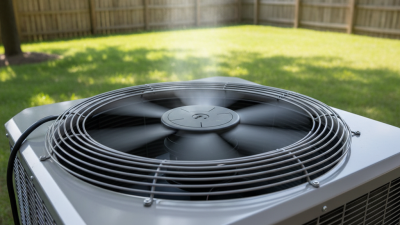
A condenser fan motor is a crucial component in air conditioning systems. It helps to cool down the refrigerant in the outdoor unit. This process is essential for maintaining efficient cooling inside your home. The motor powers the fan, which draws air over the condenser coils. As air passes over the coils, it removes heat from the refrigerant, allowing the cooling cycle to continue.
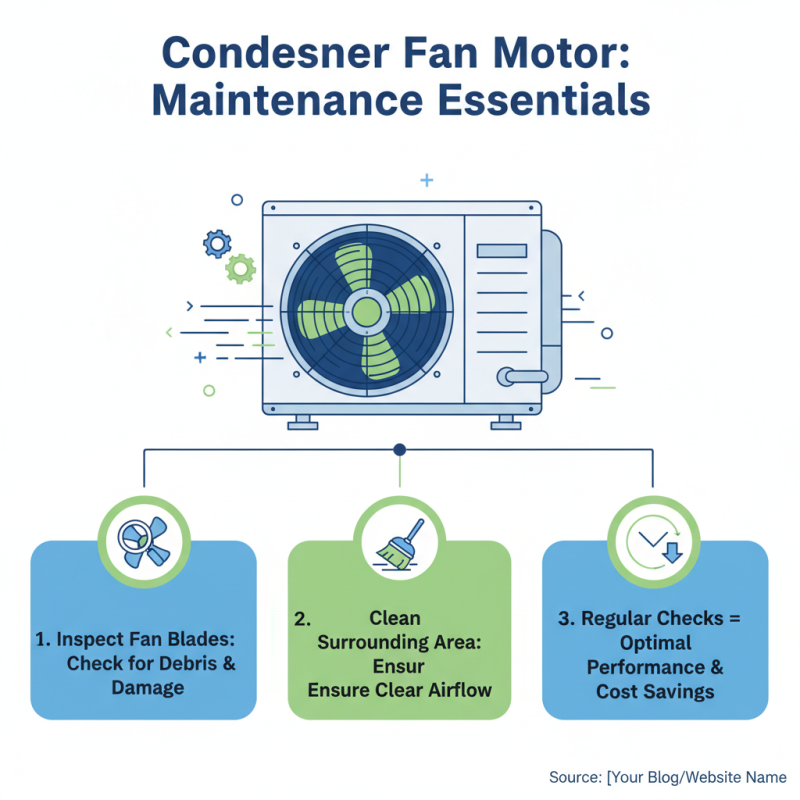
Tips: Regular maintenance is essential. Clean the fan blades and coils to ensure optimal performance. Debris can block airflow and decrease efficiency.
Understanding how the condenser fan motor works can prevent issues. If the fan does not operate, it can lead to overheating. This may cause the entire system to fail. Pay attention to unusual noises from the motor. These can indicate potential problems needing prompt attention.
Tips: Listen for strange sounds. If you hear anything unusual, investigate it sooner rather than later. Ignoring issues can lead to costly repairs down the line.
What is a Condenser Fan Motor and How Does It Work?
| Feature |
Description |
| Function |
Circulates air over the condenser coils to cool refrigerant. |
| Type |
Single-phase and three-phase motors available. |
| Power Rating |
Typically between 1/4 HP to 1 HP. |
| Speed |
Commonly operates at 850 to 1075 RPM. |
| Environmental Impact |
Energy-efficient designs help reduce electrical consumption. |
| Maintenance |
Regular cleaning of fan blades and coils is recommended to ensure optimal performance. |
| Common Issues |
Overheating, noise, or complete failure can occur if not properly maintained. |
| Replacement |
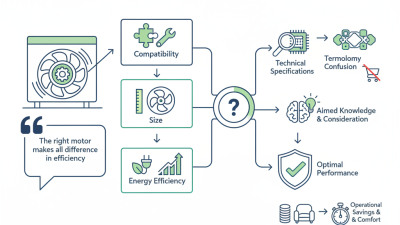
Ensure compatibility with existing HVAC systems when replacing. |
Components of a Condenser Fan Motor
A condenser fan motor is a crucial component in many cooling systems. It helps to expel heat from the refrigerant in the condenser coil. The motor drives the fan, which circulates air across the condenser to enhance heat dissipation. This process is vital for achieving efficient cooling performance.
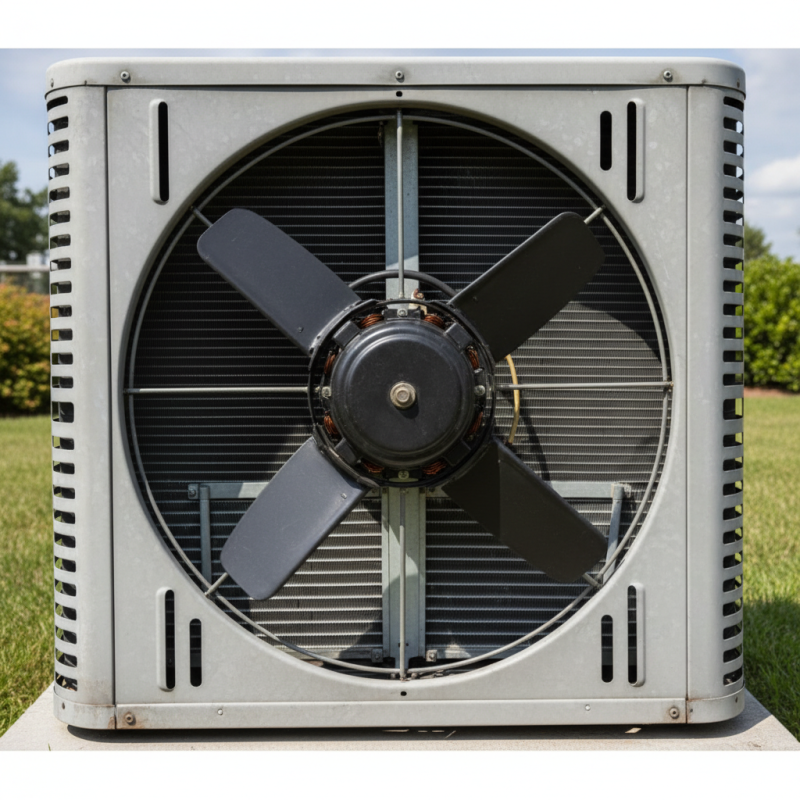
The main parts of a condenser fan motor include the rotor, stator, and housing. The rotor spins when electrical current flows through the wires. The stator remains stationary and generates the magnetic field needed for rotation. The motor housing protects these components from dirt and damage. Additionally, bearings inside the motor allow for smooth rotation and minimize friction.
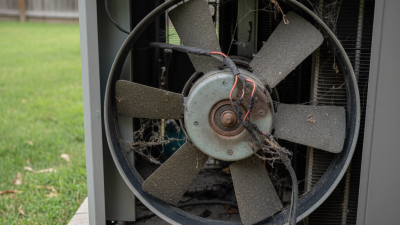
One common issue with condenser fan motors is overheating. This can occur due to dirt buildup or power supply problems. A lack of maintenance often leads to these issues. It's essential to periodically check the condenser and clean any debris. Checking wiring connections is equally important. Neglecting these tasks can result in decreased performance and eventual failure.
How a Condenser Fan Motor Works
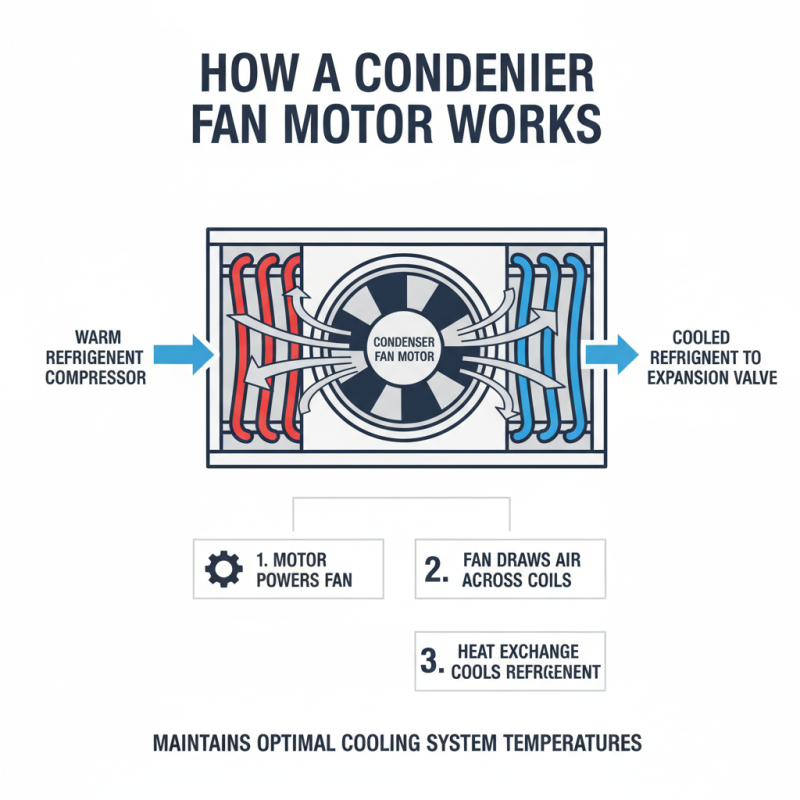
A condenser fan motor plays a vital role in cooling systems. It helps maintain optimal temperatures by circulating refrigerant through the condenser coils. When the system operates, the motor powers the fan, drawing air across the coils. This process enhances heat exchange, allowing refrigerant to cool efficiently.
Understanding how a condenser fan motor works is essential. The motor's speed can significantly impact energy consumption. According to industry reports, reducing fan speed by just 20% can lower power use by up to 25%. Regular maintenance is crucial for efficiency. Dust buildup on blades can hinder performance and increase energy costs.
**Tip:** Check and clean the fan regularly. A clean fan operates more efficiently.
With time, motors can wear out, affecting their functionality. Strange noises or inconsistent cooling may indicate problems. It's important to monitor these signs to avoid complete failure. Ignoring them can lead to costly repairs.
**Tip:** Listen for unusual sounds. Address issues early to prevent bigger problems.
Common Issues with Condenser Fan Motors
Condenser fan motors play a critical role in HVAC systems. However, they can experience several common issues. One such issue is overheating. Motors working too hard can lead to early failure, often due to clogged filters or low refrigerant levels. According to industry reports, about 30% of HVAC failures relate to motor issues.
Another common problem is the failure to start. This may stem from electrical problems, such as loose connections or faulty capacitors. A study found that 25% of service calls are due to starting difficulties. Ensuring proper connections and regular inspections can mitigate this issue.
Tips: Regularly clean the condenser unit to prevent dirt accumulation. Monitor the system's performance to catch potential issues early. Checking electrical connections every few months can save you from unexpected breakdowns. Being proactive is key.
Condenser Fan Motor Common Issues



 Email
Email Whatsapp
 WeChat