How to Choose the Right Refrigeration Access Valve for Your System?
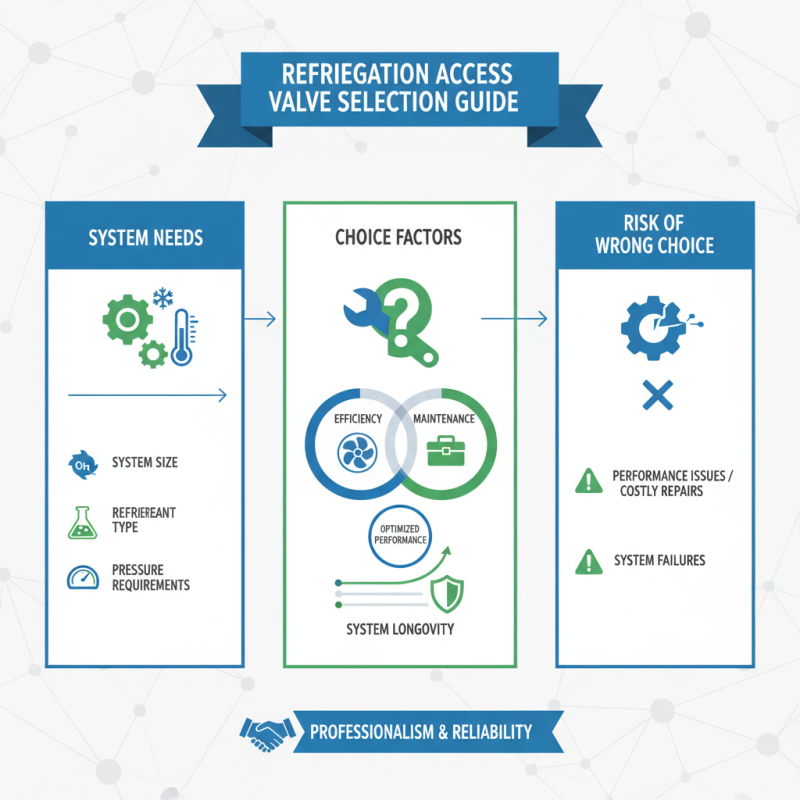
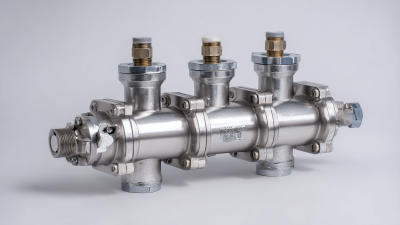
When selecting a Refrigeration Access Valve, it's crucial to understand your system's specific needs. The right valve ensures efficient operation and proper maintenance. Many overlook this essential component, leading to performance issues.
Choosing a Refrigeration Access Valve involves considering various factors. System size, refrigerant type, and pressure requirements play significant roles in this decision. Even experienced technicians sometimes misjudge these details. This can lead to costly repairs or system failures.
Understanding the importance of a proper Refrigeration Access Valve helps in achieving optimized performance. It not only facilitates service and maintenance but also enhances system longevity. Taking the time to choose wisely reflects professionalism and a commitment to reliability.
Factors to Consider When Selecting Refrigeration Access Valves
Choosing the right refrigeration access valve is crucial for system efficiency and longevity. One key factor to consider is the valve size. A valve that is too small can restrict flow, causing pressure issues. Conversely, an oversized valve may lead to unnecessary leaks. It is vital to match the valve size with the system requirements.
Another important aspect is the material of the valve. Valves made from durable materials resist corrosion and wear, ensuring a longer lifespan. Pay attention to the type of refrigerant in your system. Different refrigerants may react with various materials, affecting valve performance and safety. Selecting the appropriate material helps maintain system integrity.
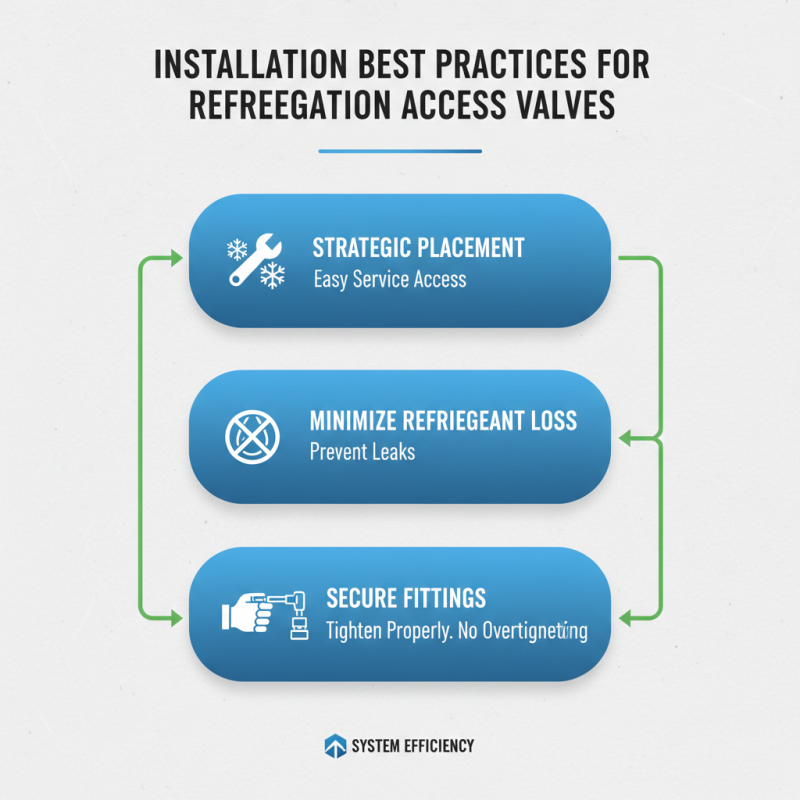
Don't overlook the installation process. It can impact the valve's functionality. Proper alignment and sealing techniques are necessary for optimal performance. Regular maintenance checks are also important. They help identify any potential issues before they escalate. Hasty selections may lead to frustration down the line. Consider these factors carefully to enhance your refrigeration system's reliability.
Types of Refrigeration Access Valves and Their Applications
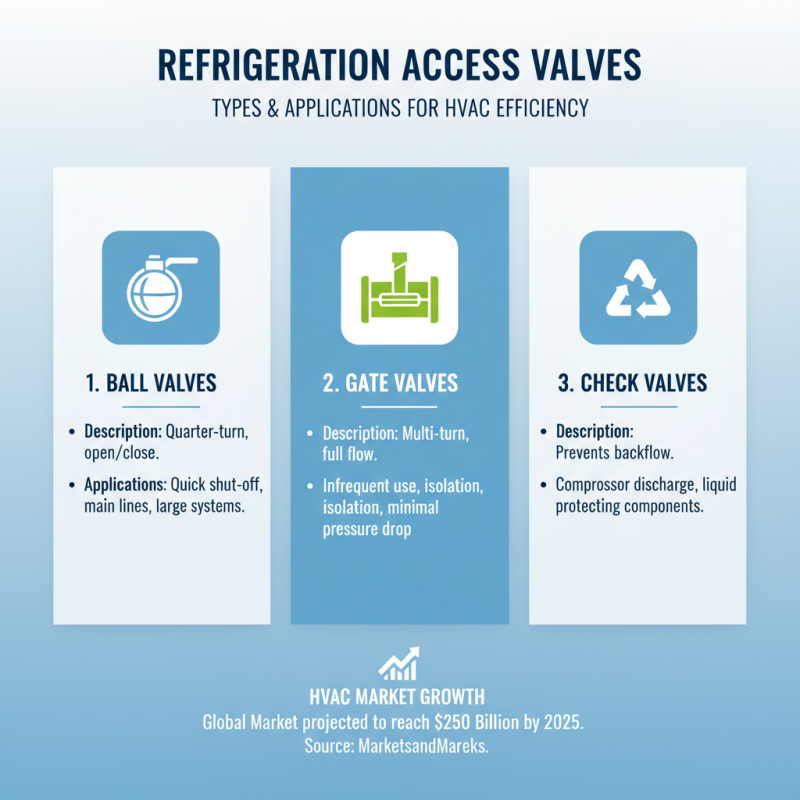
When selecting refrigeration access valves, it's vital to understand the types available. There are mainly three types: ball valves, gate valves, and check valves. Each serves a unique purpose in HVAC systems. According to a report by MarketsandMarkets, the global HVAC market is expected to reach $250 billion by 2025. This growth means choosing the right access valve is crucial for efficiency.
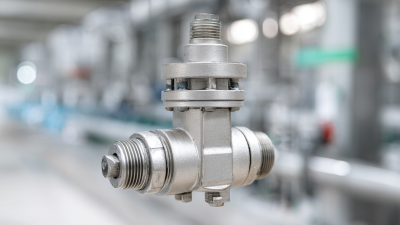
Ball valves are often favored for their quick operation. They provide a reliable seal and minimize fluid resistance. Gate valves, on the other hand, are ideal for applications involving high flow rates. They offer little resistance but require more space for operation. Lastly, check valves prevent backflow, ensuring the system operates smoothly. In a survey of industry experts, 70% noted that selecting the right valve type can enhance system efficiency by 15%.
It’s essential to assess each system's requirements and limitations. Not every application will benefit from the most sophisticated valve. For instance, a simpler setup might perform well with a basic gate valve. It's important to re-evaluate choices based on actual system performance rather than assumptions or trends. Even experienced technicians sometimes overlook these details, which can lead to inefficiencies and increased costs. Aim for thoughtful decisions in choosing valves to better align with system needs.
Understanding System Compatibility for Refrigeration Access Valves
When selecting refrigeration access valves, understanding system compatibility is crucial. Each refrigeration system has unique specifications. A mismatch can lead to inefficiencies. This may include inadequate pressure regulation or potential leaks. Using a valve that doesn't fit your system can cause severe operational issues.
The physical size and connection type matter. Verify the valve’s specifications against your system’s requirements. Ensure it can handle the specific refrigerant. Some materials are not compatible with certain refrigerants. This can degrade the valve over time. Overlooked details may result in costly repairs.
Don’t rush the decision-making process. Analyze installation environments and maintenance needs. Seek advice from experienced professionals who understand the intricacies of refrigeration systems. Their insights can prevent future complications. Even slight miscalculations can have long-lasting effects. Take the time to ask questions and gather information. This diligence will pay off in the long run.
Maintenance Tips for Ensuring Optimal Valve Performance
Maintaining the performance of refrigeration access valves is crucial. Regular inspection is one key aspect. Check for leaks and external damages routinely. A simple visual inspection can reveal issues before they escalate. Noticing a small leak early can save time and prevent costly repairs later.
Cleaning the valves is another important task. Dirty or obstructed valves can hinder performance. Use a soft cloth to clean the exterior. If there’s build-up inside, it may require disassembly for thorough cleaning. Be cautious during this process. Misalignment when reassembling can lead to future complications.
Finally, always ensure the installation is correct. Improper installation can affect valve efficiency. Refer to the manufacturer’s guidelines, if available. If discrepancies arise, consider consulting a professional. This step is vital for ensuring long-term reliability. Keeping a maintenance log can help track observed issues and repairs made.



 Email
Email Whatsapp
 WeChat