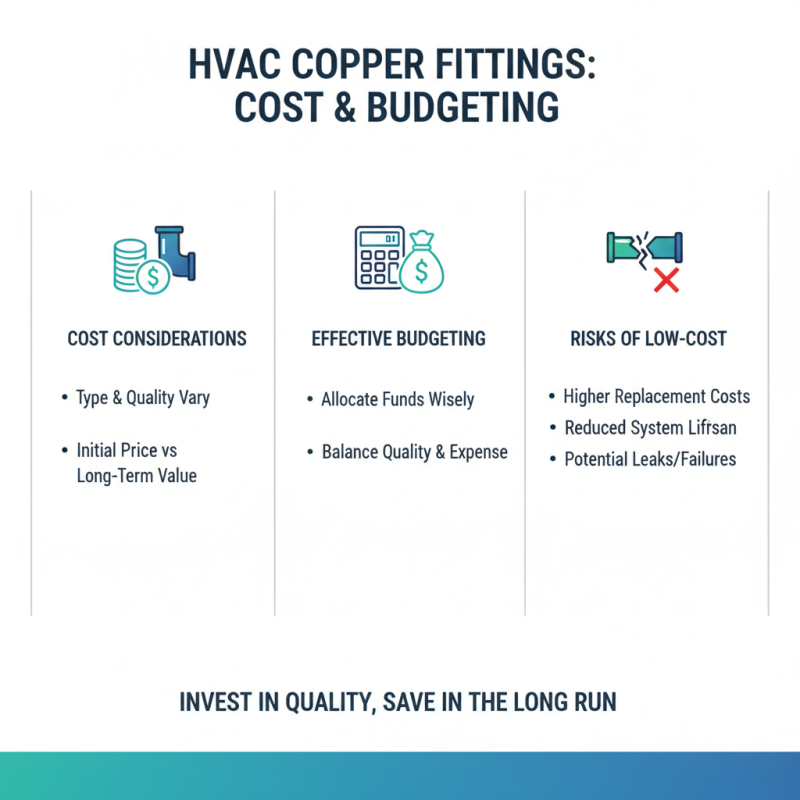
How to Choose the Right HVAC Copper Fittings for Your Needs?
Choosing the right HVAC copper fittings can be a daunting task for both professionals and DIY enthusiasts. The market is flooded with options, and selecting the correct ones is crucial for system efficiency. According to a report by the American Society of Heating, Refrigerating and Air-Conditioning Engineers (ASHRAE), improper fitting selection can lead to a 20% decrease in overall HVAC system performance.
Expert John Smith, a seasoned professional in HVAC systems, emphasizes, "The quality and compatibility of copper fittings can significantly impact the longevity of your installation." With this insight, it becomes evident that understanding the specifications and applications of HVAC copper fittings is essential.
While many may overlook these critical components, it’s vital to ask the right questions. What specific application will the fittings serve? Are the materials suitable for the intended environment? Reflecting on these aspects can shape your choices. It's easy to feel overwhelmed by the choices, but thoughtful consideration can guide you to make informed decisions.
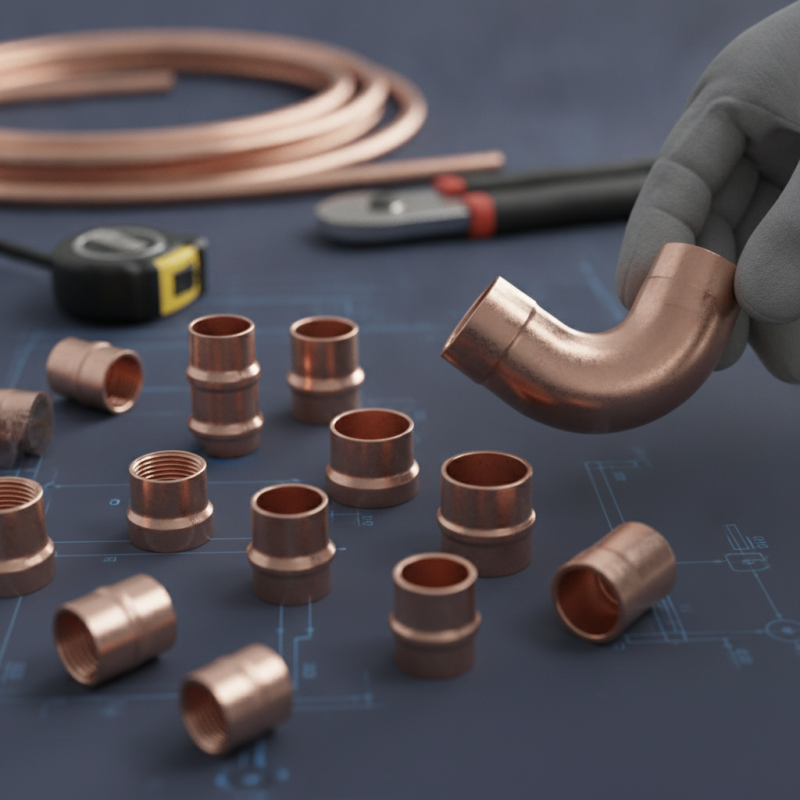
Understanding the Different Types of HVAC Copper Fittings Available
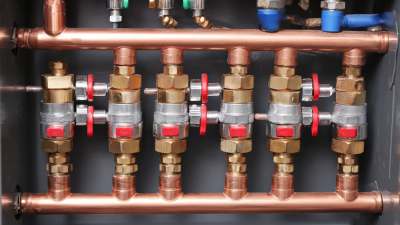
When selecting HVAC copper fittings, understanding the available types is essential. Copper fittings are commonly used for their durability and efficiency. The main categories include solder fittings, compression fittings, and flare fittings. Solder fittings require a torch for connection, which may not be suitable for all users. In contrast, compression fittings are easier to install and do not need heat. Flare fittings create a tight seal using a 45-degree angle, making them reliable in high-pressure applications.
Industry reports indicate that copper remains the preferred choice in HVAC systems due to its excellent thermal conductivity. Approximately 70% of HVAC professionals opt for copper fittings over alternatives. They appreciate their longevity and resistance to corrosion, leading to lower maintenance costs. However, it is important to consider environmental factors such as temperature and pressure when choosing the right fitting.
Tip: Always double-check the specifications of your HVAC system. A mismatch can lead to inefficiency or system failure. Pay attention to the pressure ratings of fittings before installation. Another consideration is whether a fitting will be used in a location where future accessibility may be needed. Accessibility affects maintenance in the long run, so plan accordingly.
Factors to Consider When Selecting Copper Fittings for HVAC Systems
When selecting copper fittings for HVAC systems, several factors come into play. Material quality is crucial. High-quality copper ensures durability and corrosion resistance. Look for fittings that meet industry standards, which can indicate reliability. Improper fittings may lead to leaks or inefficiencies, wasting energy and resources.
Size and compatibility matter significantly. Ensure that the fittings match the diameter of your HVAC pipes. Mismatched sizes can disrupt the system’s flow. Additionally, consider the soldering methods used for installation. Different fittings may require specific soldering techniques. This oversight can complicate assembly and maintenance.
In terms of design, choose fittings that allow for easy installation and future servicing. Some designs may appear more straightforward but can hinder access later. These choices can impact overall system efficiency. Evaluate your long-term needs versus short-term convenience. Evaluate all factors carefully to make informed selections for your HVAC system.
Evaluating the Size and Compatibility of Copper Fittings
Choosing the right HVAC copper fittings is crucial for system efficiency. The size of the fittings must match your pipes precisely. Mismatched sizes can lead to leaks and inefficiency. It is essential to measure the diameter of your existing pipes accurately before purchasing any fittings. A fitting that is too small may not create a secure seal. Conversely, one that is too large can compromise system integrity.
Compatibility is another critical aspect. Not all copper fittings can work with every HVAC system type. Understanding the specifications of your HVAC design can help steer you in the right direction. A fitting that lacks compatibility may cause operational issues. Research the requirements specific to your system to avoid costly mistakes.
While it may seem straightforward, even experienced technicians face challenges in this area. They sometimes overlook minor details, leading to significant problems later on. It’s wise to revisit measurements and compatibility checks before finalizing your choice. Taking time to reflect on these factors can save you headaches in the long run.
How to Choose the Right HVAC Copper Fittings for Your Needs?
| Fitting Type |
Size (inches) |
Application |
Compatibility |
Average Price ($) |
| Elbow |
1/4 |
Refrigeration Lines |
Copper, PVC |
5.00 |
| Coupling |
3/8 |
Joining Pipes |
Copper |
3.50 |
| Cap |
1/2 |
Sealing Open Ends |
Copper |
2.00 |
| Reducer |
3/4 to 1/2 |
Changing Pipe Size |
Copper |
7.50 |
| Tee |
1/2 |
Connecting Three Pipes |
Copper, PVC |
4.50 |
Assessing Material Quality and Durability for HVAC Applications
When selecting HVAC copper fittings, material quality and durability are crucial. Copper fittings should comply with industry standards to ensure long-lasting performance. According to a report from the International Copper Association, high-purity copper offers superior resistance to corrosion. This durability is essential, especially in humid environments where fittings are prone to degradation.
Quality can often be influenced by the manufacturing process. Cast copper fittings, for instance, tend to be more robust than those made from lower-grade materials. This aspect significantly impacts system efficiency and lifespan. Additionally, fittings that withstand high pressures and temperatures will reduce the risk of leaks, a primary concern in HVAC applications.
Tips: Always check for certification marks on fittings. These indicate compliance with regulatory standards. Consider opting for fittings with a known history of performance. Not all suppliers guarantee quality, and selecting a lesser-known option may lead to disappointment in the long run. Thoroughly review material specifications before purchasing to ensure they meet project requirements.
Material Quality and Durability of HVAC Copper Fittings



 Email
Email Whatsapp
 WeChat