How to Choose the Right Freezer Motor for Your Home Appliance Needs
Choosing the right Freezer Motor for your home appliance needs is a critical decision that can significantly impact the efficiency and longevity of your refrigeration system. According to the U.S. Department of Energy, approximately 13% of household energy consumption is attributed to refrigeration appliances, underscoring the importance of selecting a motor that not only meets performance standards but also operates efficiently. With advancements in technology, modern freezer motors now offer improved energy efficiency ratings, which can lead to substantial cost savings on energy bills—often ranging from 10% to 30% compared to older models.
Selecting an appropriate Freezer Motor is not only about compatibility but also about understanding the specific cooling requirements of your freezer. Different applications and sizes may necessitate distinct types of motors, with some models designed for heavy-duty use while others are meant for lighter, household applications. The International Electrotechnical Commission (IEC) highlights the growing trend of energy-efficient systems, which is increasingly becoming a standard expectation among consumers and manufacturers alike. By considering factors such as size, power consumption, and efficiency ratings, homeowners can make a more informed choice that aligns with both their appliance needs and environmental standards.

Understanding Freezer Motor Types and Their Functions
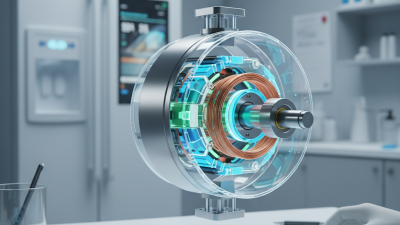
When selecting the right freezer motor for your appliance needs, it is essential to understand the different types of freezer motors available and their corresponding functions. Generally, there are two main categories of freezer motors: compressor motors and evaporator fan motors. According to a report by Frost & Sullivan, the refrigerator compressor motor market is projected to grow by 6.5% annually through 2025, reflecting the rising demand for energy-efficient cooling solutions. Compressor motors operate by compressing refrigerant gas, facilitating the absorption of heat from the freezer compartment and maintaining optimal temperature levels.
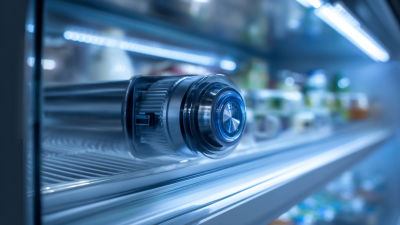
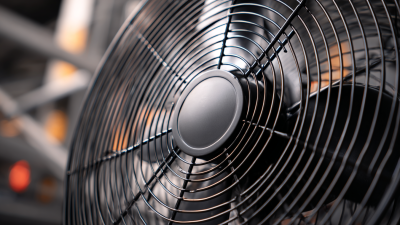
On the other hand, evaporator fan motors play a crucial role in circulating cold air throughout the freezer. A study by the U.S. Department of Energy highlights that proper air circulation can enhance the efficiency of freezers by up to 30%. Evaporator fan motors are designed to maintain even temperatures and prevent ice buildup, ensuring that food is preserved effectively. Understanding these motor types and their functions will enable homeowners to make informed choices that enhance the reliability and efficiency of their home appliances.
Factors to Consider When Choosing a Freezer Motor
When selecting a freezer motor for your home appliance, several key factors should be considered to ensure optimal performance and longevity. First, assess the size and type of freezer you have, as different models may require specific motor specifications. A motor with a suitable horsepower rating is critical; it directly influences how effectively the appliance can maintain low temperatures. Consider energy efficiency as well, as a highly efficient motor will not only save you money on electricity bills but also contribute to environmental conservation.
Tips: Always check the compatibility of the motor with your freezer model before making a purchase. Additionally, researching the motor's power consumption can help you choose a more sustainable option.
Another important factor is the noise level of the motor. Some motors operate quietly, while others may produce noticeable sounds during cycling. If noise is a concern for you, look for specifications that indicate low decibel levels. The durability of the motor is also essential; a high-quality motor constructed from robust materials can withstand wear and tear, providing reliable service over the years.
Tips: Read user reviews and ratings to gauge the noise levels and durability of potential motor options. This feedback can offer valuable insights into real-world performance.
Assessing Power Requirements for Your Freezer Needs
When selecting the right freezer motor for your home appliance needs, understanding the power requirements is essential. A freezer's motor must be capable of efficiently maintaining the designated temperature while also fitting within the available electrical specifications. Most residential freezers operate on standard voltage, either 110V or 220V, depending on the region. However, beyond voltage, wattage is crucial to consider as it directly affects energy consumption and overall performance. You need to ensure that the chosen motor can handle the load, especially if the freezer is operated frequently or contains a large volume of food.
**Tips:** When assessing motor power requirements, start by checking the energy label on your freezer. This will provide essential information about power consumption and help you gauge how robust a motor you need. Additionally, consider the size and capacity of your freezer; larger units will typically require more powerful motors to function optimally.
Another factor to take into account is the ambient temperature of the environment where your freezer is located. If the surrounding area is warmer, the motor may need to work harder to keep the freezer cool, leading to potential issues if it's not adequately rated for such conditions.
**Tips:** It's advisable to consult an electrical engineer or a technician when in doubt about the right specifications. They can help determine the most suitable motor that balances efficiency and power to meet your specific requirements without overloading your electrical system.
Freezer Motor Power Requirements
This chart illustrates the power requirements in watts for different categories of freezers based on their size and capacity. Understanding these metrics can help you choose the right motor for your home appliance.
Compatibility with Your Existing Appliance Setup
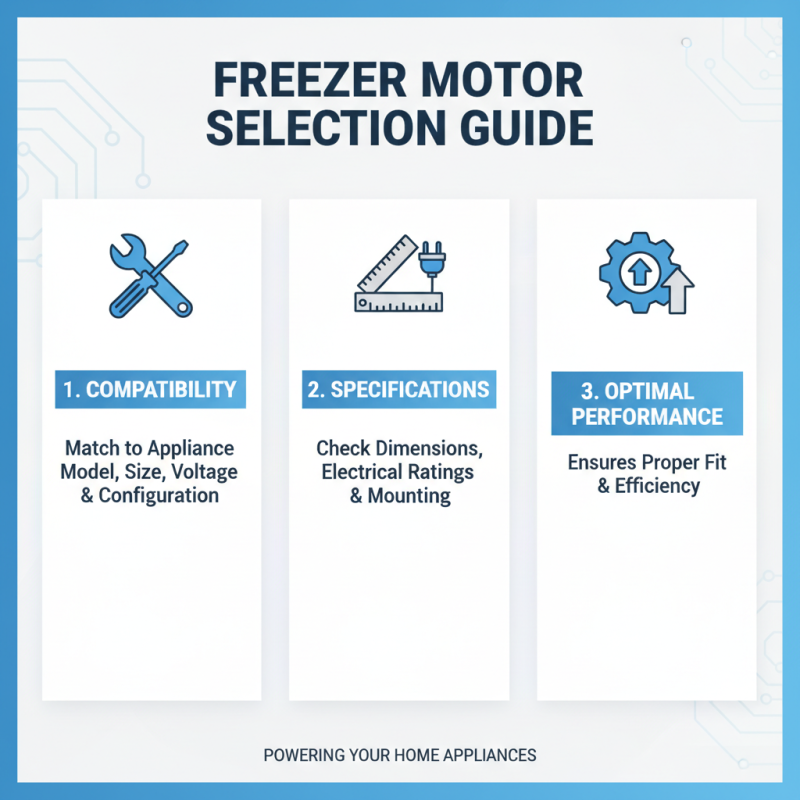
When selecting the right freezer motor for your home appliance, one of the most crucial factors to consider is its compatibility with your existing appliance setup. Freezer motors come in various sizes, voltages, and configurations, and it’s essential to choose one that aligns with your specific model and requirements. Before making a purchase, carefully examine the specifications of your current freezer motor, including dimensions, electrical ratings, and mounting designs. This not only ensures proper fit but also optimal performance.
In addition to physical compatibility, it is vital to assess the power needs of your existing freezer system. Different motors have varying energy consumption levels, and selecting a motor that operates efficiently within your appliance design can lead to better energy savings and reduced operational costs. Consider consulting the appliance’s manual, or reaching out to a knowledgeable technician if you’re unsure about the appropriate specifications. This focus on compatibility will help in extending the lifespan of your appliance, ensuring it runs smoothly while meeting your freezing needs.
Maintenance Tips for Prolonging Freezer Motor Life
To prolong the life of your freezer motor, regular maintenance is essential. One of the most effective practices is to ensure that the motor's surroundings remain clean and unobstructed.
Dust and debris can accumulate on the motor, leading to overheating and reduced efficiency. Regularly inspect the area around the motor and clean it using a vacuum or a damp cloth to prevent any buildup.
Additionally, make sure that the ventilation is adequate, allowing the motor to dissipate heat effectively.
Another critical aspect of maintenance is monitoring the temperature settings. An excessively low temperature can put undue strain on the motor,
causing it to work harder than necessary. Adjust the thermostat to an optimal setting, typically around 0°F (-18°C) for freezers, to maintain efficiency while safeguarding the motor’s health.
Lastly, consider scheduling professional check-ups periodically. A technician can perform detailed inspections and maintenance, identifying potential issues early on and ensuring that your freezer motor remains in excellent working condition for years to come.



 Email
Email Whatsapp
 WeChat