Best HVAC Blower Motor Types and How to Choose One?
Choosing the right HVAC blower motor can significantly impact your home's comfort and energy efficiency. John Smith, a leading HVAC expert, once said, "A well-chosen blower motor is crucial for optimal system performance." Understanding the various types can help you make an informed decision.
There are several HVAC blower motor types, each designed for specific applications. Some are efficient, while others might require more maintenance. This realization can lead to confusion when selecting the best option. You may question your choices based on functionality, noise levels, or energy consumption. The right information is vital.
Deciphering the best HVAC blower motor for your needs means considering your specific environment. Factors like size, design, and usage frequency matter. Often, homeowners overlook these details. A well-informed choice now can prevent costly mistakes in the future.
Overview of HVAC Blower Motors and Their Importance
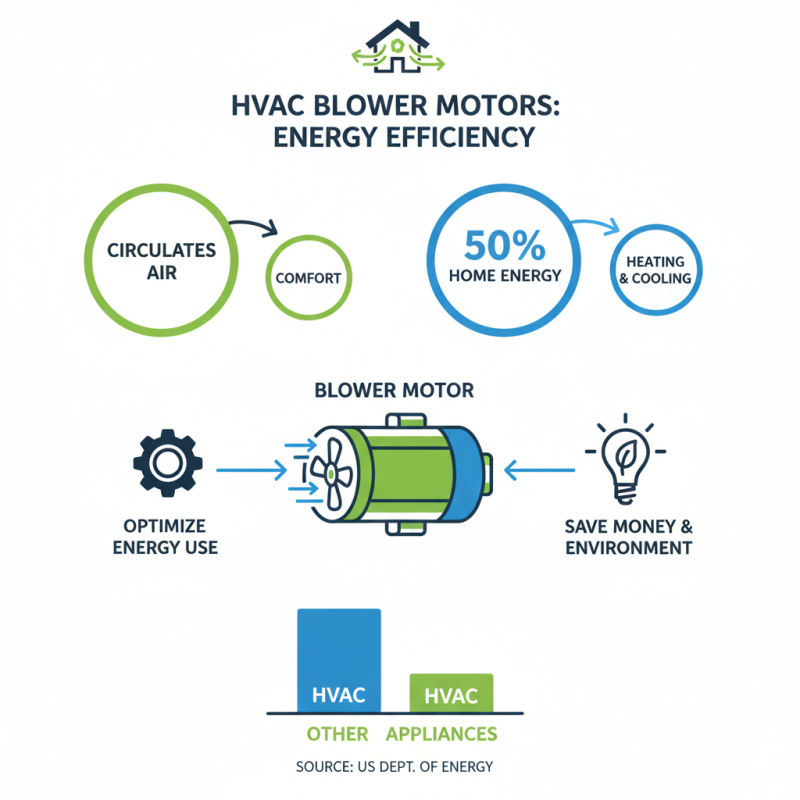
HVAC blower motors are essential components in heating, ventilation, and air conditioning systems. They help circulate air throughout a building, ensuring comfortable temperatures year-round. According to the U.S. Department of Energy, nearly 50% of energy usage in homes is attributed to heating and cooling. Thus, understanding blower motors is crucial for optimizing energy efficiency.
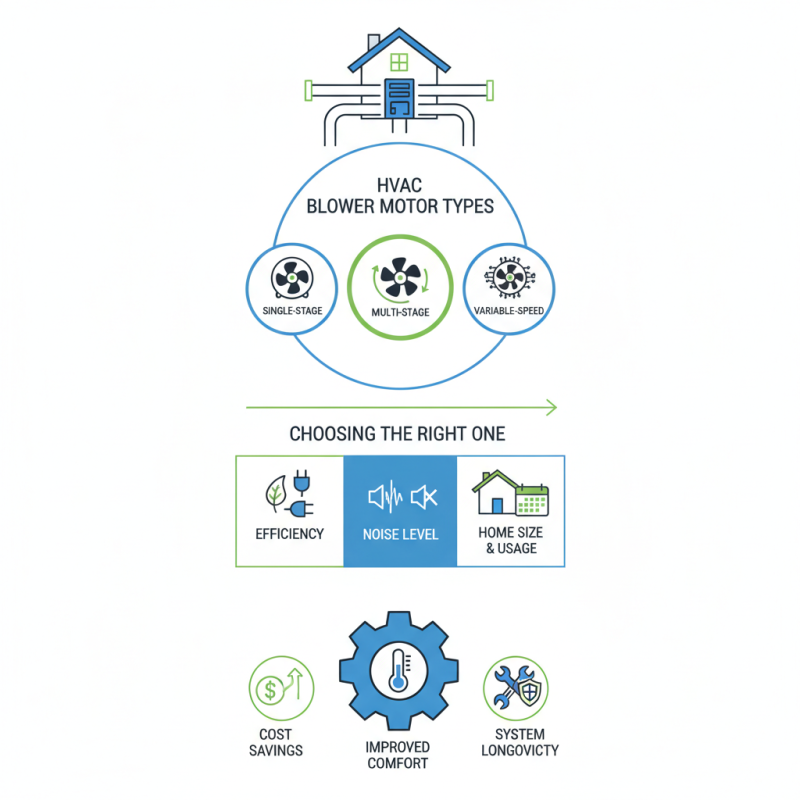
Different types of blower motors exist, including PSC, ECM, and shaded pole motors. Permanent split capacitors (PSC) are common for their cost-effectiveness but might be less efficient. Electronically commutated motors (ECM), on the other hand, are more efficient and adaptable but may come with a higher initial cost. Shaded pole motors offer simplicity but lack energy efficiency. Not all systems need the most advanced motor.
Choosing the right blower motor can significantly impact the system's performance. Factors such as size, power consumption, and noise levels matter a lot. Some motors can be quite noisy, which could affect comfort. Meeting specific building requirements may not always align with these options. It's important to weigh your choices carefully. Lack of proper research could lead to poor decisions, ultimately increasing energy costs.
Types of Blower Motors: Understanding Different Options Available
Blower motors play a crucial role in HVAC systems. They drive air circulation, ensuring efficient heating and cooling. Various types of blower motors are available, each with unique features and benefits. Understanding these options is vital for a proper selection.
One common type is the PSC (Permanent Split Capacitor) motor. This motor is energy-efficient but can lack power under heavy loads. According to a 2021 report by the Department of Energy, PSC motors can consume up to 15% less energy compared to traditional designs. Another option is the ECM (Electronically Commutated Motor). This motor provides variable speed control and operates quietly. Studies suggest that ECMs can increase efficiency by up to 30%, making them an ideal choice for modern HVAC systems.
However, selecting the right motor is not always straightforward. Factors such as the system's specific demands, the size of the space, and the desired airflow must be considered. A poorly matched motor can lead to inefficiencies and higher energy costs. It's also important to note that installation errors can affect performance, leading to frustration and increased maintenance needs over time. Careful evaluation is essential to avoid these pitfalls.
Types of HVAC Blower Motors and Their Popularity
Key Factors to Consider When Choosing an HVAC Blower Motor
When selecting an HVAC blower motor, several essential factors come into play. The motor type, such as PSC (Permanent Split Capacitor) or ECM (Electronically Commutated Motor), significantly affects efficiency and performance. According to the U.S. Department of Energy, ECM motors can save homeowners between 30% and 50% on energy costs compared to standard motors. This consideration can lead to substantial savings over time, making it a critical factor in your choice.
The size of the blower motor is another key element. A motor that is too small may not circulate air effectively, leading to inadequate heating or cooling. Conversely, an oversized motor can lead to increased wear and tear, raising maintenance costs. Industry studies suggest that properly sizing your HVAC system can improve energy efficiency by up to 20%. Pay attention to CFM (Cubic Feet per Minute) ratings when matching the motor to the system.
Noise levels are also important. Some motors operate quietly, while others produce more sound. This aspect can affect the comfort of your living spaces. Additionally, consider installation requirements. Certain motors may necessitate specific wiring or mounting configurations, which can complicate installation. Reflecting on these factors can help ensure you select a blower motor that meets your needs while providing optimal performance.
Best HVAC Blower Motor Types and How to Choose One? - Key Factors to Consider When Choosing an HVAC Blower Motor
| Blower Motor Type |
Efficiency |
Noise Level |
Lifespan |
Cost |
| Single Speed |
Moderate |
High |
10-15 years |
$100-$300 |
| Multi Speed |
High |
Moderate |
10-20 years |
$200-$500 |
| Variable Speed |
Very High |
Low |
15-25 years |
$400-$800 |
| EC Motor |
Very High |
Very Low |
20+ years |
$500-$1200 |
Comparative Analysis of Performance and Efficiency in Blower Motors
When analyzing blower motors, performance and efficiency are key factors. Different types of motors exist, each with unique characteristics. For instance, direct current (DC) motors are noted for their energy efficiency. They adjust their speed based on system demands, promoting energy savings. However, their initial cost can be a drawback for some users.
Alternating current (AC) motors, on the other hand, are widely used due to their lower upfront costs. They typically operate at a constant speed, which can lead to energy wastage. While AC motors are reliable, users must consider the trade-off between performance and efficiency. A more efficient motor may cost more upfront but save money in the long run.
Installation and maintenance also play significant roles in overall efficiency. Proper installation can enhance the motor's performance significantly. Users sometimes overlook this aspect, leading to inefficiencies. Regular maintenance checks are necessary to ensure optimal operation. Finding the right balance between initial investment and long-term savings is crucial for anyone looking to choose a blower motor.
Installation and Maintenance Tips for HVAC Blower Motors
When it comes to HVAC blower motors, proper installation is key.
Ensure the workspace is clean and organized. Before you begin,
turn off all power sources. This prevents accidents and ensures safety during the installation process.
Use the appropriate tools for the job. Each motor may require different equipment, so check the specific requirements.
After installation, regular maintenance is essential.
Dust and debris can accumulate over time, affecting performance.
Schedule seasonal cleanings to keep everything running smoothly.
Check the wiring connections and ensure they are secure.
Look out for unusual noises or vibrations while the system runs. These can be signs of underlying issues.
Don’t forget to consult the manual for specific maintenance guidelines.
Ignoring the small details can lead to bigger problems later. It's important to stay proactive rather than reactive.
Every HVAC system has its quirks,
and understanding them can save time and money in the long run.
Regular attention to your blower motor will enhance efficiency and prolong its life.



 Email
Email Whatsapp
 WeChat